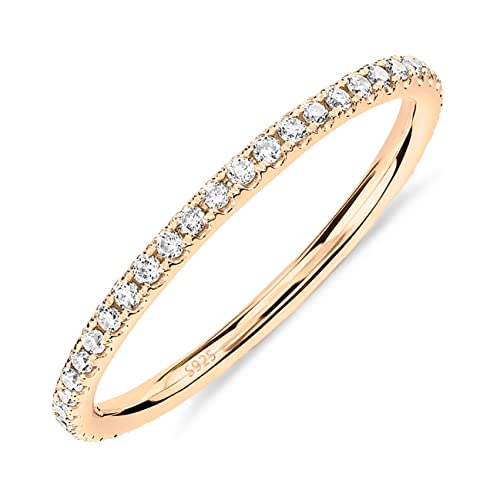
Wedding Band Rings: Find Your Forever Band
"The ring you will wear every single day. Learn how to choose a wedding band that fits your style, your life, and your love story."
A wedding band ring is more than a piece of jewelry. It is the one item you will wear every single day for the rest of your life. Unlike an engagement ring that may come out for certain occasions, your wedding band stays with you through work, workouts, travel, and everything in between. That makes choosing the right one a decision worth researching carefully.
Whether you are shopping for a women's wedding band, a men's gold wedding band, or a matching his and hers set, this guide walks you through every decision you will face. From metal selection to style, fit, and long-term care, you will finish this page ready to make a confident purchase.
Understanding the Wedding Band Ring
The wedding band ring is exchanged during the ceremony and symbolizes the commitment you make to one another. While traditions vary across cultures, the most common practice in Western weddings is to wear the band on the ring finger of the left hand, directly below the engagement ring. If you are unsure about placement, our guide on what finger your wedding band goes on explains the traditions and modern variations in detail.
A wedding band is typically a plain or lightly embellished ring, distinct from an engagement ring which usually features a prominent center stone. However, modern design has blurred these lines considerably. Many couples now choose wedding bands with diamonds, gemstones, or intricate metalwork. The key distinction is function: the wedding band is designed for daily, lifelong wear, which places a premium on durability and comfort.
Why this matters for your purchase: Because you will wear this ring constantly, prioritize comfort fit, a durable metal, and a style that will not snag on clothing or feel dated in a decade. Trendy designs can be beautiful, but a classic silhouette tends to age better over a lifetime of wear.
Choosing Your Metal: A Complete Comparison
The metal you choose affects the ring's appearance, weight, durability, and how easy it is to resize. There is no single best metal. The right choice depends on your lifestyle, skin sensitivity, and aesthetic preferences. Here is a practical comparison of the most common options.
| Metal | Characteristics | Durability & Care | Best For |
|---|---|---|---|
| Yellow Gold | Classic warmth, timeless appeal, easy to resize and polish. Available in 10K, 14K, and 18K. | Soft enough to resize easily. Requires periodic polishing to restore shine. | Traditionalists and anyone who loves a warm, classic look. See our gold wedding band guide. |
| White Gold | Crisp, modern appearance. Often rhodium-plated for extra brightness. Matches most engagement rings. | Rhodium plating wears over time and needs re-plating periodically to maintain color. | Those pairing with a white gold or platinum engagement ring. Explore white gold bands for him. |
| Platinum | Dense, luxurious, naturally white. Hypoallergenic and highly scratch-resistant over time. | Develops a patina with age, which many love. Resizable by a skilled jeweler. | Premium and luxury shoppers who want a heirloom-quality ring. |
| Sterling Silver | Affordable, bright, and versatile. A popular entry-level choice. | Softer metal; prone to tarnish and scratching. Requires regular cleaning. | Budget-conscious couples or those wanting a stylish alternative band. See sterling silver as a wedding band. |
| Titanium & Tungsten | Extremely lightweight (titanium) or heavy and scratch-resistant (tungsten). Modern, industrial aesthetic. | Very durable but generally cannot be resized. Must be sized correctly at purchase. | Active lifestyles and men who prefer modern metals. Compare titanium rings and tungsten carbide rings. |
If you or your partner have sensitive skin, platinum and titanium are generally the safest choices. Sterling silver and some gold alloys can cause reactions in people with metal allergies. For a deeper look at metal options for men, see our guides on stainless steel bands and tungsten wedding bands for him.
Wedding Band Styles for Every Taste
Style is where your personality shines. The good news is that the market offers a style for virtually every aesthetic, from ultra-minimalist to heavily embellished. Here are the main categories to consider.
Classic Plain Band
A simple, unadorned band in your chosen metal. This is the entry-level, timeless option that never goes out of style and works for any lifestyle. It is also the easiest to resize and maintain.
Comfort Fit Band
Rounded on the inside for a smoother feel against the finger. Mid-range in terms of comfort and a top choice for daily wear, especially for men who are new to wearing rings.
Diamond & Gemstone Bands
Eternity bands, half-eternity bands, and channel-set diamonds add sparkle. These premium styles require more careful maintenance but offer a luxurious look. See wedding bands with a diamond.
Textured & Engraved Bands
Brushed, hammered, milgrain, or laser-engraved finishes add character without stones. Mid-tier pricing and excellent for those who want something distinctive but durable.
Stackable & Thin Bands
Delicate bands designed to be worn in multiples or alongside an engagement ring. A popular modern trend. Explore stackable wedding rings.
Vintage & Antique Styles
Filigree, milgrain edges, and old-world detailing for a romantic, heirloom feel. See our guide to vintage antique wedding rings.
Matching Your Band to Your Engagement Ring
If you are buying a band for someone who already wears an engagement ring, fit is the most important consideration. A band that sits awkwardly against the engagement ring will be uncomfortable and may scratch the setting over time. There are three main approaches.
- Contoured or Curved Bands: These are shaped to wrap around the center stone of the engagement ring. They create a seamless, integrated look. This is the most popular choice for rings with a prominent center stone. If you have a marquise or emerald cut, see our specific guides on a band for a marquise ring and a band for an emerald cut ring.
- Straight Bands: A straight band sits flush against the engagement ring if the setting is low-profile. This is the classic approach and works well with solitaire engagement bands.
- Gap Bands: Intentionally designed with a small gap to accommodate a large center stone. This allows the band to sit flat on the finger without putting pressure on the engagement ring setting.
Many couples now purchase their engagement and wedding rings as a coordinated set. Explore wedding band and engagement ring sets and bridal ring sets if you want a perfectly matched pair from the start.
Practical Tip: Bring your engagement ring with you when shopping for a wedding band. Trying bands on alongside your actual ring is the only reliable way to confirm the fit and visual balance. Online shoppers should check the jeweler's return policy before ordering.
Fit, Comfort, and Sizing Essentials
Fit is often overlooked, yet it is the single biggest factor in whether you will enjoy wearing your ring every day. A ring that is too tight is uncomfortable and can be difficult to remove. A ring that is too loose may slip off and get lost.
- Get professionally sized. Finger size changes with temperature, time of day, and season. A jeweler can measure you accurately and account for these variations.
- Consider the width. Wider bands feel tighter than narrow bands of the same size. If you choose a wide band, you may need to size up slightly.
- Choose comfort fit for daily wear. The rounded interior of a comfort-fit band makes it easier to slide on and off and reduces friction.
- Remember resizing limitations. Alternative metals like tungsten cannot be resized. If you choose one, get the size right the first time.
- Think about your lifestyle. If you work with your hands or participate in sports, a lower-profile, snag-free design is safer.
His and Hers: Coordinating Without Matching
Matching wedding bands are a beautiful tradition, but identical rings are not for everyone. Modern couples often choose coordinated sets that share a metal or finish while differing in width and style. For example, a wider brushed band for him and a narrower polished band with a subtle diamond accent for her.
If you want a true matching set, explore his and hers wedding ring sets and his and hers wedding band sets. For a coordinated but distinct approach, consider gold and white gold combinations or mixed-metal pairings. You can also browse wedding band sets for men and women for curated options.
Care, Maintenance, and Longevity
Your wedding band will accumulate scratches, scuffs, and everyday grime. A little care keeps it looking its best for decades.
- Clean regularly. A soft toothbrush with mild soap and warm water is sufficient for most metals. Avoid harsh chemicals.
- Remove during harsh activities. Gardening, heavy lifting, and swimming in chlorinated pools can damage the finish or loosen stones.
- Schedule professional check-ups. For stone-set bands, have a jeweler check the prongs and settings annually to prevent stone loss.
- Store separately. Keep your band in a soft pouch or ring box to avoid scratches from other jewelry.
- Know your metal's needs. White gold requires periodic rhodium re-plating. Sterling silver needs tarnish removal. Platinum benefits from occasional professional polishing.
For those who want a band with extra sparkle, our guide to gold diamond wedding bands for men and sterling silver rings with cubic zirconia covers care considerations for stone-set designs.