Wedding Supplies: Your Complete Planning Guide
"Everything you need to know before you buy—from ceremony backdrops to reception accents—so every item works as hard as you do."
Wedding supplies are the physical building blocks of your celebration—the arches, linens, candles, signage, and stationery that turn an empty venue into a space that feels unmistakably yours. For couples in the research phase, the challenge is rarely a lack of options. It is knowing which items deserve a premium investment, which are perfectly fine at an entry-level tier, and which are simply not worth buying at all.
This guide walks through the supply categories that matter most, explains how to evaluate quality without relying on guesswork, and offers a practical framework for deciding between ready-made and DIY. By the end, you will have a clear shopping strategy rather than a scattered list of items.
The Essential Supply Categories
Most wedding supply purchases fall into five broad categories. Understanding them separately helps you allocate effort and attention where they will be most visible on the day.
Ceremony Backdrops & Arches
The visual anchor of your vows. Frames range from entry-level metal hoops to premium wooden arbors and luxury gold structures. This is the single most photographed supply item, so choose a frame that suits your venue's scale.
Florals & Greenery
Real blooms, high-quality artificial stems, and garlands. Florals soften hard edges, add fragrance, and tie your color palette together. The choice between fresh and artificial drives both logistics and longevity.
Tabletop & Linens
Tablecloths, runners, napkins, chargers, and centerpiece bases. These items cover the largest surface area at your reception and determine whether the room reads as casual, classic, or formal.
Lighting & Ambiance
Candles, string lights, lanterns, and uplighting. Lighting is the most cost-effective way to transform a space after dark, and it photographs beautifully in evening portraits.
Stationery & Signage
Invitations, menus, place cards, welcome signs, and table numbers. Stationery sets expectations before the event, while signage guides guests smoothly through the day.
Guest Experience Items
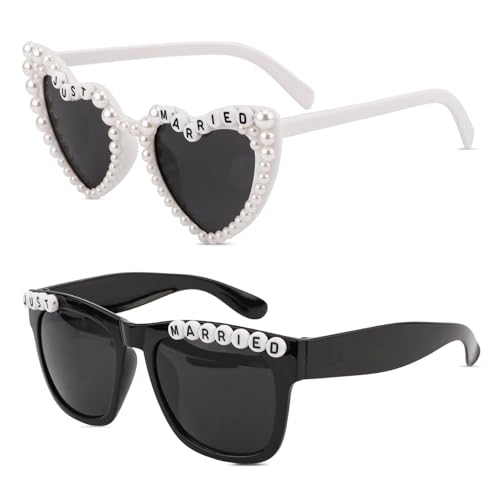
Favors, card boxes, guest books, and photo booth props. These are the small touches guests interact with directly, so quality matters more than quantity.
Planning note: If you are still building your overall roadmap, pair this supply guide with a structured wedding planning checklist so purchases align with the correct phase of your timeline.
Ceremony Supplies That Set the Scene
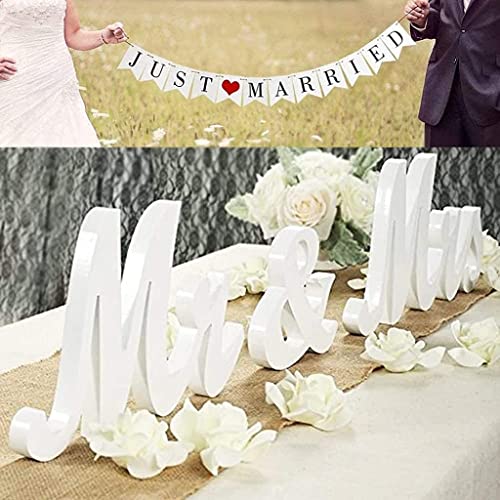
The ceremony is where the majority of your formal photographs are taken, which means the supplies here deserve early attention. An arch or backdrop defines the frame around every vow exchange and first kiss. If your venue already offers a striking architectural feature, you may not need one at all—but in open fields, ballrooms, and beach settings, a backdrop gives the ceremony a defined focal point and prevents wide shots from feeling empty.
Aisle decor is the next layer. Simple arrangements along the aisle—petals, lanterns, or small floral clusters—guide the eye toward the altar and create depth in photographs. If you plan to repurpose ceremony florals at the reception, choose arrangements that can be moved easily and will not wilt between events.
For couples who want a cohesive look from ceremony to reception, matching signage and stationery help. A welcome sign, program display, and seating chart can all be produced as a single coordinated set, which is often more economical than sourcing each piece separately.
What to Prioritize in Ceremony Supplies
- The backdrop frame: Choose a structure that matches your venue's scale. A mid-range wooden arbor suits rustic settings, while a premium gold frame reads as formal and luxurious.
- Greenery garlands: High-quality artificial garlands are a reliable choice for outdoor ceremonies because they hold their shape in heat and can be arranged the night before.
- Aisle markers: Entry-level options like petals and simple lanterns are perfectly effective and easy to set up without professional help.
- Coordinated stationery: Program and welcome signage should be weather-resistant if your ceremony is outdoors.
If you are still deciding on the overall aesthetic of the ceremony, our guide to wedding decor ideas offers style directions that translate directly into a supply list.
Reception Supplies and Tabletop Decor
The reception involves the largest number of individual supply items, and it is where budget discipline matters most. Table linens, runners, and napkins cover the greatest surface area, so their color and texture dictate the room's overall impression before guests notice any centerpiece detail.
Centerpieces are the most flexible category. A mid-tier approach might pair simple glass vessels with greenery and candles, while a premium approach layers floral arrangements, metallic chargers, and printed menus. The key insight is that repetition creates impact: ten identical, well-chosen centerpieces look more intentional than ten different arrangements.
Lighting supplies deserve their own line item. Candles in varying heights, string lights over a dance floor, or lanterns along pathways all create atmosphere that flat overhead lighting cannot replicate. Battery-operated candles are a practical entry-level choice for venues that restrict open flames, while high-end pillar candles suit formal ballrooms.
For tabletop inspiration that works across tiers, explore our collection of wedding table centerpiece ideas. If you are planning a specific season or palette, narrowing your supplies to a defined color story—such as a coordinated set of winter wedding decor—makes shopping faster and the final room more cohesive.
Practical tip: Order one sample of any linen, napkin, or charger before committing to a full set. Colors read differently in venue lighting than they do on a screen, and returning bulk orders is rarely simple.
Buy vs. DIY: A Practical Framework
The buy-versus-DIY decision is often framed as a budget question, but it is really a question of labor, skill, and time. A useful rule: if a supply item requires specialized tools or precise assembly, buy it ready-made. If it is simple, high-volume, and personal, DIY it.
Better to Buy Ready-Made
Floral garlands, structured backdrops, pre-assembled centerpiece kits, printed invitations, and tailored linens. These items benefit from professional assembly and are difficult to replicate at home without visible seams or imbalance.
Well-Suited to DIY
Table numbers, place cards, ribbon accents, simple signage, and favor packaging. These are low-risk, high-personality items where a personal hand adds charm and the labor is manageable with a small team.
There is also a middle path: buy a bare frame and decorate it yourself. This hybrid approach is common for arches, where the structural frame is purchased from a mid-range supplier and the florals are added by the couple or a helper. It captures the savings of DIY without the risk of building a structure from scratch.
Whichever path you choose, keep a shared inventory list so you do not double-purchase items like zip ties, floral wire, or tape. Small consumables are the most frequently forgotten supplies and the most annoying to source at the last minute.
Understanding Quality Tiers
Because wedding supplies vary enormously in construction and finish, it helps to think in tiers rather than specific products. The descriptors below are used consistently throughout this guide and are based on relative market positioning, not on any fixed figure.
Entry-Level / Budget-Friendly
Functional, lightweight, and best suited to items that are not closely photographed or handled frequently. Ideal for aisle markers, favor packaging, and disposable table accents.
Mid-Range / Mid-Tier
The practical sweet spot for most couples. Mid-tier supplies typically offer sturdier frames, better fabric weight, and more refined finishes than entry-level options, while remaining accessible for large quantity orders.
Premium / High-End
Heavier construction, refined detailing, and materials that photograph especially well. Premium supplies make sense for focal items: the ceremony backdrop, the head table, and any piece that appears in close-up portraits.
Luxury / Top-Tier
Reserved for statement pieces where craftsmanship is the point—ornate metal frames, custom-printed linens, and designer stationery suites. Luxury supplies are chosen for visual impact rather than volume.
A sound strategy is to concentrate your highest tier on the two or three items guests and photographers will look at most, and to keep everything else at a mid-tier or entry-level position. This produces a room that reads as polished without requiring every item to be top-tier.
Smart Buying Checklist
Before you place any order, run through the following checks. They prevent the most common supply mistakes: overbuying, mismatched finishes, and last-minute substitutions.
- Measure the space first. Backdrop width, table dimensions, and aisle length determine quantity. Guessing leads to returns.
- Confirm the finish. Gold tones vary between suppliers. If you are mixing metals, order samples from each source and compare them side by side.
- Check assembly requirements. Some frames require tools or two people. Confirm this before the setup day, not during it.
- Plan for storage and transport. Large items need a vehicle and a staging area. Collapsible frames are far easier to manage than fixed structures.
- Buy consumables in slight excess. Zip ties, floral wire, tape, and extra candles are inexpensive to add and frustrating to run out of.
- Keep receipts and packaging. Returns are simpler when original packaging is intact, especially for linens and stationery.
If your supply list is growing faster than your plan, revisit your broader wedding planning priorities to confirm which items are truly essential and which can be simplified. Couples who are coordinating many vendors may also benefit from understanding the difference between a wedding planner and a coordinator, since setup logistics often fall to one of them.