
The Ultimate Wedding Planning Blueprint
"Your clear, step-by-step guide to orchestrating a flawless celebration without the overwhelm."
Planning a wedding is much like directing a major production—hundreds of moving parts, dozens of key players, and one shot to get it right. Without a structured plan, couples can easily find themselves stressed, over budget, and overwhelmed. This blueprint breaks down the entire process into a logical, chronological order, revealing the exact steps professional planners use to produce a seamless, stunning event. Whether you have 18 months or 6 months to plan, this guide will keep you on track.
Before we dive into the details, bookmark our comprehensive 12-month wedding checklist—it's the best companion to this guide and ensures no task is forgotten. Many couples also find it useful to build a custom wedding website early in the process to communicate details and collect RSVPs digitally.
Step 1: Establish a Realistic Budget & Draft the Guest List

Before you fall in love with a $10,000 floral arch or a designer gown, you must determine your total spending limit. This conversation should involve you, your partner, and any family members who plan to contribute. Understanding who pays for what according to tradition (and modern reality) prevents awkward financial surprises later.
Immediately after the budget, write your initial guest list. The number of guests is the single biggest multiplier of your budget. A guest count of 80 versus 180 changes the venue size, catering cost, rental needs, and even the number of centerpieces. Managing the wedding guest list is both an art and a science—you'll need to navigate family politics and venue capacity limits. For those considering an intimate affair, our guide on how to plan a micro-wedding offers a beautiful alternative that can dramatically reduce costs.
💡 The Pro Tip: Divide your total budget by the number of guests. This gives you the "cost per head." For a mid-range wedding in the US, this often falls between $250 and $450 per guest. If your per-head cost is too high, you either need to cut the guest list or explore inexpensive places to have a wedding.
Once you have a preliminary budget, read our detailed wedding budget breakdown guide to see the recommended percentage allocation for each category. And don't forget to brainstorm a unique wedding hashtag—it's a fun, modern way for guests to share photos of your journey from engagement to the big day.
Average Wedding Budget Allocation Breakdown
| Expense Category | % of Budget | Typical Cost Range |
|---|---|---|
| Venue & Catering | 40% - 50% | $12,000 - $25,000 |
| Photography & Videography | 10% - 12% | $3,000 - $8,000 |
| Attire & Beauty | 7% - 10% | $2,000 - $6,000 |
| Florals & Decor | 8% - 10% | $2,500 - $7,000 |
| Music & Entertainment | 5% - 8% | $1,500 - $5,000 |
| Stationery & Invitations | 2% - 3% | $600 - $1,800 |
| Wedding Rings | 2% - 3% | $800 - $3,500 |
| Transportation & Accommodation | 2% - 3% | $700 - $2,500 |
| Contingency Fund | 5% - 10% | $1,500 - $5,000 |
Step 2: Choose the Venue & Lock Down the Date
The venue is the heart of your wedding's logistics. It dictates the date availability, the aesthetic, the capacity, and often the list of preferred vendors you must work with. Popular venues book 12 to 16 months in advance, so this is the first major contract you should sign. Before you tour, prepare a list of essential questions to ask your venue to avoid hidden fees.
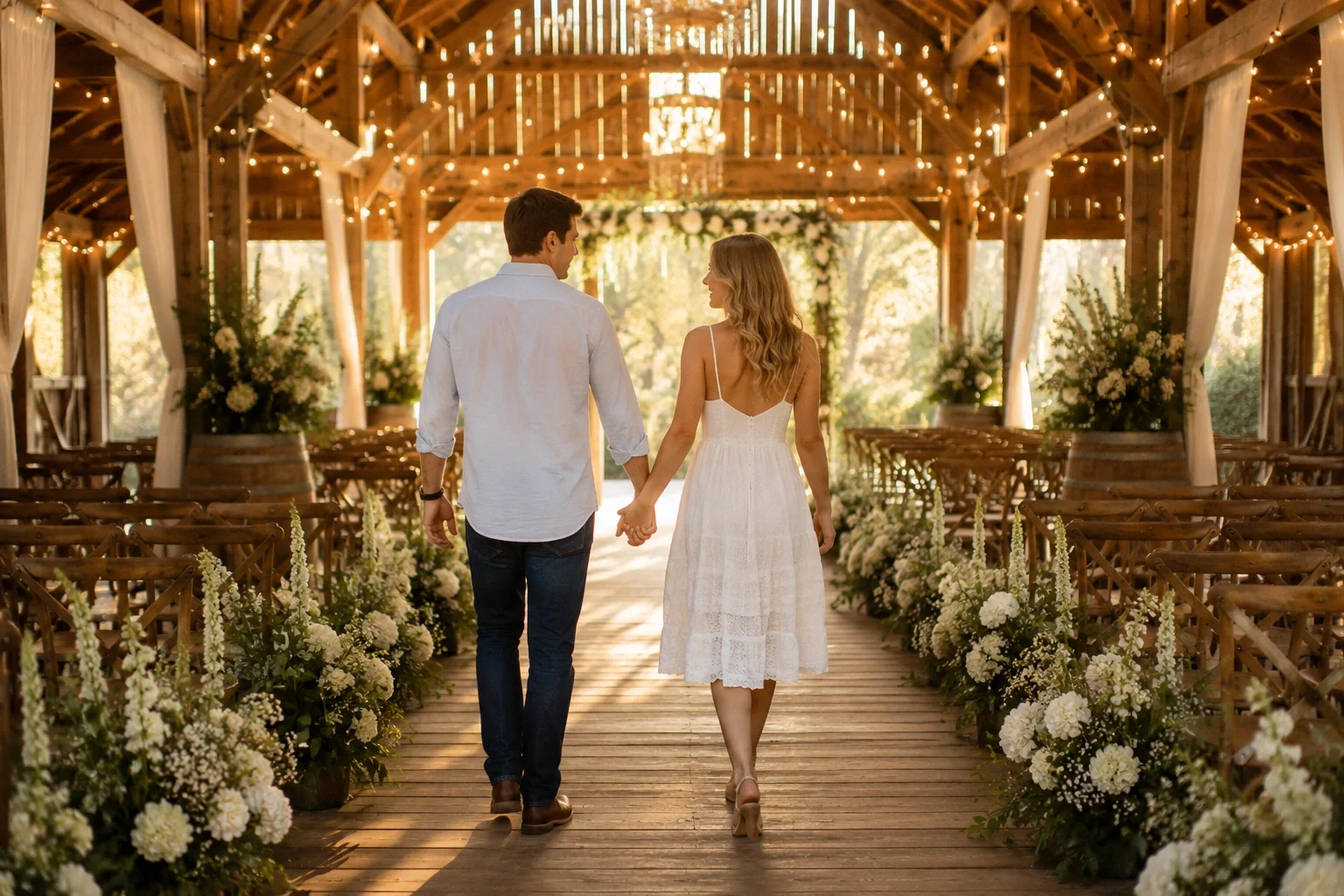
What style fits you? A romantic garden wedding venue filled with natural blooms, a rustic barn setting with string lights, or a sleek ballroom for a black-tie affair? For adventurous couples, exploring destination wedding locations can combine the ceremony and honeymoon into one grand experience. If you're dreaming of a laid-back celebration, start with our list of the best beach wedding venues.
Always ask about the weather backup plan. If you are eyeing an outdoor place to have a wedding, ensure there is a solid contingency for rain or wind. A transparent venue contract review is crucial before you sign anything. And don't forget to do a thorough venue visit checklist when touring each option.
Step 3: Assemble Your Vendor Dream Team
With the date and venue secured, it's time to lock in the talent that will capture, feed, and entertain your guests. The best vendors book up quickly, sometimes 12 months out. As you build your team, you'll also want to research the legalities—check your state's marriage license requirements and consider whether wedding insurance is right for your event. And after the "I dos," don't forget the paperwork: our name change checklist walks you through updating your Social Security card, passport, and driver's license.
- Photographer & Videographer: Your memories depend on them. Understand the differences in wedding photography styles before interviewing. If you have a tight budget, see our tips on balancing the photo vs. video budget.
- Caterer & Cake Designer: Food is what guests remember most. Arrange a tasting early, and consider how to handle dietary restrictions gracefully. Don't miss the cake tasting tips before you select your dessert. For the full picture, see our complete wedding cake guide and wedding menu ideas.
- Florist & Decor Team: Whether you want a lavish wedding arch statement or minimalist DIY affordable centerpieces, your florist helps set the visual tone. Learn how to choose a florist and the right questions to ask your florist.
- Music & Entertainment: The right soundtrack keeps the energy flowing. Compare the pros and cons in our live band vs. DJ comparison and make sure you ask the right questions for your DJ before booking.
Many couples wonder if they should hire a professional to manage these contracts. If you're asking yourself "do I need a wedding planner?", the answer depends on your budget, time, and stress tolerance. The debate between a wedding planner vs. coordinator is essential; a full-service planner saves you hours of research, while a day-of coordinator ensures your own plan executes perfectly on the day. Always review vendor contract tips before signing anything.
Step 4: Design Your Decor & Attire
This is the visual phase where the wedding starts to feel real. Your chosen palette will influence everything from the bridesmaid proposal boxes to the tablecloths and runners. Begin with your ceremony backdrop—stunning aisle decor and a statement arch create the focal point for your vows. For evening receptions, strategic wedding lighting transforms a raw space into a magical ballroom. Explore curated themes like romantic boho wedding ideas, rustic wedding decor, modern minimalist weddings, or timeless classic weddings.
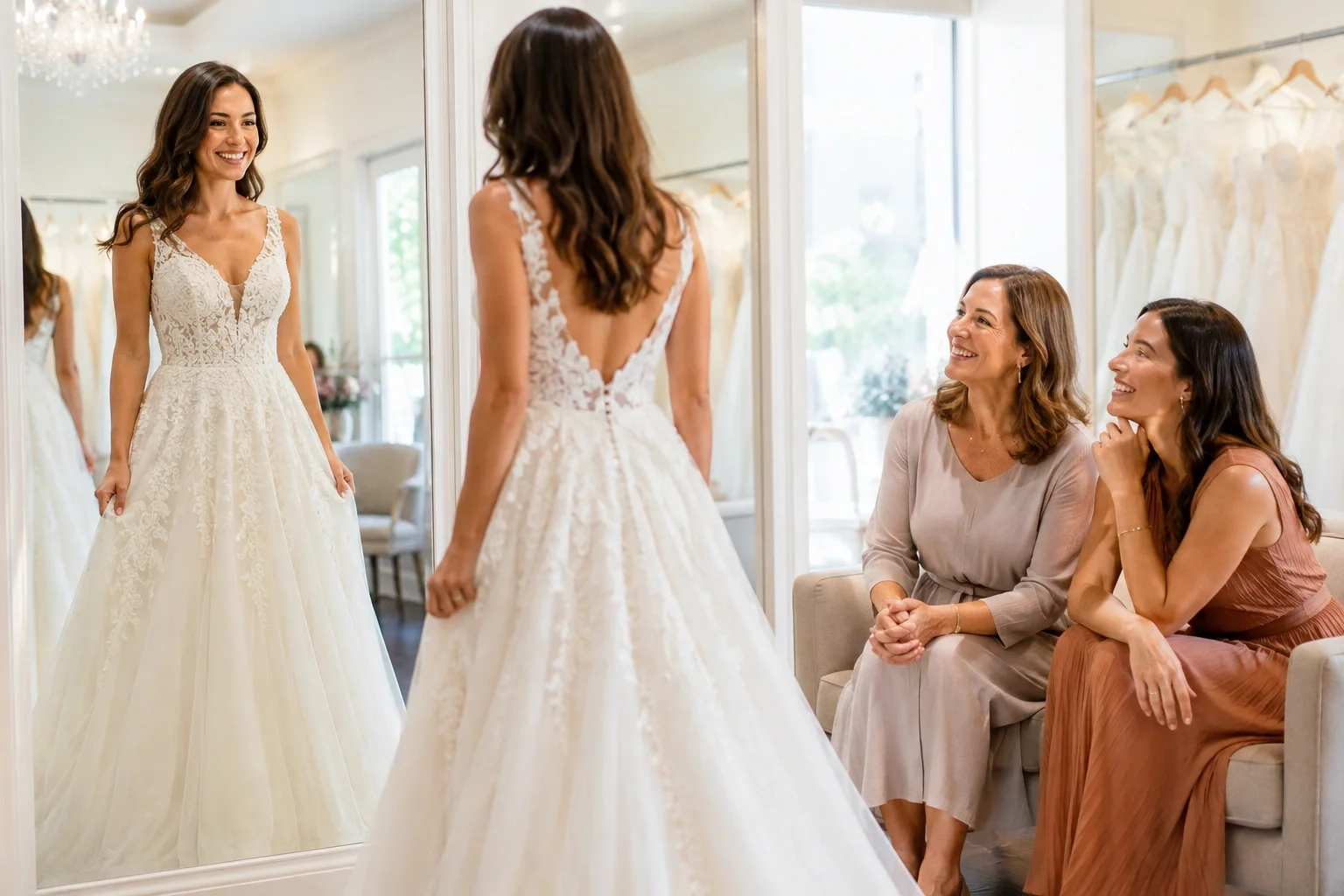
Your attire shopping should start 9-11 months out. Visit our guide on how to choose your wedding dress and explore the latest wedding dress trends. Don't forget the finishing touches like comfortable wedding shoes, veils and headpieces, and stunning bridal jewelry.
For the groom, the choice between a classic suit vs. tuxedo sets the formality. Complete the look with the right groom accessories, groom shoes, and a tailored custom suit or off-the-rack option. For the bridal party, coordinate matching groomsmen attire and groomsmen attire etiquette.
Beauty prep is equally important. Plan your bridal hair styles and bridal makeup looks with trial runs months in advance. Follow a dedicated wedding day skincare prep routine, and don't let the groom skip his groom grooming guide. For those wanting to feel their absolute best, a bridal fitness and wellness plan can boost confidence on the big day.
Step 5: Finalize Logistics & the Day-Of Timeline
The final two months are about detailed logistics. Finalize your seating chart using your creative table number ideas and place cards. Send out your invites—make sure you've nailed the wedding invitation wording. A master wedding day-of timeline should be created and distributed to every vendor, the bridal party, and key family members a week in advance. This document dictates the flow from the first hair appointment to the grand exit.
Think through every moment: plan your first look photo ideas and schedule portraits during golden hour for the most magical light. Prepare a wedding photo checklist for your photographer to ensure no shot is missed. For the reception, consider adding fun elements like photo booth ideas with photo booth props, wedding games, and a signature cocktail that reflects your personality. Understand wedding toast etiquette to keep speeches heartfelt but concise.
For couples seeking a more intimate celebration, the modern elopement guide provides a stress-free path to a deeply personal ceremony. Alternatively, if you're jet-setting, planning destination weddings requires specific etiquette for guest travel and accommodation blocks. For budget-conscious couples, check out our lists of small places to have a wedding and inexpensive places to have a wedding.
Final Month Essentials:
• Confirm final headcount with your caterer 2 weeks out
• Create and print menu cards and any last-minute wedding signage
• Pick up your marriage license (mind the waiting period!)
• Prepare thank you cards in advance for gifts received before the wedding
• Pack an bridal emergency kit with safety pins, stain remover, and blister pads
• Create a detailed day-of timeline and share with all vendors
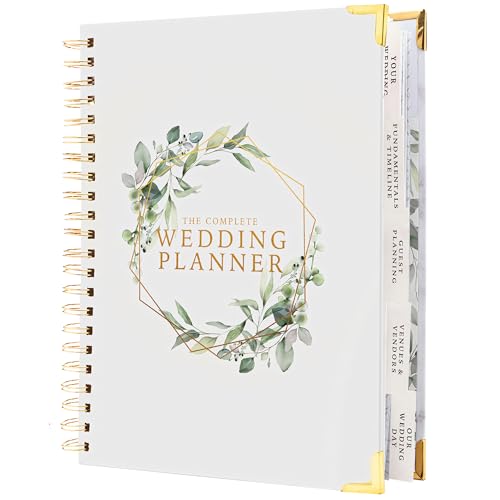
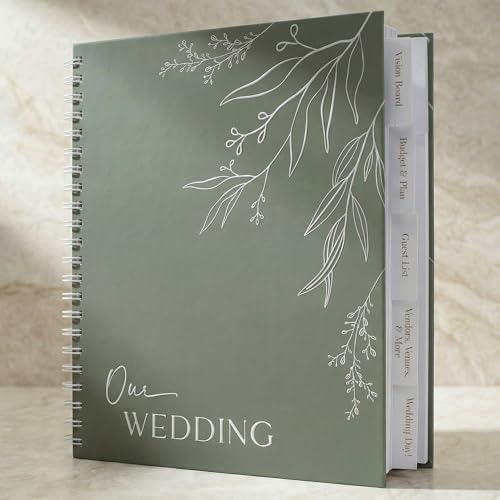
![The Knot Ultimate Wedding Planner and Organizer, Revised and Updated [binder]: Worksheets, Checklists, Inspiration, Calendars, and Pockets](https://m.media-amazon.com/images/I/41nByDGUAsL._SL500_.jpg)
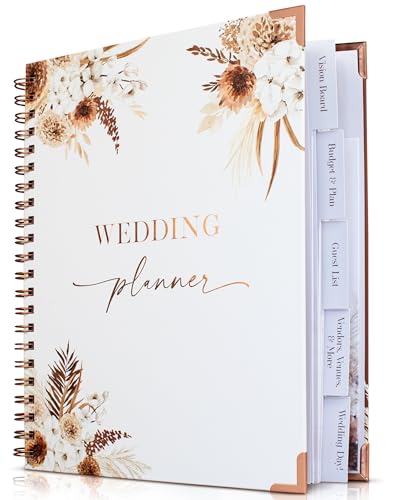

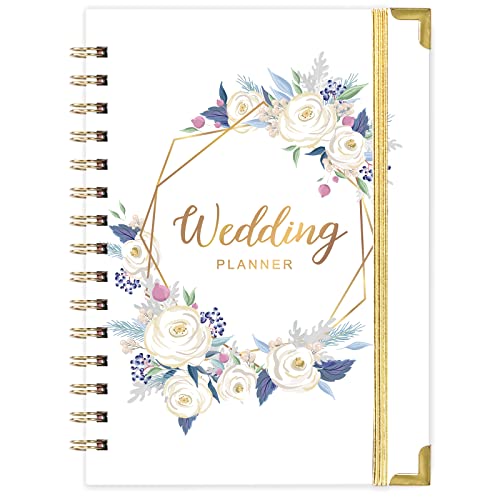
![The Knot Ultimate Wedding Planner [Revised Edition]: Worksheets, Checklists, Etiquette, Timelines, and Answers to Frequently Asked Questions](https://m.media-amazon.com/images/I/51EyAifvm6L._SL500_.jpg)
