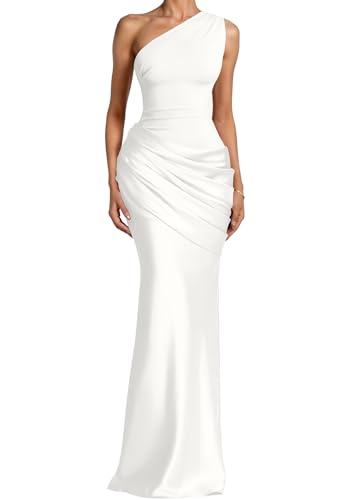
How to Choose a Wedding Dress: The Ultimate Silhouette & Style Guide
"Your dream gown exists. Learn exactly how to find the silhouette, neckline, and fabric that makes you feel radiant on your wedding day."
Your wedding dress is the most photographed outfit you will ever wear. It represents your personal style and becomes a cherished heirloom. But with thousands of options—from lace mermaids to minimalist sheaths—the process can feel overwhelming. This comprehensive guide breaks down everything you need to know: silhouettes that flatter your body, necklines that elongate your frame, fabrics that photograph beautifully, and a realistic budget breakdown. By the end, you will walk into any bridal boutique feeling confident and prepared.
When to Start Shopping: The 9–12 Month Timeline
💡 The Golden Rule: Begin shopping 9 to 12 months before your wedding. Most designer gowns are made to order and take 4–6 months for production. Then schedule 1–2 months for alterations. Rushing leads to compromise—and you deserve the perfect dress.
If your wedding is sooner than 6 months away, don't panic. Many brands offer "off-the-rack" options or sample sales. Stores like BHLDN, ASOS Bridal, and even affordable online retailers ship ready-to-wear gowns within 1 to 2 weeks. Just be prepared to find a local seamstress who can work quickly (allow at least 3 weeks for rush alterations).
The 5 Most Flattering Wedding Dress Silhouettes
Your silhouette is the foundation of your look. Here is how each style flatters different body types, along with typical price ranges for quality gowns.
🎀 A-Line
Fitted at the bodice and gently flares from the waist to the floor. Universally flattering. Perfect for pear shapes, petites, and anyone wanting a timeless, romantic look.
$1,200–$2,800👑 Ball Gown
Fitted bodice with a dramatic, full skirt. Ideal for pear and hourglass figures. Creates a fairy-tale, red-carpet entrance. Requires more space (great for ballrooms or churches).
$1,500–$4,000🐚 Mermaid / Trumpet
Fitted through the bodice, hips, and thighs, flaring out at or below the knee. Best for hourglass and athletic body types. Not recommended for pear shapes unless tailored expertly.
$1,400–$3,500📏 Sheath / Column
Follows the body's natural line without flaring. Sleek, modern, and elongating. Ideal for petites, athletic builds, and destination beach weddings. Often requires less fabric, so more affordable.
$800–$2,200✨ Fit-and-Flare
A hybrid between A-line and mermaid. Fitted through the bodice and hips, then flares around the upper thigh. More forgiving than mermaid but still curve-hugging.
$1,300–$3,000Pro Tip: The latest wedding dress trends include detachable overskirts (which transform a sheath into a ball gown for the ceremony) and two-in-one dresses. These give you two completely different looks for one price.
Necklines That Transform Your Look
Your neckline frames your face and décolletage. Choose based on your bust size, shoulder width, and personal comfort.
- V-Neck: Elongates the torso and flatters larger busts. Works on almost everyone.
- Sweetheart: Romantic and universally flattering. Enhances curves beautifully.
- Off-the-Shoulder: Elegant and on-trend. Best for brides with defined collarbones.
- High Neck / Turtleneck: Modern and modest. Ideal for winter weddings or sleek minimalist gowns.
- Square Neck: A vintage-inspired look that broadens narrow shoulders beautifully.
- Illusion (Lace or Tulle): Adds coverage while maintaining a sheer, romantic look. Great for modest brides.
Wedding Dress Fabrics Explained
The fabric dictates how your dress moves, drapes, and photographs. Here is what you need to know:
- Crepe: Heavy, matte, and structured. Perfect for sheath and minimalist gowns. Holds shape well.
- Chiffon: Lightweight, flowy, and semi-sheer. Ideal for destination or boho weddings.
- Lace: Romantic, textured, and timeless. Can be used as an overlay or all-over. Higher price point due to handwork.
- Satin: Glossy, heavy, and luxurious. Shows every wrinkle but photographs like a dream. Best for structured ball gowns.
- Tulle: Netting that creates volume. Used in ball gown skirts and overlays. Lightweight and affordable.
- Organza: Stiff and sheer. Holds volume well and creates a crisp, architectural look.
The Real Cost of a Wedding Dress: Beyond the Price Tag
💰 Honest Budget Breakdown: Average dress: $1,500–$2,500. Alterations: $400–$700. Preservation/Cleaning: $200–$400. Total investment: $2,100–$3,600. Set aside at least 15% of your total wedding budget for attire (dress + accessories + alterations).
Many brides forget alteration costs. Standard alterations include hemming (especially if you are shorter than the sample size), taking in or letting out the bodice, adding a bustle, and adjusting straps. Find a local seamstress who specializes in bridal gowns—avoid chain dry cleaners. If your budget is tight, consider pre-owned wedding dresses from sites like Stillwhite or Nearly Newlywed, where you can save 50–70% off retail.
7 Expert Tips for a Stress-Free Dress Shopping Experience
1. Do Your Research Before the Appointment
Save 15–20 photos of dresses you love. Identify patterns: Do you keep saving A-line silhouettes? Lace sleeves? By knowing what you like, your bridal consultant can pull the right gowns instantly.
2. Wear the Right Undergarments
Bring a nude strapless bra and nude seamless underwear. If you plan to wear shapewear, bring that too. Your dress will fit dramatically differently depending on what's underneath.
3. Limit Your Entourage to 2–3 People
Too many opinions = confusion. Bring your mom, your best friend, and perhaps one trusted family member. Too many voices will make you second-guess your instinct.
4. Try On At Least One Silhouette Outside Your Comfort Zone
You came for A-line, but try the mermaid anyway. You might be surprised how different a gown looks on your body versus a hanger. Many brides end up choosing something unexpected.
5. Move, Sit, and Dance in the Dress
Walk, raise your arms, sit in a chair, and simulate a slow dance. If you can't sit comfortably or lift your arms to hug guests, that dress is not practical for a 10-hour wedding day.
6. Consider Your Venue and Season
A heavy satin ball gown in July on a beach venue will be miserable. A lightweight chiffon sheath in December in a mountain venue will leave you freezing. Match fabric weight and silhouette to your venue type and season.
7. Trust the "Yes" Feeling
When you find the one, you will feel emotional, relieved, and excited—not anxious. If you keep comparing every dress back to one specific gown, stop shopping and buy that one.