Interfaith Wedding Tips: Honor Both Traditions Beautifully
"Creating a ceremony that respects two faiths without compromising either."
Planning an interfaith wedding is both a beautiful challenge and a profound opportunity. Whether you're blending Jewish and Catholic traditions, Hindu and Christian ceremonies, or Muslim and Buddhist customs, the goal remains the same: honor both backgrounds while creating a unique celebration that reflects your shared future. With nearly 40% of US marriages now interfaith according to Pew Research, you're far from alone. This guide walks you through every decision — from wedding planning logistics to sensitive family conversations — so you can exchange vows with confidence and joy.
💡 The Interfaith Advantage: Interfaith couples often report stronger communication skills and deeper respect for differences. Use your wedding as the first major project of your marriage — compromise, creativity, and mutual respect are the real foundations.
1. Start the Conversation Early (Yes, Before the Engagement)
Many interfaith couples postpone "the religion talk" until after the proposal, assuming love will conquer all differences. But waiting creates pressure. The most successful interfaith weddings begin with honest conversations during dating. Discuss how you'll raise children, which holidays you'll celebrate, and what spiritual practices matter most to each of you. Use these discussions to build your wedding blueprint.
Questions to ask together before planning:
- Which religious or cultural traditions feel essential to include in our ceremony?
- Are there any rituals or symbols one of us would feel uncomfortable with?
- What does a "successful" wedding look like to our parents?
- How do we want to describe our marriage to future children?
If disagreements arise, consider wedding insurance for financial protection and pre-marital counseling with a therapist experienced in interfaith couples. Many religious leaders offer interfaith pre-marital sessions — take advantage of them. This groundwork makes every subsequent decision easier.
2. Who Will Officiate? Your Officiant Options Explained
The officiant sets the tone. You have four excellent paths forward, each with distinct advantages:
📜 Dual Officiants
One clergy from each faith co-officiates. This visibly honors both traditions equally. Requires coordination beforehand so no one feels like a "guest" in their own ceremony. Ideal when both families are equally invested.
Cost range: $500–$1,500 total (depending on honorariums)
🕊️ Single Interfaith Celebrant
A professionally trained interfaith minister or celebrant specializes in blending traditions. They know which elements from each faith can coexist and where conflicts arise. Most cost-effective and seamless.
Cost range: $400–$900
⚖️ Civil Officiant (Judge/Justice of Peace)
Removes religious complexity entirely. You can then add cultural or spiritual readings, blessings, or rituals without theological gatekeeping. Perfect for couples who want a secular ceremony with cultural nods.
Cost range: $150–$400
🙏 One Religious Leader + Family Blessing
One partner's clergy officiates, while the other family provides a blessing, reading, or symbolic ritual at an appropriate moment. Works well when one family is less religiously observant.
Tip: Ask the officiant to study the other tradition's basic wedding customs — respect is always noticed.
When interviewing potential officiants, ask: "Have you performed interfaith ceremonies before? Can you share how you handled specific differences?" Their answer reveals everything. Avoid anyone who dismisses half of your heritage.
3. Rituals That Bridge Two Worlds (And Avoid Landmines)
The most memorable interfaith weddings include at least one ritual from each tradition — but not necessarily every element. Here are universally adaptable rituals and how to time them:
- Seven Circles (Jewish/Hindu blend): The bride circles the groom seven times in Jewish tradition (or groom circles bride). Adapt as couples circling each other or walking a labyrinth together. Symbolizes creating a new home.
- Wine or Juice Blessing (Christian/Jewish): Instead of communion or Kiddush alone, share a cup of wine while a neutral blessing about "sweetness of partnership" is recited. Both families understand the gesture.
- Flower Garland Exchange (Hindu/Sikh/Christian): Jaimala (garland exchange) is visually stunning and translates across cultures. Choose flowers neutral to both faiths — white roses or jasmine work universally.
- Handfasting (Celtic/Pagan adaptable): No religious baggage but adds beautiful symbolism. Use cords in colors representing each family or faith. Works for any interfaith couple wanting a tactile vow moment.
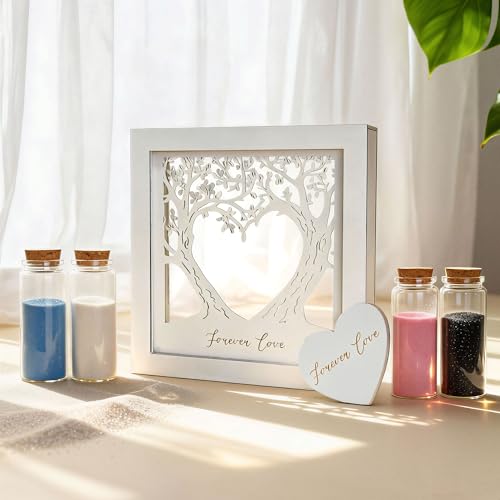
- Unity Candle or Sand Ceremony: The ultimate neutral ritual. Two separate flames or sands combine into one. You can even use sand from both families' hometowns to add personalized meaning.
⚠️ What to Avoid: Stay away from rituals requiring specific dietary restrictions without accommodation (e.g., communion wafers for non-Christians) or those demanding conversion language. A good officiant will flag these landmines early.
For couples blending Eastern and Western traditions, consider a Boho wedding aesthetic that naturally accommodates eclectic decor and rituals. Neutral, nature-inspired settings help both families feel comfortable.
4. Navigating Family Expectations (Without Losing Your Sanity)
Family pushback is the #1 stressor for interfaith couples. Here's a proven 4-step framework:
Listen First
Meet each family separately. Let them voice fears: "Will grandchildren be raised in my faith?" "Will I understand the ceremony?" Don't defend — just hear.
Find Non-Negotiables
Ask each parent: "What's one thing that would make you feel our wedding still honors our heritage?" Often it's smaller than you think — a particular prayer, a food, a garment.
Create Family Roles
Assign readings, candle lighting, or blessing recitations to parents or grandparents from both sides. Involvement builds ownership and reduces criticism.
Draft a Family Letter
Before the wedding, send a warm note explaining your blended ceremony structure. Emphasize respect, not rebellion. Most objections come from fear of being erased.
If tensions rise, remember: your marriage is the priority, not pleasing everyone. For help managing complex dynamics, read our guide on managing family dynamics at weddings — it's written specifically for couples caught between different expectations.
5. A Sample Interfaith Ceremony Flow (60 Minutes)
This balanced template works for most faith combinations. Adjust timing and elements based on your traditions:
📋 SAMPLE ORDER:
- Processional: Music from both cultures (e.g., traditional instrumental followed by a Western classical piece)
- Welcome & Opening Words: Dual officiants or single interfaith celebrant explains the blended nature with grace
- First Tradition Reading: From Faith A's sacred text (love-focused passage, 2-3 minutes)
- Second Tradition Reading: From Faith B's sacred text (or a secular poem that nods to both)
- Ritual #1 (Tradition A): e.g., Breaking the glass (Jewish) or lighting a candle (Christian)
- Ritual #2 (Tradition B): e.g., Garland exchange (Hindu) or blessing hands (Muslim)
- Neutral Unity Ritual: Sand ceremony, handfasting, or planting a tree — done together
- Exchange of Vows: Write your own vows to avoid specific religious language while still promising commitment
- Ring Exchange: With a blessing from both traditions (officiant can blend phrases)
- Pronouncement & Kiss: Celebrated joyfully — this moment is universal
- Recessional: Upbeat music that represents both cultures or a favorite song you both love
Print programs explaining each ritual's origin and meaning. Guests (and nervous parents) appreciate the context. Learn more about wedding signage ideas to elegantly display your program details at each seat.
6. Your Interfaith Wedding Practical Checklist
Beyond the ceremony script, interfaith couples face unique logistical decisions:
📅 Date Considerations
Check both religious calendars. Avoid major holidays, fasting periods (Ramadan, Yom Kippur, Lent), or holy days when family attendance would be difficult. Weekend afternoons usually work universally.
🍽️ Menu Accommodations
Ensure your wedding catering includes Kosher, Halal, vegetarian, or fasting-appropriate options clearly labeled. A buffet with clearly marked stations is more interfaith-friendly than plated meals.
👗 Attire Flexibility
Mention dress code accommodating head coverings (yarmulkes, hijabs, turbans) or modest attire. Include a note on your wedding website: "All are welcome to dress according to their tradition."
🎵 Music & Entertainment
Hire musicians who can play both traditional religious melodies and secular love songs. Avoid explicitly religious songs from only one tradition unless both families agree.
For venue selection, neutral spaces work best: botanical gardens, art galleries, hotel ballrooms, or garden wedding venues. Avoid exclusively religious buildings unless both families are comfortable. A blank canvas allows you to decorate with elements from both cultures equally.
Interfaith Wedding FAQs: Your Questions Answered
Still have questions? Every interfaith journey is unique. For more guidance, explore how to choose an officiant or read real interfaith wedding stories on our wedding etiquette hub.
✨ Final Interfaith Wisdom: Your wedding is one day. Your marriage is a lifetime. If certain traditions cause more stress than joy, let them go. The most sacred thing you can do is stand before your families — whatever their beliefs — and promise to love each other without condition. That's a language every faith understands.