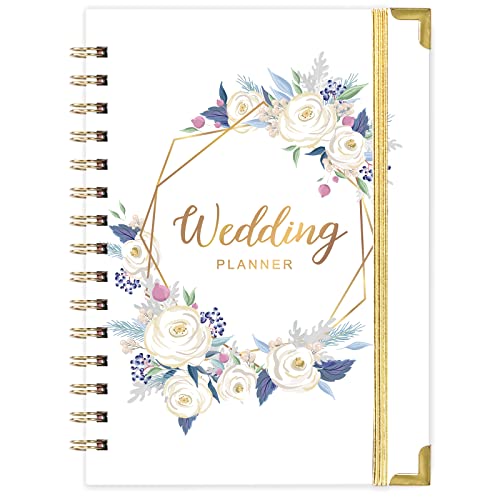
Wedding Planner vs Coordinator: Which One Do You Really Need?
Stop guessing and start saving. Understand the exact differences in cost, responsibilities, and when to hire each professional.
What's Inside
If you're confused about whether you need a wedding planner or a wedding coordinator, you're not alone. The terms are often used interchangeably, but they represent very different levels of service, investment, and involvement in your big day. Understanding the distinction can save you thousands of dollars and prevent last-minute chaos.
In this guide, we break down exactly what each professional does, how much they cost, and – most importantly – which one is right for your wedding style, budget, and personality. By the end, you'll know whether to hire a full-service planner, a day-of coordinator, or perhaps neither (if you're the ultimate DIY couple).
Wedding Planner vs Coordinator: Key Differences
🎯 Full-Service Wedding Planner
- Involved 9–12 months before the wedding
- Helps create and manage your budget
- Researches and negotiates with vendors
- Designs overall aesthetic & floor plans
- Manages guest list & RSVPs
- Creates detailed production timeline
- Is present on wedding day for full execution
Best for: Busy couples, destination weddings, complex events (150+ guests), or those who want zero stress.
📋 Day-of / Month-of Coordinator
- Steps in 4–8 weeks before the wedding
- Reviews existing vendor contracts & plans
- Creates the final run sheet & floor plan
- Confirms all vendors 1–2 weeks out
- Manages rehearsal & ceremony flow
- Executes timeline on the wedding day
- Troubleshoots emergencies so you don't have to
Best for: DIY couples who've planned everything but want professional execution on the day.
Real Cost Breakdown: Planner vs Coordinator
Pricing varies by region, experience, and wedding size. But here are typical 2026 rates in the US market (based on thousands of real vendor quotes). Remember that these fees are often a fraction of what you'd lose if something went wrong without a professional.
| Service Type | Typical Cost Range | What's Included |
|---|---|---|
| Full-Service Planner | $3,000 – $12,000+ (or 10–15% of total wedding budget) |
End-to-end planning: vendor sourcing, design, budget tracking, contract negotiation, day-of management. |
| Partial Planning | $2,000 – $6,000 | You book venue and major vendors; planner handles design, timeline, and coordination of remaining details. |
| Month-of Coordination | $1,500 – $3,500 | Final month logistics, vendor confirmations, run sheet creation, rehearsal direction, full day-of execution. |
| Day-of Coordination | $800 – $2,500 | Timeline management, vendor oversight, ceremony flow, reception coordination – no planning before 2–4 weeks out. |
💡 Insider Tip: If you have a wedding budget under $15,000, a full-service planner may not be cost-effective. Instead, invest in a day-of coordinator (around $1,000) and use free tools like our 12-month checklist to stay organized. For destination weddings or micro-weddings with multiple activities, a planner is often worth every penny.
What a Full-Service Wedding Planner Actually Does (And Why It Matters)
A full-service wedding planner is your strategic partner from day one. They don't just "show up" on your wedding day – they build your wedding from the ground up. Here's a realistic timeline of their involvement:
- 12–9 months out: They help you establish a realistic budget, recommend venues that fit your vision, and attend venue tours with you. They know which questions to ask about hidden fees, overtime charges, and contract pitfalls.
- 8–6 months out: They curate a list of trusted vendors (photographers, caterers, florists, DJs) based on your style and budget. They handle initial outreach, negotiate pricing, and review contracts to protect you.
- 5–3 months out: They design your wedding aesthetic – from signage and centerpieces to lighting and floor plans. They also manage your guest list, RSVPs, and seating chart.
- 2–1 month out: They create a minute-by-minute production schedule, conduct final walkthroughs with all vendors, and run your rehearsal.
- Wedding day: They arrive first, leave last, handle every emergency (spilled wine, late flowers, missing cake), and ensure you never see a single problem.
If you are a high-achieving professional, planning a wedding across state lines, or simply don't enjoy project management, a planner transforms what could be 500+ hours of work into a joyful experience. Check out our wedding planning resources for more insights.
What a Day-of / Month-of Coordinator Does (Your Safety Net)
Perhaps you've already booked your venue, hired a photographer, and chosen a florist. You love planning and have a clear vision – but you're terrified of managing logistics on your actual wedding day. That's where a coordinator shines.
Most "day-of" coordinators actually start working with you 4–8 weeks before the wedding. Here's what you get:
- They review every vendor contract and your existing plans to identify gaps or conflicts.
- They build a detailed timeline that accounts for hair/makeup, photography sessions, ceremony flow, and reception transitions.
- They contact all your vendors one week out to confirm arrival times, setup needs, and emergency contacts.
- They direct your rehearsal (crucial for large wedding parties or complicated ceremonies).
- On the big day, they manage setup, cue the music, line up the wedding party, coordinate the receiving line, and handle any crisis so you can stay present.
In short: a coordinator doesn't design your wedding, but they execute it flawlessly. For couples on a moderate budget who enjoy planning, this is the sweet spot. Many venues now require a coordinator (either yours or theirs) – learn more about venue requirements before signing.
How to Decide: 5 Questions to Ask Yourself
🤔 Question 1: How much free time do you have per week?
If less than 5 hours → hire a planner. If 10+ hours → you can likely DIY with a coordinator.
🤔 Question 2: Is your wedding local or a destination?
Destination weddings (or even weddings 2+ hours away) usually require a planner due to unfamiliar vendor landscapes. See our destination wedding guide.
🤔 Question 3: What's your guest count?
Under 75 guests and simple layout → coordinator works great. Over 150 guests with multiple locations → strongly consider a planner.
🤔 Question 4: Do you enjoy negotiating contracts and managing details?
If the thought excites you → DIY + coordinator. If it overwhelms you → planner.
🤔 Question 5: What is your total wedding budget excluding the planner fee?
If your total budget is $30k+, a 10% planner fee ($3k) is a smart insurance policy. If under $15k, stick with a coordinator and use our budget breakdown templates.
Frequently Asked Questions About Planners & Coordinators
Still unsure? Read our detailed guide on do I need a wedding planner? or explore what a day-of coordinator does to see real-life examples. And remember – whichever route you choose, the goal is a stress-free celebration that reflects you as a couple.