
Do I Need a Wedding Planner? The Honest Truth
Save money, time, and sanity. Discover exactly when hiring a planner is a smart investment — and when you can confidently DIY.
What You'll Learn
You're engaged, excited, and then the questions hit: venue, budget, vendors, guest list. Within days, you might ask yourself: "Do I need a wedding planner?" The short answer: it depends on your personality, budget, and the complexity of your celebration. But with average wedding costs climbing, a planner might actually save you thousands — or feel like an unnecessary expense. Let's break down every angle so you can decide with confidence.
What Does a Wedding Planner Actually Do?
Many couples imagine a planner only shows up on the wedding day. In reality, a full-service wedding planner becomes your strategic partner. They handle budget tracking, source and vet vendors, negotiate contracts, manage the timeline, and coordinate the rehearsal and ceremony flow. According to top wedding planning experts, a good planner reduces your workload by 70–80%, letting you actually enjoy your engagement.
🎯 Key tasks of a wedding planner:
- Create and manage your detailed budget (often finding hidden savings)
- Recommend and book venues, caterers, photographers, florists
- Review vendor contracts to protect you from hidden fees
- Design the layout, floor plan, and décor vision
- Manage RSVPs, seating arrangements, and timeline down to the minute
- Handle emergencies on the wedding day so you never know about them
5 Signs You Need a Wedding Planner
- You have a demanding job or limited free time. Planning a wedding takes 200–400 hours on average. If you work 50+ hours weekly, a planner prevents burnout.
- Your wedding involves multiple locations or complex logistics. Destination weddings or multi-day celebrations benefit hugely from a local planner who knows vendors and regulations.
- You're working with a large budget ($30k+). More money often means more vendors and moving pieces. A planner's negotiation skills can save you 10–20% on vendor packages, often covering their fee.
- You want a uniquely designed wedding. DIY Pinterest projects are fun, but professional planners have access to exclusive rentals and decor that elevate your aesthetic.
- Conflict resolution isn't your superpower. Family disagreements about guest lists, budgets, or traditions? A planner acts as a neutral mediator.
When You Can Skip a Wedding Planner (and DIY Successfully)
Planning your own wedding is absolutely possible, and many couples do it brilliantly. If you have a micro-wedding under 50 guests, a simple ceremony at a familiar venue, or an elopement, you likely don't need a planner. Also, if you're an organized person who enjoys spreadsheets and has supportive family/friends, the DIY route can save you $2,000–$5,000. However, we strongly recommend hiring a day-of coordinator — even for DIY weddings — to handle the final execution.
💡 Insider tip: Many all-inclusive venues include a venue coordinator. But note: they work for the venue, not for you. They won't help with outside vendors or design. If you choose no planner, at least buy wedding insurance to protect deposits.
Types of Wedding Planners & Real Costs
Not all planners are the same. Understanding the three main tiers helps you match services to your actual needs.
📋 Full-Service Planner
Cost: $3,000 – $10,000+ (15% of total wedding budget is common for luxury)
Complete start-to-finish support: budget, vendor sourcing, design, negotiations, month-of coordination. Best for busy professionals or large, elaborate weddings.
📝 Partial Planning
Cost: $1,500 – $5,000
You handle some tasks (like finding the venue) and the planner takes over 4–6 months out. Great for couples who want a middle ground.
🎯 Day-of Coordinator
Cost: $800 – $2,500
Steps in 4–6 weeks before the wedding. They create the final timeline, confirm with vendors, and run the entire wedding day. Most valuable service for DIY couples.
Remember: these ranges vary by location. In major cities like New York or Los Angeles, expect prices on the higher end. In the Midwest or South, you'll often find excellent planners for $2,000–$5,000 full-service. Always ask for a detailed contract.
How to Choose the Right Planner for You
Once you decide to hire, finding the perfect match is critical. Follow this step-by-step approach:
- Define your scope: Full planning, partial, or day-of? Be honest about your budget and time.
- Interview at least three planners. Ask about their experience with weddings similar to yours (size, style, location).
- Request references. Speak to past couples — especially those who had unexpected issues.
- Check their vendor relationships. A planner with strong connections can get you better rates on wedding vendors like photographers, florists, and bands.
- Review the contract carefully. Understand cancellation policies, payment schedules, and what happens if the planner is unavailable.
🔍 Pro question to ask: "How many weddings do you take per month?" You want a planner who focuses on quality, not volume. More than 2–3 weddings per month can indicate stretched attention.
DIY vs. Professional: The Cost Breakdown
Let's talk numbers. Many couples assume a planner is an extra expense, but a great planner often saves you more than their fee. How? Through vendor discounts (10–15% is common), preventing costly mistakes (like overtime fees or missing permits), and negotiating upgrades you wouldn't think to ask for.
Consider a typical $35,000 wedding. A full-service planner at $4,500 might seem steep. But if they save you $3,500 in vendor negotiations and prevent a $2,000 timeline disaster, you're net positive. Meanwhile, DIY couples should factor in the value of their own time — at 200 hours of planning, even at $20/hour, that's $4,000 in "sweat equity."
If you want structured help without full commitment, start with the 12-month wedding checklist and use free budget tools. Then decide if the stress is manageable.
Frequently Asked Questions
Ultimately, the decision comes down to your peace of mind. If the thought of vendor emails and timeline management keeps you up at night, a wedding planner is worth every penny. If you thrive on details and have a strong support system, go the DIY route — but don't skip protecting your big day with a reliable backup plan.
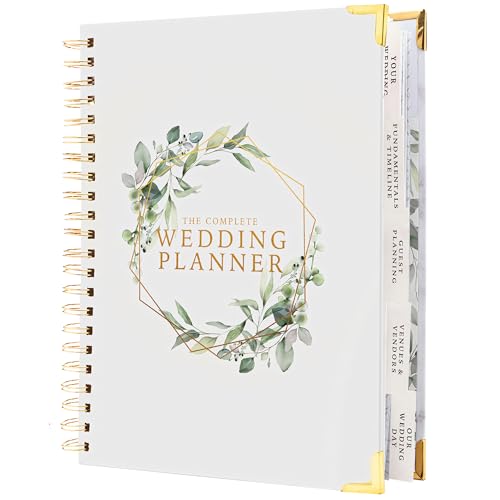
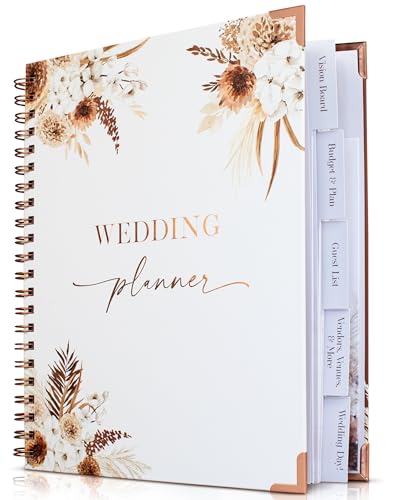
![The Knot Ultimate Wedding Planner and Organizer, Revised and Updated [binder]: Worksheets, Checklists, Inspiration, Calendars, and Pockets](https://m.media-amazon.com/images/I/41nByDGUAsL._SL500_.jpg)


