Centerpieces for a Wedding: The Ultimate Style Guide
"Transform your reception tables from blank canvases into breathtaking focal points that guests will remember."
Your wedding reception is a feast for the senses, and the centerpieces are the crown jewel of the tablescape. They set the tone, tie together your color palette, and give your guests something beautiful to admire during dinner. However, with so many options—from towering floral arrangements to minimalist candle clusters—it's easy to feel overwhelmed.
This guide breaks down the most popular centerpieces for a wedding, helping you choose the perfect style for your venue and budget. Whether you're planning a grand ballroom affair or an intimate garden party, you'll find inspiration and practical advice here.
Why Centerpieces Matter
Centerpieces are more than just decoration; they are a crucial element of your reception's atmosphere. They:
- Define Your Theme: A cluster of succulents and wood slices screams rustic, while crystal candelabras and white roses whisper classic elegance.
- Add Color & Texture: They are your primary opportunity to infuse your wedding colors and seasonal blooms into the reception space.
- Create Visual Interest: They break up the monotony of a large room and guide the eye across the table.
- Spark Conversation: A unique or interactive centerpiece (like a small potted plant or a vintage book stack) can be a great icebreaker for guests who don't know each other.
The Golden Rules of Height & Scale
Before you fall in love with a design, you must consider the practicalities of dining. The number one mistake couples make is choosing a centerpiece that blocks conversation.
💡 The 12-Inch / 24-Inch Rule: Keep your centerpieces either under 12 inches tall (low and lush) or over 24 inches tall (tall and airy). Anything in between will obstruct your guests' view of each other across the table.
Low & Lush (Under 12")
Perfect for long, family-style tables or intimate round tables. These arrangements sit below eye level, allowing guests to chat freely. They often feature dense greenery, garden roses, and trailing vines. They feel organic, romantic, and grounded.
Tall & Airy (Over 24")
Ideal for large ballrooms with high ceilings. These centerpieces draw the eye upward and create a dramatic, luxurious feel. To avoid blocking sightlines, they usually feature slender stems, clear acrylic risers, or tall candelabras with minimal blooms at the top.
Floral Centerpiece Styles
Fresh flowers are the traditional choice, and for good reason—their scent and beauty are unmatched. Here are the most popular floral styles for centerpieces for a wedding:
1. The Classic Rose Dome
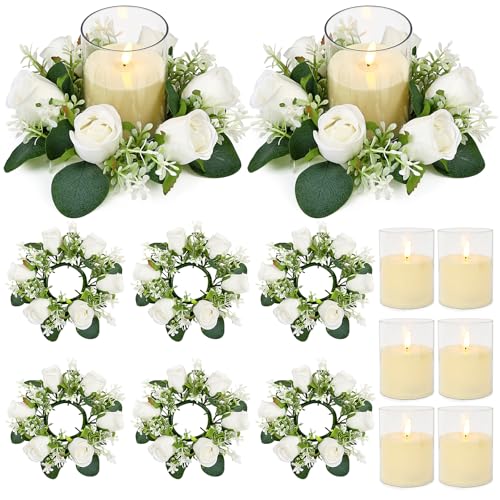
A dense, rounded arrangement of roses (often in a single color or a soft gradient) placed in a low pedestal vase. This is a timeless, elegant choice for formal weddings. It pairs beautifully with traditional wedding decor.
2. The Wildflower Meadow
Loose, organic arrangements featuring a mix of seasonal blooms, grasses, and greenery. Think dahlias, ranunculus, and eucalyptus. This style is perfect for boho weddings or rustic outdoor venues.
3. The Tropical Statement
Bold and vibrant, these feature monstera leaves, orchids, and bird of paradise. They are ideal for destination weddings or summer celebrations. For a cohesive look, consider a tropical bouquet to match.
4. The Minimalist Single Stem
A single, striking bloom (like a protea or a calla lily) in a sleek, modern vase. This is a sophisticated, modern choice for couples who prefer clean lines and understated elegance.
Non-Floral & Alternative Ideas
Not every centerpiece needs to be floral. In fact, non-floral options can be more budget-friendly, longer-lasting, and incredibly unique. Here are some creative alternatives:
- Candle Clusters: Group candles of varying heights and sizes on a mirrored tray or a slice of wood. The soft glow creates a romantic, intimate ambiance. Add a few sprigs of greenery for a touch of nature.
- Potted Plants & Herbs: Small potted ferns, succulents, or herbs like rosemary and lavender make excellent centerpieces that double as guest favors. They are eco-friendly and add a fresh, green touch.
- Vintage Books & Lanterns: Stack vintage books and top them with a small lantern or a candle. This is a charming, literary-themed idea for a library or historic venue.
- Seasonal Produce: For a fall wedding, use small pumpkins, apples, or pomegranates. For a summer wedding, lemons or limes in a clear vase with water look refreshing and vibrant.
- Dessert Centerpieces: A tiered stand of macarons, cupcakes, or donuts can serve as both decor and dessert. This is a fun, interactive option that guests love. Explore more dessert table ideas for inspiration.
DIY vs. Professional: Which is Right for You?
One of the biggest decisions you'll make is whether to hire a florist or tackle the centerpieces yourself. Both have their pros and cons.
Hiring a Professional Florist
Pros: Saves you time and stress, ensures a cohesive look, and you get access to high-quality, seasonal blooms. A pro can also handle setup and teardown on the day of the wedding.
Cons: It's typically a premium or luxury tier investment. You may have less flexibility to make changes after the contract is signed.
If you choose this route, be sure to read our guide on how to choose a florist and the questions to ask your florist.
DIY Centerpieces
Pros: It's an entry-level or budget-friendly approach. You have complete creative control and can work at your own pace. It's also a fun activity to do with your bridal party.
Cons: It's time-consuming. You'll need to source vases, flowers, and tools. There's also the risk of last-minute assembly stress. For tips, check out our DIY flower tips.
If you're using artificial flowers, explore our guide to DIY wedding flowers for advice on making silk blooms look realistic.
Navigating Quality Tiers & Budgets
When planning your centerpieces, it's helpful to think in terms of quality tiers rather than specific numbers. Here's a breakdown of what you can expect at each level:
Entry-Level: These centerpieces are often DIY or use budget-friendly materials like silk flowers, greenery, candles, or potted plants. They are perfect for casual or outdoor weddings, or for couples who want to allocate more of their budget to other areas.
Mid-Range: This tier typically features fresh, seasonal flowers from a local florist. You can expect a wider variety of blooms and more intricate designs. This is the most common tier for average-sized weddings.
Premium/Luxury: These are the showstoppers. They often feature imported, out-of-season blooms, rare flowers, and elaborate structures like tall acrylic risers or crystal candelabras. They are designed to make a grand statement in a large venue.
For more ideas on how to save, explore our guide to centerpiece supplies and cheap outdoor wedding ceremony sites if you're planning a more relaxed event.