DIY Wedding Flowers: A Complete Guide to Stunning Blooms
"Discover the secrets to creating beautiful, professional-looking floral arrangements for your big day while keeping your budget in check."
Flowers are the heart of wedding decor, but they are also one of the most significant expenses. A professional florist can transform a space, but the bill can be daunting. This is where the DIY wedding flowers movement comes in. By taking the reins, you can achieve a look that is uniquely yours, deeply personal, and surprisingly affordable. Whether you are a crafting novice or a seasoned maker, this guide will walk you through everything you need to know to create breathtaking floral designs for your ceremony and reception.
Why DIY Wedding Flowers?
The decision to handle your own flowers is about more than just budget—it's about control and creativity. You get to choose every single stem, every color, and every arrangement style. You are no longer limited by a florist's catalog or availability. The possibilities are endless, from a simple bridal bouquet to elaborate ceremony flowers and reception centerpieces. The primary benefits are clear:
Complete Creative Control
You are the designer. You can create a cohesive look that perfectly matches your theme, from a boho chic vibe with pampas grass and dried blooms to a classic, romantic affair with lush roses and peonies. You can incorporate sentimental elements, like a flower from your grandmother's garden or a specific hue that matches your color palette.
Significant Cost Savings
This is often the number one reason couples choose to DIY. By sourcing your own flowers from online wholesalers or even grocery stores and creating the arrangements yourself, you can reallocate a substantial portion of your budget to other areas like photography, catering, or your honeymoon. The savings can be substantial without sacrificing the beauty or impact of your floral designs.
Fresh vs. Artificial: Which is Right for You?
This is the first and most important decision you will make. Both options have distinct advantages and disadvantages. The right choice depends on your priorities, timeline, and the specific arrangements you are creating.
The Case for Fresh Flowers
Nothing beats the scent, texture, and natural beauty of fresh flowers. They add an element of luxury and authenticity to a wedding that is hard to replicate. If you choose to go the fresh route, you will need to work with a strict timeline. You will need to source your blooms from a wholesaler or flower market, have them delivered 2-3 days before the event, and arrange them the day before. They require careful conditioning (stripping leaves, cutting stems at an angle, and hydrating in water) and must be kept in a cool environment. For a detailed guide on sourcing and handling, see our DIY flower tips.
The Rise of High-Quality Artificial Flowers
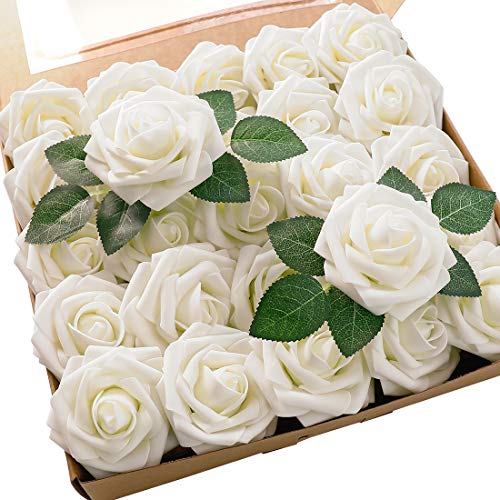
Gone are the days of cheap, plastic-looking fake flowers. Today's high-quality silk and "real touch" artificial flowers are incredibly realistic. They offer a stress-free alternative for DIY brides. The biggest advantage is timing: you can create your arrangements weeks or even months in advance, eliminating last-minute panic. They are also incredibly durable, meaning you don't have to worry about wilting in the heat or damage during transport. They are perfect for outdoor weddings and for couples who want a permanent keepsake of their day. You can explore a wide range of options, from dried flowers to realistic silk blooms.
💡 A Pro's Secret: Many couples use a hybrid approach. They use fresh flowers for personal flowers (bouquets and boutonnieres) that are photographed up close, and high-quality artificial flowers for large-scale ceremony and reception decor (like a wedding arch or table centerpieces) where they are seen from a distance. This gives you the best of both worlds.
Essential Tools for Every DIY Florist
Before you buy a single stem, you need to assemble your toolkit. Having the right supplies makes the process infinitely smoother and more professional. Here is a list of what you will need:
- Floral Shears: A sharp pair of bypass pruners or floral scissors is essential for clean cuts. Do not use your household scissors!
- Floral Wire & Tape: For reinforcing stems and creating boutonnieres and corsages. A corsage and boutonniere guide can be very helpful here.
- Floral Foam (Oasis): For centerpieces, this green foam holds water and keeps flowers hydrated.
- Water Tubes: Small plastic vials that hold water, perfect for keeping individual stems fresh in arrangements not in water.
- Ribbon and Twine: To wrap bouquets and add decorative touches to vases.
- Zip Ties: Incredibly useful for attaching garlands or floral clusters to arches and backdrops.
- Vases and Containers: A variety of sizes and styles to fit your decor. Start by browsing a centerpiece supplies collection.
Key Arrangements: Bouquets, Centerpieces & More
Your floral plan will consist of several different types of arrangements. Each serves a unique purpose and requires a different approach.
Bridal & Bridesmaid Bouquets
The bridal bouquet is the most photographed floral element of the day. It should be a reflection of your personal style. A classic round bouquet is timeless, while a loose, cascading "wildflower" style is perfect for a more relaxed, bohemian vibe. Once you've crafted your masterpiece, remember to practice your bouquet of flowers for a wedding hold. For bridesmaids, smaller, simpler versions of the bridal bouquet work beautifully.
Ceremony Flowers
This is where you can make a grand statement. A beautifully decorated ceremony flowers display, such as an arch, arbor, or aisle markers, sets the stage for your vows. For a Jewish ceremony, a chuppah is the focal point. These large installations can be surprisingly cost-effective to DIY. A simple wedding arch frame paired with lush greenery garlands and a few clusters of blooms can create a stunning backdrop.
Reception Centerpieces
Centerpieces are the workhorses of your reception decor. You have many options, from tall, dramatic branches to low, romantic clusters of flowers. A popular and affordable choice is a mix of high and low arrangements, or even a collection of smaller bud vases. For more inspiration, explore our ideas for center pieces for a wedding. A great place to start is by gathering all your centerpiece supplies and experimenting with different layouts.
Step-by-Step: Creating a Simple Centerpiece
Let's walk through a simple, foolproof method for creating a classic, low centerpiece using a floral foam base.
Step 1: Prep Your Foam. Soak your floral foam in a sink full of water. Let it absorb water naturally—do not push it down! Once fully saturated, cut it to fit snugly in your vase, leaving about an inch of space below the rim.
Step 2: Start with Greenery. Create a base by inserting your greenery (like eucalyptus, ruscus, or salal) into the foam, working from the outside in. This will hide the foam and create a foundation for your flowers.
Step 3: Add Focal Flowers. Choose your largest, most beautiful blooms (like roses or peonies) and place them in the center and at key points around the arrangement. Create a balanced shape, but don't be too rigid.
Step 4: Fill In and Texture. Now, add smaller filler flowers (like spray roses, stock, or waxflower) to fill the gaps and create a cohesive look. Add any trailing elements or berries for extra interest.
Step 5: Finishing Touches. Step back and look at your arrangement from all angles. Adjust as needed. Ensure no foam is visible and that the arrangement feels balanced and pleasing to the eye.