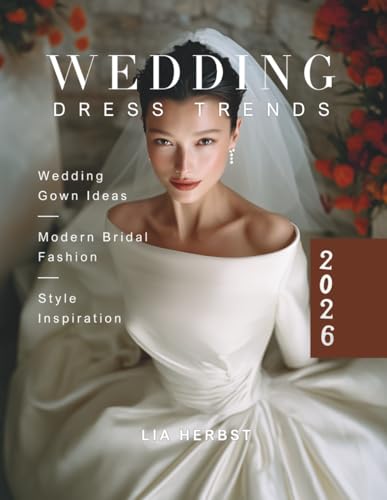
Wedding Dress Trends Every Bride Should Know
"From corset bodices to sweeping trains. Discover the silhouettes, fabrics, and details shaping bridal style today."
Your wedding dress is the single most photographed garment you will ever wear, and the pressure to get it right can feel overwhelming. Trends shift constantly, boutiques use different terminology, and social media feeds are flooded with gowns that look stunning in a video but may not suit your body type, budget tier, or venue.
This guide cuts through the noise. Rather than telling you to chase the newest runway look, we break down the wedding dress trends that have genuine staying power, explain which silhouettes work for which body types, and help you understand the fabrication details that separate an entry-level gown from a premium one. By the end, you will know exactly what to ask for at your fitting.
Choosing a Silhouette Before Chasing Trends
Before you fall in love with a specific trend, understand that the silhouette is the foundation of your dress. Details like lace appliqué or a corset back are decorations layered on top of that structure. If the silhouette does not flatter your frame and match your venue, no amount of trend-chasing will fix it.
There are six core silhouettes you should be able to name when you walk into a boutique:
A-Line
The most universally flattering shape. Fitted at the bodice and gently flared from the natural waist, forming the letter A. It suits almost every body type and reads as classic in any venue. A reliable choice for a beach wedding when cut in a lighter fabric.
Ball Gown
Dramatic and voluminous, with a fitted bodice and a full skirt that flares from the natural waist. Ideal for formal ballrooms and black-tie celebrations. Note that ball gowns are heavy; factor that into your comfort planning for a long ceremony day.
Mermaid / Trumpet
Clings through the hips and thighs before flaring out at or below the knee. The most body-conscious option and a favorite in lace and stretch crepe. Requires precise tailoring; an entry-level off-the-rack mermaid rarely fits well without alterations.
Sheath
A slim, straight cut that follows the body's natural line without clinging aggressively. The go-to silhouette for minimalist weddings, courthouse ceremonies, and destination events where portability matters.
Try on at least three silhouettes in a mid-tier fabric before committing to a trend. Many brides arrive convinced they want a ball gown and leave with a sheath, simply because the mirror told a different story than the mood board.
The Corset Bodice Comeback
The corset bodice is arguably the defining bridal detail of the past several seasons, and it shows no sign of fading. Designers have moved away from the restrictive, historical corset toward a structured, boned bodice that functions as built-in shapewear.
💡 Fit Tip: A premium corset gown will have spiral steel boning rather than plastic. Steel boning flexes with your body when you sit and breathe, while cheap plastic boning digs in after an hour. When trying on a corset wedding dress, sit down in it for a full minute. If it bites, walk away.
There are two distinct corset styles currently popular. The first is the visible corset, where lace-up detailing runs up the back or front as a decorative feature. The second is the concealed corset, where the boning structure sits under a clean overlay of crepe or satin, giving you the hourglass shaping without the lingerie aesthetic.
Concealed corsets are the safer long-term choice. Visible lace-up backs are striking but can date quickly in photographs, and they draw attention away from the rest of the gown's design. If you love the visible look, consider a corset back on a reception dress rather than your ceremony gown.
Long Sleeve Gowns
Long sleeves have shed their reputation as a conservative, winter-only option. Modern designers are cutting sleeves in sheer illusion tulle, delicate lace, and crepe, making them viable for every season.
The appeal is practical as much as aesthetic. A long sleeve wedding dress offers coverage for brides who prefer it, provides a layer of warmth for outdoor ceremonies, and reads as quietly elegant rather than flashy. Sleeves also photograph beautifully in motion, which is why they appear so often in editorial bridal imagery.
- Illusion sleeves: Sheer mesh sleeves with subtle lace appliqué. The most delicate option and the most forgiving fit, since the mesh moves with your arms.
- Bishop sleeves: Full, gathered sleeves that taper at the wrist. Dramatic and romantic, best suited to a boho or garden setting.
- Fitted crepe sleeves: Clean and modern, ending at the wrist with a row of covered buttons. The most structured and formal of the three.
Practical consideration: Sleeves restrict your range of motion more than you expect. Before you commit, practice raising your arms as if you were hugging a guest or lifting a glass for a toast. If the sleeve pulls the bodice out of place, the fit needs adjustment or the sleeve needs to be set-in rather than cut as one piece with the bodice.
Lace & Sheer Detailing
Lace never truly leaves bridal design, but the way it is used changes. The current direction favors sheer lace—lace layered over illusion mesh or nude-toned lining—over the dense, fully opaque lace that dominated a decade ago.
A lace wedding dress with sheer paneling creates depth and dimension in photographs that a flat fabric cannot replicate. The key is the quality of the lace itself. Entry-level gowns often use a stiff, synthetic lace with a plastic sheen, while mid-range and premium gowns use Chantilly, Alençon, or Guipure lace with genuine texture and drape.
If you are shopping in the affordable tier, look for gowns where the lace is concentrated as appliqué on the bodice and hips rather than covering the entire skirt. Fewer, better-placed lace details read as more expensive than an all-over application of a cheap lace. Pair the gown with a simple half-up half-down hairstyle to keep the overall look balanced.
Necklines That Flatter
The neckline is the single detail that changes how a gown reads more than any other. It frames your face in every photograph, so choose deliberately.
| Neckline | Best For |
|---|---|
| Sweetheart | Most body types. Universally flattering and a classic choice that will not date. |
| V-Neck | Elongating the torso. Excellent on petite brides and those with a fuller bust. |
| Off-the-Shoulder | Highlighting the collarbone and shoulders. Popular in off-the-shoulder gowns for garden and outdoor ceremonies. |
| High / Halter | A modern, architectural look. Works well on taller brides and minimalist gowns. |
The Second Look Dress
The second look is no longer a luxury reserved for celebrity weddings. Brides increasingly change out of their ceremony gown into a lighter, shorter, or more playful dress for dancing. The logic is simple: ceremony gowns are built for photographs, not for a three-hour dance floor.
When choosing a second look, resist the urge to buy something radically different in style. A bride who wears a full ball gown at the ceremony and a sequined mini dress at the reception can end up with photographs that look like two different events. Instead, choose a reception dress that echoes the ceremony gown's fabric or detailing.
Value consideration: A reception dress in a simpler sheath silhouette is often available at a noticeably lower tier of cost than your ceremony gown. Treat the ceremony gown as your investment piece and the reception dress as the fun, replaceable element. This is also the dress you are more likely to wear again.
Shopping by Body Type & Venue
Trends matter less than fit. A premium gown that does not suit your frame will look worse than an entry-level gown that fits you perfectly. Use the guidance below as a starting point before your appointment.
For Plus-Size and Curvy Brides
Focus on structure. A gown with a boned bodice and a defined waist will sculpt your shape far better than a bias-cut slip dress. Empire lines and straight sheath cuts can add volume where you do not want it. Our guide to wedding dresses for plus-size brides covers specific construction details to look for.
For Older Brides
Fabric quality matters more than trend. A clean crepe or mikado gown in a classic silhouette will read as sophisticated, while heavy embellishment can look busy. Sleeves and higher necklines are increasingly popular in this category. See our recommendations for wedding dresses for the older bride.
Matching the Dress to Your Venue
An A-line in lightweight chiffon is the correct answer for sand and sea; a ball gown is not. For a tropical setting, look at wedding dresses for a tropical wedding, where breathable fabrics and shorter trains are the practical norm. For a formal ballroom, a structured ball gown or mermaid in a premium fabric is the natural fit.