Wedding Dress and Reception Dress: Your Complete Guide
"Two looks, one unforgettable day. Discover why more brides are choosing a second dress for the party."
The tradition of wearing one wedding gown from the ceremony through the last dance is slowly giving way to a more modern, practical approach: the wedding dress and reception dress. This two-dress strategy allows brides to have the best of both worlds—a formal, dramatic gown for the ceremony and a lighter, more playful look for the reception.
Whether you're planning a grand ballroom affair or a relaxed backyard celebration, understanding the benefits of a second dress can transform your wedding day experience. In this guide, we'll explore why brides choose this option, how to select the right gowns, and how to manage the transition seamlessly. For more inspiration on your overall bridal look, explore our wedding dress trends guide.
Why Wear Two Dresses?
The decision to wear two dresses is deeply personal, but the reasons are often universal among modern brides. The most common motivation is practicality. Ceremony gowns, particularly those with heavy beading, long trains, and structured corsets, can be incredibly difficult to move in. Once the formalities are over, many brides want to let loose on the dance floor without feeling restricted.
Another key factor is the desire to express different facets of one's personality. A bride might choose a traditional, elegant gown for the solemnity of the ceremony, then switch to a fun, short, or sparkling dress for the party. This approach also offers a fantastic opportunity for wedding photography, as you can capture two distinct looks throughout the day.
💡 A Practical Consideration: For outdoor or summer weddings, a heavy ceremony gown can become very uncomfortable in the heat. A lighter reception dress ensures the bride stays cool and comfortable while celebrating.
Choosing Your Ceremony Gown
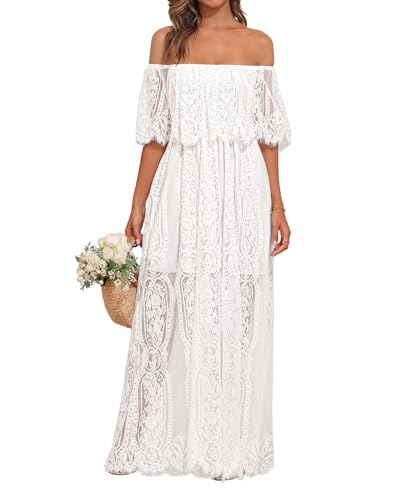
Your ceremony gown is the star of the show. It's the dress you'll wear for the most photographed moments: the walk down the aisle, the first kiss, and the formal portraits. This is where you can go all out with dramatic details like a long train, a statement veil, or an elegant wedding dress with corset for a structured, timeless silhouette.
When selecting your ceremony gown, consider the venue and the time of day. A grand cathedral calls for a formal, voluminous gown, while a beach ceremony might inspire a lighter, flowy design from our collection of wedding dresses for a beach wedding. Regardless of style, this dress should make you feel like the most beautiful version of yourself as you exchange your vows.
Finding Your Reception Dress
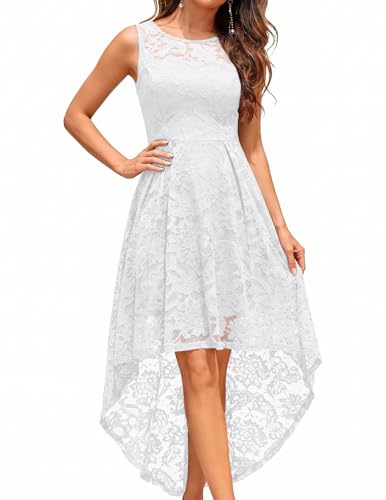
The reception dress is where you can truly have fun. Freed from the constraints of tradition, you can choose a look that is bold, playful, or simply comfortable. Popular choices include short, flirty dresses, sleek jumpsuits, or a second gown in a non-traditional color. Explore our guide to dresses for the bride to wear at the reception for more ideas.
Key Qualities to Look For
Comfort is paramount. Look for fabrics that breathe and allow for easy movement. Think lightweight silk, crepe, or chiffon. The silhouette should be less restrictive than your ceremony gown—a-line, sheath, or even a mini dress are all excellent options. This is also your chance to incorporate a different style, perhaps something with long sleeves for a chic winter celebration, or a shorter hemline to show off your shoes.
Budget-Smart Tip: Your reception dress doesn't have to be a major investment. Many brides find stylish, budget-friendly options online or by repurposing a dress they already own. The key is to find something that makes you feel joyful and ready to dance.
Styling Your Second Look
A change of dress often calls for a change of accessories. This is a great opportunity to switch from a formal veil to a more playful hairpiece, or from classic pumps to comfortable, stylish flats or even wedding dresses to wear with cowboy boots for a rustic country theme.
Consider your wedding hair styles as well. A sleek updo can easily transition into loose waves for the reception, or you might opt for a bridal hairstyle half up half down that works for both looks. The goal is to create a cohesive but distinct second look that feels like a celebration of its own.
Logistics: Timing and Transitions
The success of your two-dress plan hinges on timing. The ideal moment to change is typically after the first dance and formal photos, but before the dance floor opens up. This ensures you capture all the key moments in your ceremony gown without feeling rushed.
Have a clear plan for where and how you'll change. Enlist the help of a trusted bridesmaid or your maid of honor. Make sure your reception dress is ready and accessible, and consider having a wedding party member pack your ceremony gown safely for transport. A little preparation ensures a smooth and stress-free transition.