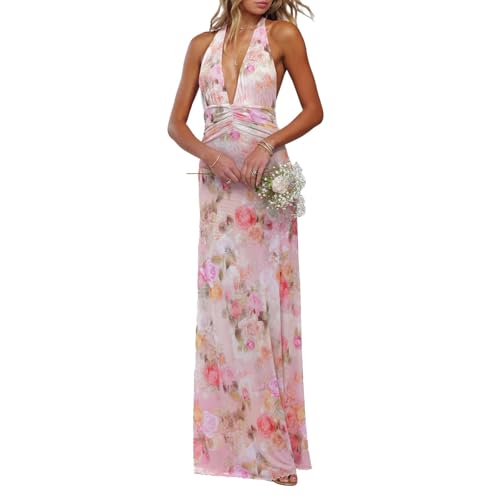
Wedding Dresses for a Beach Wedding
"Say 'I do' with sand between your toes. Discover breathable fabrics, flattering silhouettes, and practical tips for a breathtaking seaside ceremony."
A beach wedding is one of the most romantic settings imaginable—the sound of waves, the golden light, and the ocean breeze. But that dreamy backdrop comes with real practical challenges for your bridal gown. Sand, saltwater, wind, and heat can turn a heavy, structured dress into an uncomfortable burden. That is why choosing wedding dresses for a beach wedding requires a different approach than shopping for a traditional ballroom ceremony.
This guide walks you through everything you need to know: which fabrics breathe best in humid air, which silhouettes move gracefully on the sand, how to handle a long hem, and which accessories will not blow away in the first gust of wind. Whether you are planning a barefoot ceremony or an elegant wedding on the beach, these recommendations will help you feel confident and comfortable from the first step down the aisle.
Why a Beach Dress Is Different
A standard wedding gown is engineered for indoor venues: polished floors, controlled temperatures, and zero wind. A beach ceremony throws all of that out the window. Understanding the three main environmental factors will help you filter your options before you even step into a fitting room.
- Heat and Humidity Coastal venues are warm and damp. Heavy fabrics like duchess satin, velvet, and multi-layered tulle trap body heat and feel suffocating within minutes. Breathable, lightweight materials keep you cool and prevent discomfort during a long ceremony and photo session.
- Wind Ocean breezes are beautiful for photos but brutal for structured dresses, long veils, and loose trains. A dress that flows gently is lovely; a dress that flaps uncontrollably is a distraction. Fabrics with a bit of weight—like crepe or georgette—drape beautifully without ballooning.
- Sand and Water Sand clings to everything, and a hem that drags will collect it instantly. Saltwater can stain delicate fabrics and stiffen lace. Choosing a shorter hem or a fabric that brushes off easily makes the day far more relaxed.
💡 The Golden Rule: Your beach dress should let you walk, stand, and celebrate without constant adjustment. If you find yourself tugging at a strap or lifting a heavy skirt in the fitting room, that dress will be a source of stress on the sand.
The Best Fabrics for Sand & Sea
Fabric choice is the single most important decision for a beach wedding dress. The right material will keep you cool, move with the breeze, and look effortlessly elegant. The wrong one will feel heavy, restrictive, and out of place. Here are the materials that consistently perform well on the coast.
Chiffon
The classic beach wedding fabric. Chiffon is lightweight, semi-sheer, and moves beautifully in the wind. It layers well without adding bulk and dries relatively quickly if splashed. Ideal for A-line and empire-waist silhouettes.
Crepe
A mid-range fabric with a subtle texture and beautiful drape. Crepe has a bit more weight than chiffon, so it resists wind while still feeling light. It photographs cleanly and looks sophisticated in a simple sheath or fit-and-flare cut.
Georgette
Similar to chiffon but with a slightly crinkled texture that hides wrinkles and sand marks. Georgette is breathable and flows gracefully, making it a top-tier choice for romantic, unstructured beach gowns.
Cotton Lace & Linen Blends
For a relaxed, boho beach aesthetic, cotton lace and linen blends are excellent. They are highly breathable and absorb moisture well. Keep in mind that linen wrinkles easily, so choose a blend or a design that embraces the natural texture.
Fabrics to Avoid: Duchess satin, velvet, heavy taffeta, and multi-layered tulle are designed for structured indoor gowns. They trap heat, feel stiff, and do not handle wind or sand gracefully. If you love the look of satin, look for a lightweight satin-faced crepe instead.
Silhouettes That Work on the Sand
Just as important as the fabric is the shape of the dress. A silhouette that drags on the ground or restricts your stride will make walking on soft sand frustrating. The best beach silhouettes are those that move with you and keep the hem clear of the ground—or at least manageable.
- A-Line The most universally flattering and beach-friendly silhouette. An A-line skirt flares gently from the waist, giving you room to walk and keeping the fabric away from your legs. It works in chiffon, crepe, or georgette and looks beautiful in both long and tea-length versions.
- Sheath / Column A sleek, straight cut that hugs the body without being restrictive. Sheath dresses in crepe or georgette are elegant and modern, and because they do not have a wide skirt, they are less likely to catch the wind. Ideal for a minimalist beach aesthetic.
- Empire Waist The waistline sits just below the bust, with a flowing skirt that skims the body. Empire dresses are incredibly comfortable in heat and humidity, and the loose skirt moves beautifully in the breeze. A top-tier choice for pregnant brides or anyone who wants maximum comfort.
- Tea-Length or Midi A hem that falls between the knee and the ankle keeps fabric away from sand and water while still feeling bridal. Tea-length dresses in lace or chiffon are a budget-friendly and practical option that photographs beautifully against the ocean backdrop.
- Fit-and-Flare Fitted through the hips and flared at the knee, this silhouette is flattering and easier to walk in than a full ballgown. Choose a lightweight fabric and consider a hem that sits just above the sand to avoid dragging.
💡 Silhouette Tip: If you love a full skirt, look for a dress with a removable overskirt. You can wear the dramatic look for the ceremony and photos, then remove it for the reception and beach games.
Choosing the Right Length
Length is where practicality and personal style collide. There is no single right answer, but understanding the trade-offs will help you make a confident choice.
Short & Tea-Length
The most practical option for a beach ceremony. A hem that stays above the sand means no dragging, no soaking up seawater, and far less cleaning afterward. Short dresses also keep you cool and make it easy to walk barefoot or in flat sandals. A tea-length dress in lace or chiffon still reads as bridal and looks stunning in photos.
Long & Floor-Length
A long dress can be breathtaking on the beach, especially when it flows in the wind. The key is choosing a lightweight fabric and planning for the hem. Consider a dress with a small train that can be bustled for the reception. Accept that the hem will collect sand, and bring a brush or towel for touch-ups. Many brides choose a long gown for the ceremony and change into a shorter dress for the party.
A Middle Ground: An ankle-length or midi dress gives you the elegance of a long gown without the full sand-dragging effect. It is a popular choice for brides who want a romantic look but prioritize comfort.
Accessories & Footwear
Accessories can make or break a beach look. Heavy jewelry, long veils, and stiletto heels are all working against you on the sand. The goal is to enhance your dress without adding weight or wind resistance.
Footwear
Stiletto heels sink into sand and are genuinely hazardous on uneven ground. Choose flat sandals, wedges, or embellished flats. If you want a bit of height, a wedge provides stability. Many brides go barefoot for the ceremony and slip into sandals for the reception. If you plan to wear heels for photos, bring a pair of flats for walking between locations.
Veils & Hair Accessories
A long cathedral veil will blow wildly in the ocean breeze and tangle in your dress. Opt for a short blusher veil, a birdcage veil, or a hairpiece decorated with fresh flowers or pearls. If you want a veil for photos, choose a lightweight tulle that is easy to control and remove.
Jewelry
Keep it light and simple. Delicate gold chains, pearl studs, and minimal bracelets work beautifully. Avoid heavy statement pieces that can feel out of place against a casual beach backdrop. Also, be mindful that salty air can tarnish some metals—stainless steel and solid gold hold up best.
Hair & Makeup
Humidity and wind are the enemy of elaborate hairstyles. A loose updo, a half-up style, or natural waves are more forgiving than a tightly structured chignon. For makeup, choose long-wear, water-resistant formulas and a setting spray. A natural, glowing look suits the beach environment better than heavy contouring. If you are planning your own beauty routine, see our wedding day skincare guide for prep tips.
Styling Tips for a Seaside Look
Beyond the dress itself, a few thoughtful styling choices will tie your look to the coastal setting and keep you comfortable throughout the day.
- Embrace Natural Textures Cotton lace, crochet details, and macramé accents feel organic and beach-appropriate. These textures add visual interest without the weight of heavy beading.
- Choose a Color Palette That Complements the Sea While white and ivory are traditional, soft blush, champagne, and even light blue tones look stunning against the ocean. For a more relaxed vibe, consider a dress with subtle coastal-inspired embroidery.
- Plan for a Change of Clothes Many beach brides wear a long or formal gown for the ceremony and change into a shorter, lighter reception dress for the party. This keeps the formal dress clean and lets you dance comfortably.
- Bring a Touch-Up Kit Pack a small bag with blotting papers, setting powder, a brush for sand, and a stain remover pen. A handheld steamer can also help smooth wrinkles in chiffon or crepe before the ceremony.
💡 Photo Tip: Golden hour on the beach is magical. Schedule your portraits for the hour before sunset, when the light is soft and the wind often calms. A flowing chiffon or georgette dress will look spectacular in that light.
If you are still exploring the overall vision for your ceremony, our guide to wedding ideas for a beach wedding covers decor, planning, and logistics. And if you are comparing styles for a warmer climate, you may also enjoy our article on wedding dresses for a tropical wedding.