Groomsmen Attire Etiquette: The Complete Guide
"Dressing your groomsmen shouldn't be a guessing game. Learn the rules of style, coordination, and cost to ensure your guys look sharp and feel comfortable."
Your groomsmen are your closest friends and family, standing by your side on the most important day of your life. While their primary job is to support you, their attire plays a huge role in the visual cohesion of your wedding photos and the overall aesthetic of your ceremony. Getting the attire right is about more than just looking good—it's about ensuring everyone feels comfortable, confident, and included.
This guide will walk you through the essential rules of groomsmen attire etiquette, from the initial conversation about costs to the final fitting. Whether you're planning a traditional formal event or a relaxed beach wedding, these principles will help you dress your squad to perfection.
The Groomsmen's Role & Style
Before you dive into fabric swatches, it's important to understand the purpose of groomsmen attire. Their outfits should complement the bride and bridesmaids without competing with the groom. The groom should always be the focal point, slightly distinct from his groomsmen. This can be achieved through a different tie color, a unique boutonniere, or a different suit shade.
The Golden Rule: The groom should be the best-dressed man in the room. His groomsmen should look like a cohesive unit that supports his style, not overshadows it.
Who Pays? The Cost Conversation
This is the most sensitive aspect of groomsmen attire etiquette. Traditionally, groomsmen pay for their own attire. However, modern weddings are shifting this expectation. The key is clear, early communication.
- Be Upfront: As soon as you've chosen your attire, inform your groomsmen of the total cost. Don't surprise them with a bill weeks before the wedding. A good rule of thumb is to have this conversation at least 6 months in advance.
- Consider the Burden: If you are asking them to buy a premium suit they will only wear once, or to travel for a destination wedding, consider covering a portion of the cost. Offering to pay for ties, pocket squares, or shoes is a thoughtful gesture.
- Rental Relief: Renting is often the most budget-friendly option for groomsmen, as it eliminates the need for a long-term investment. However, ensure the rental company has a good reputation for fit and quality.
Suit Rental vs. Buying
One of the first decisions you'll make is whether to rent or buy. Each option has its own set of pros and cons.
Renting
Best for: Budget-conscious couples, large wedding parties, and those who want a uniform look without the hassle of long-term ownership.
Considerations: Fit can be hit-or-miss. Rental suits are often made of durable but less breathable fabrics. Ensure you schedule fittings well in advance. The matching groomsmen attire look is easiest to achieve with rentals.
Buying
Best for: Groomsmen who will get multiple uses out of the suit, weddings where you want a specific premium fabric (like linen or wool), and smaller parties where the cost per person is manageable.
Considerations: Higher upfront cost, but better fit and quality. A well-tailored suit is an investment. You can also consider letting groomsmen wear their own suits if they already own a suitable color. This is a great option for modern wedding etiquette.
Choosing a Color Palette
Color is the most powerful tool for creating a cohesive look. The palette should harmonize with your overall wedding colors and the bridesmaids' dresses.
- Classic Neutrals: Navy, charcoal, and black are timeless choices. Navy is incredibly versatile and flattering on almost everyone. Black is the epitome of formal elegance, perfect for a black-tie wedding.
- Earthy Tones: For a rustic or fall wedding, consider browns, olive greens, or deep burgundy. These colors pair beautifully with natural surroundings.
- Light & Airy: For a summer or beach wedding, light grey, tan, or light blue suits are excellent choices. They reflect the sun and keep the groomsmen cool.
💡 Pro Tip: Use the bridesmaids' dress color as your anchor. If they are in a bold color like sage green or dusty blue, choose a neutral suit color (like grey or navy) and let the ties or pocket squares echo the bridesmaids' hue.
Accessories & Finishing Touches
The details make the man. Accessories are where you can add personality and tie the whole look together without breaking the bank.
Ties and Bow Ties
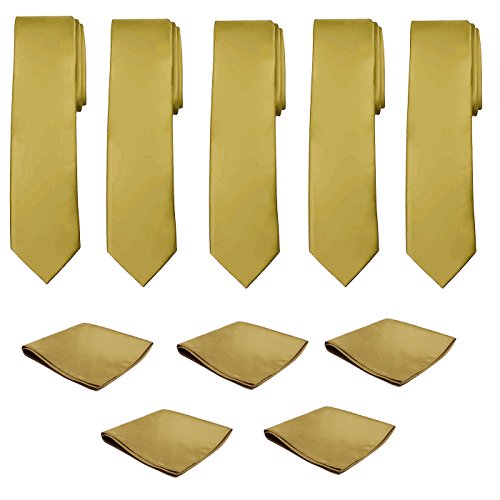
This is a key differentiator. The groom can wear a different tie (e.g., a patterned tie while groomsmen wear solid, or a different color entirely). Ensure the tie fabric matches the formality of the suit. For a guide on tying the perfect knot, see our simple how-to-tie-a-tie guide.
Shoes
Shoes can make or break an outfit. For formal weddings, leather oxfords or derbies in black or brown are ideal. For a beach or rustic wedding, loafers or even dressy sandals might be appropriate. Check out our guide on groom shoes for more inspiration.
Boutonnieres & Pocket Squares
A boutonniere is a must for groomsmen. It should be a smaller, simpler version of the groom's. Pocket squares add a pop of color and texture. They don't have to match the tie exactly—coordinating is more stylish than matching perfectly.
Seasonal & Venue Considerations
The location and time of year should dictate the fabric and formality of the attire.
- Summer & Beach: Linen, cotton, or lightweight wool. Light colors are essential. Consider mens wedding attire for beach wedding for specific ideas.
- Fall & Winter: Flannel, heavier wool, or velvet. Darker, richer colors like burgundy, forest green, or deep navy are perfect. Layering with vests or sweaters adds warmth and style.
- Formal vs. Semi-Formal: For a semi-formal to formal wedding attire, a suit and tie is standard. For black-tie, a tuxedo is required. For a casual wedding, a button-down shirt and dress pants may suffice.