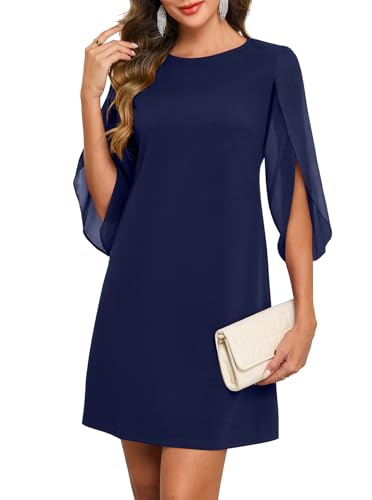
Semi-Formal to Formal Wedding Attire: Master Every Dress Code
Navigate wedding dress codes with confidence. From "semi-formal" to "black tie", discover exactly what to wear as a guest or member of the wedding party.
Decoding wedding dress codes can be one of the most stressful parts of attending a celebration. What exactly does "semi-formal" mean? Is a tuxedo required for "formal"? Can women wear pants to a black-tie event? This comprehensive guide breaks down every level of wedding attire—from relaxed semi-formal to the most elegant black tie—so you arrive dressed appropriately and confidently. Whether you're a guest, a parent of the couple, or a member of the bridal party, understanding these nuances will ensure you look and feel your best.
Wedding Dress Codes: A Complete Breakdown
Wedding invitations typically specify a dress code to help guests understand the expected level of formality. The table below outlines the most common codes, from least to most formal, so you can quickly determine what's appropriate for your next event.
| Dress Code | For Women (She/Her) | For Men (He/Him) |
|---|---|---|
| Semi-Formal / Dressy Casual | Cocktail dress, midi or knee-length dress, elegant jumpsuit, dressy separates (skirt + blouse). Fabrics: chiffon, silk, crepe. Heels or dressy flats. | Suit and tie (lighter colors like gray, tan, or navy), blazer with dress pants, loafers or Oxford shoes. No jeans or sneakers. |
| Formal / Black Tie Optional | Floor-length gown, sophisticated midi dress (ankle-length), elegant cocktail dress. Fabrics: velvet, lace, satin, embellished details. Statement jewelry encouraged. | Dark suit (charcoal, navy, or black) with a white dress shirt and tie. A tuxedo is welcome but not required. Polished leather dress shoes. |
| Black Tie | Full-length formal evening gown. Elegant fabrics (silk, organza, velvet). Gloves and evening bags are optional but add sophistication. Heels required. | Tuxedo with black bow tie, cummerbund or vest, formal dress shirt, and patent leather shoes. No exceptions. |
| White Tie (Rare) | Full-length ball gown, often with trains. White gloves, sophisticated updos, and fine jewelry. Most formal dress code. | Black tailcoat, white bow tie, formal trousers with a stripe, white vest, wing-collar shirt, and patent shoes. |
📌 Pro Tip: When in doubt, it's always better to be slightly overdressed than underdressed. A sophisticated midi dress or a well-tailored dark suit will work for almost all dress codes from semi-formal to black tie optional.
Semi-Formal Wedding Attire: Elegant & Relaxed
Semi-formal (often called "dressy casual") strikes a balance between comfort and sophistication. It's a step above everyday wear but less strict than formal. This dress code is common for afternoon weddings, garden ceremonies, and smaller celebrations.
👗 For Women
What to Wear:
- Cocktail dresses (knee-length or midi) in rich colors or subtle prints
- Elegant jumpsuits with a tailored fit
- Dressy separates: A silk skirt with a beautiful blouse
- Little black dress (LBD) dressed up with accessories
- Shoes: Heeled sandals, block heels, dressy flats, or wedges
What to Avoid:
- Casual sundresses (unless very elevated)
- Denim, shorts, or athletic wear
- Extremely short hemlines
- Overtly casual fabrics like cotton jersey
👔 For Men
What to Wear:
- Suit and tie (lighter colors: gray, navy, tan)
- Blazer with dress pants (chinos are acceptable if tailored)
- Dress shirt (button-down, preferably white or light blue)
- Leather loafers or Oxford shoes
- Tie optional but recommended for a polished look
What to Avoid:
- Jeans (even dark wash)
- T-shirts, polos, or casual shirts
- Sneakers or athletic shoes
- Ill-fitting or overly casual sport coats
For semi-formal weddings, consider the venue when choosing your outfit. A beach or garden wedding allows for lighter fabrics and colors, while a ballroom or evening event calls for deeper tones and more structured pieces. Always check the invitation for any specific theme or color hints.
Formal / Black Tie Optional Wedding Attire
"Formal" and "Black Tie Optional" are often used interchangeably. This dress code signals an elevated evening affair where guests are encouraged to dress their best. A tuxedo is never required but always appreciated, and women should lean toward floor-length elegance.
👗 For Women
What to Wear:
- Floor-length evening gown (chiffon, satin, lace, or velvet)
- Sophisticated midi dress that hits the ankle
- Elegant cocktail dress with luxurious fabric and embellishments
- Formal jumpsuit with wide legs and elegant draping
- Shoes: Heeled pumps, strappy sandals (closed-toe recommended)
- Accessories: Statement jewelry, clutch bag, pashmina or wrap
👔 For Men
What to Wear:
- Dark suit (charcoal, navy, or black) – well-tailored
- Tuxedo (encouraged for Black Tie Optional events)
- White dress shirt with French cuffs (cufflinks optional)
- Silk tie or bow tie – bow tie pairs best with tuxedos
- Polished leather Oxfords or Derbies
- Optional vest or cummerbund for a more formal feel
When attending a formal wedding, pay attention to the time of day. Evening weddings (after 5 PM) call for darker colors and more formal fabrics. Afternoon formal weddings can incorporate lighter shades like dusty blue or sage green. For inspiration, browse our guides on wedding dress trends and suit vs. tuxedo for the groom's party.
Black Tie Wedding Attire: The Ultimate Elegance
Black Tie is the second most formal dress code (after White Tie). When you see "Black Tie" on an invitation, it's a signal to dress in your most elegant evening wear. For men, a tuxedo is non-negotiable. For women, a full-length gown is expected.
⭐ Black Tie Etiquette: This dress code typically applies to weddings starting after 6 PM. Men should wear a black tuxedo, black bow tie, white pleated shirt, and black patent leather shoes. Women should choose an floor-length gown in a formal fabric like silk, velvet, or organza. Sequins and embellishments are welcome!
If you're shopping for a black tie event as a guest, focus on timeless silhouettes and rich colors (emerald, burgundy, navy, or classic black). Avoid overly casual fabrics like cotton or linen. For more detailed guidance, check out our articles on winter black tie guest dresses and black tie attire for men.
Quick Reference: Attire by Gender & Role
- Wedding Guests: Your goal is to complement the wedding party without outshining them. Avoid white, cream, or ivory dresses. For men, avoid wearing black suits if the groom and groomsmen are wearing them – choose charcoal or navy instead.
- Mother of the Bride / Mother of the Groom: Coordinate with the couple but don't overshadow. Elegant floor-length or tea-length dresses in sophisticated colors. Avoid white or the bridal party's colors. See our dresses for mom of the bride guide for inspiration.
- Bridesmaids & Groomsmen: Follow the couple's direction. For semi-formal, shorter dresses and suits without ties may be appropriate. For formal and black tie, floor-length gowns and tuxedos or dark suits are standard.
- The Couple: The bride and groom set the tone. For a semi-formal wedding, the groom might wear a light gray suit. For formal/black tie, a tuxedo or dark suit. The bride's gown should match the formality – simple crepe for semi-formal, dramatic ballgown or lace for formal.
✈️ Destination Weddings: For destination weddings, dress codes often become more relaxed due to climate. A "formal" beach wedding may mean linen suits and flowy maxi dresses rather than heavy fabrics. Always prioritize comfort and venue appropriateness while respecting the stated dress code.
Common Wedding Attire Mistakes (And How to Avoid Them)
Even well-intentioned guests make fashion faux pas. Here are the most common errors and simple fixes to ensure you look respectful and stylish.
- Wearing White or Ivory: This is the number one rule – never wear white, cream, or ivory to a wedding unless specifically asked to by the couple. This includes dresses with white backgrounds or large white patterns.
- Being Underdressed: Showing up in jeans to a "semi-formal" or "cocktail attire" wedding is disrespectful. When in doubt, add a tie, a jacket, or a more formal accessory.
- Overly Casual Footwear: Sneakers, flip-flops, and dirty or scuffed shoes ruin an otherwise great outfit. Invest in dress shoes that are polished and appropriate for the venue.
- Ignoring the Venue & Season: A heavy velvet gown in July or a linen suit in December shows a lack of consideration. Always check the weather forecast and venue style (ballroom, barn, beach) before choosing fabrics.
- Forgetting Proper Fit: An ill-fitting suit or a too-tight dress is distracting. Take the time for alterations – a tailored look always appears more elegant and respectful.