Wedding Menu Cards: Elegance & Practicality for Your Reception
From formal plated dinners to rustic buffets — design menu cards that wow guests, respect dietary needs, and keep your budget intact.
Jump to Section
Why Thoughtful Menu Cards Elevate Your Wedding
Wedding menu cards do more than list food options — they are an extension of your stationery suite and a practical tool for guests. Whether you’re serving a plated dinner, family-style feast, or grazing buffet, a beautifully designed menu card reassures guests with dietary restrictions, builds anticipation for the meal, and adds a sophisticated layer to your tablescape. Many couples overlook this detail, yet it’s often one of the first items guests pick up at their seat. When you coordinate your menu cards with wedding invitations and place cards, you create a cohesive visual story that feels polished and intentional.
Moreover, a clear menu helps your caterer and waitstaff communicate efficiently, especially if you’ve included allergy icons or vegetarian indicators. According to wedding planners, 68% of guests appreciate seeing the menu in advance, especially when multiple entree options exist. Read on to discover the best materials, styles, and money-saving strategies — so you can allocate your budget toward other priorities like exceptional catering or signature cocktails.
Popular Types of Wedding Menu Cards
📄 Single-Sided Card
Classic flat card (4"x6" or 5"x7") placed atop the dinner plate or napkin. Perfect for simple menus with 3–5 courses. Budget-friendly and easy to print at home.
🏷️ Tented / Folded Tent
Bi-fold card that stands on its own. Ideal for tables with limited space or family-style meals where guests pass dishes. Double-sided printing allows the menu to be visible from both ends.
📜 Tri-Fold Brochure
Elegant for multi-course galas or when you want to include a welcome note, wine pairings, and a "thank you" message. Gives a luxurious booklet feel.
✨ Acrylic or Glass Menu
Laser-engraved or printed on clear acrylic — modern and sleek. Reusable as a keepsake. Higher investment but perfect for contemporary, minimalist weddings.
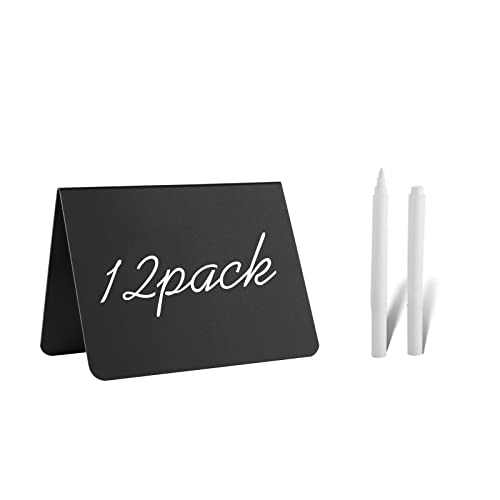
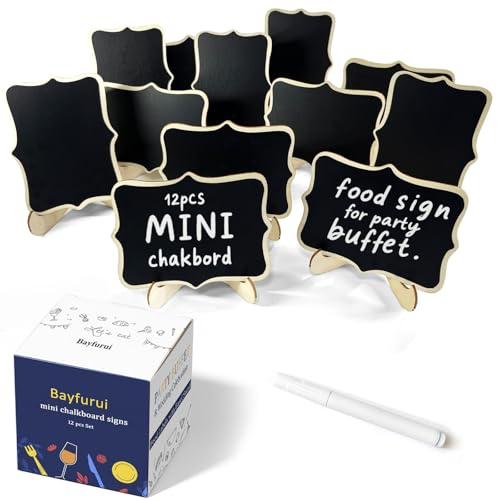
🍃 Chalkboard / Easel Sign
Instead of individual cards, a large shared menu board at the entrance or buffet station. Great for casual, rustic, or outdoor receptions. Saves paper and printing costs.
🌸 Floral-Accent Cards
Menu cards tied with dried lavender, cotton twine, or a small sprig of greenery. Adds a sensory touch that matches your boho or garden wedding theme.
Materials & Finishes: Texture That Impresses
The paper quality and finish affect both the look and cost. Here are the most popular options for wedding menu cards, with average price ranges per 100 pieces:
• Matte cardstock (110 lb+) – $30–$70: soft, elegant, no glare.
• Semi-gloss / satin – $40–$90: vibrant colors, slight sheen.
• Recycled kraft paper – $25–$55: rustic, eco-friendly, perfect for barn weddings.
• Felt finish / textured – $80–$150: luxe, letterpress-friendly.
• Vellum overlay – $120–$220: translucent overlay adds romance and depth.
• Acrylic / wood veneer – $200–$600+ for custom laser engraving.
For a premium look without breaking the bank, choose 300gsm matte cardstock with subtle deckled edges. If you’re ordering from an online printer, always request a physical sample pack — colors and textures look different on screen. And don't forget to check our recommended wedding supplies for trusted vendors and DIY toolkits.
Design Styles That Match Your Wedding Vibe
🌿 Modern Minimalist
Clean sans-serif fonts, plenty of negative space, monochromatic palettes (black & white, sage & cream). Emphasizes clarity and sophistication.
🌹 Romantic Floral
Watercolor blooms, script calligraphy, soft blush or terracotta hues. Coordinates beautifully with ceremony flowers and centerpieces.
🏚️ Rustic Charm
Kraft paper, wood grain borders, handwritten-style fonts. Pair with twine or mini pinecones for a countryside touch.
✨ Art Deco / Glam
Geometric lines, gold foil accents, deep jewel tones (emerald, navy). Perfect for black-tie or Gatsby-themed receptions.
If you’re unsure which direction to take, browse classic traditional wedding designs or search for digital templates on Etsy that match your wedding colors. Many templates cost under $15 and allow unlimited edits.
Menu Wording: What to Include (and What to Skip)
Great menu cards balance formality with friendliness. A standard layout includes:
- Header: "Menu" or "Celebrating the Marriage of [Names]" or the wedding date.
- Course names: Appetizer / Entrée / Dessert. If offering multiple entree choices, list them with identifiers (e.g., "Herb-Crusted Salmon").
- Dietary icons: Gluten-free (GF), vegetarian (V), vegan (VG), nut-free (NF) – simple symbols help guests instantly identify safe options.
- Wine pairing (optional): Mention suggested wine alongside each course for fine dining.
- Closing line: "Bon Appétit" or "With gratitude, [Couple's names]".
— Starter —
Burrata with heirloom tomatoes & basil (V)
— Main —
Pan-seared filet mignon, rosemary demi-glace | Wild mushroom risotto (GF, V option available)
— Dessert —
Warm chocolate lava cake with raspberry coulis
*Please advise your server of any allergies.
For additional guidance on wedding-day communication, read our full wedding etiquette guide — it covers everything from guest preferences to parent announcements.
DIY or Pro Printing? How to Save $100+
You can create stunning menu cards without a professional stationer. Here’s a comparison to help you decide:
✂️ DIY (Home Print + Cut)
Cost: $20–$60 for 100 cards (paper + ink).
Pros: Full control, instant revisions, no minimum orders.
Cons: Requires good printer, time for trimming, possible ink smudges.
Best for: Intimate weddings, rustic styles, tight budgets.
🖨️ Local / Online Printer
Cost: $90–$250 for 100 cards (basic to premium).
Pros: Professional finish, custom shapes, foil & letterpress options.
Cons: Higher cost, longer lead time (7–14 days).
Best for: Formal weddings, large guest counts, specialty papers.
Many couples split the difference: design using Canva or Adobe Express, then upload to a print-on-demand service like Canva Print, Vistaprint, or Moo. For under $100 you can get crisp, double-sided menus on premium cardstock. If you decide to DIY, invest in a paper trimmer and a bone folder for crisp folds. And don’t forget to match your menu cards with creative table numbers and place cards for a cohesive look.
How Much Should You Budget for Menu Cards?
Pricing depends on quantity, design complexity, and materials. Based on current market averages (2026):
- Digital download template + home print: $15–$30 + $10–$25 for paper = $25–$55 total for 75–100 cards.
- Basic flat printing (no foil, standard cardstock): $0.80–$1.50 per card → $80–$150 per 100.
- Premium letterpress or foil-stamped: $3–$6 per card → $300–$600+ for 100 cards.
- Acrylic or laser-cut wooden menus: $8–$15 each → mostly for small head tables (8–12 pieces).
Allocate around 1–2% of your total wedding budget to stationery (invites + menus + place cards). Check out our comprehensive wedding budget breakdown to see where else you can trim costs without sacrificing elegance.
Frequently Asked Questions About Wedding Menu Cards
Still have questions? Visit our comprehensive wedding planning hub for checklists, vendor tips, and real wedding inspiration.