Indian Outfit for Wedding: A Complete Guide to Ethnic Wear
"Dress to impress at the most vibrant celebrations. Discover the perfect Indian outfit for your next wedding."
Attending an Indian wedding is a spectacular experience filled with color, music, and tradition. One of the most exciting parts is choosing what to wear. Unlike Western weddings where a simple cocktail dress or suit is standard, Indian weddings often span multiple days and involve several distinct ceremonies, each with its own style of dress. This guide will help you navigate the options, from the timeless elegance of a saree to the regal charm of a sherwani, ensuring you feel confident and respectful at every event.
Understanding the Indian Wedding Dress Code
Key Takeaway: Indian wedding attire is about more than just clothing; it's about participating in a cultural celebration. While there are no strict universal rules, the guiding principle is to dress modestly and vibrantly. The goal is to celebrate with the couple, and your outfit is a beautiful way to show your respect and joy.
Indian weddings are a riot of colors, and your outfit should reflect that festive spirit. Bright, bold colors like reds, pinks, oranges, greens, and blues are highly encouraged. You'll notice that traditional Indian clothing is designed to be comfortable for long ceremonies, often involving sitting on the floor or dancing. The fabrics are usually breathable, like silk, cotton, or chiffon. The most important thing is to be yourself, but also to embrace the opportunity to dress up in something you might not wear every day.
Elegant Indian Outfits for Women
Women have a stunning array of options for Indian wedding attire, each offering a different silhouette and level of formality. Whether you are a guest, a member of the bridal party, or the mother of the bride, you'll find a style that suits you.
The Saree: A Timeless Classic
The saree is the most iconic Indian garment. It is a long, unstitched piece of fabric, usually 5 to 9 yards, that is draped elegantly around the body. It is paired with a fitted blouse (choli) and a petticoat. For a wedding, you can choose from a variety of fabrics, such as Kanjivaram silk, Banarasi silk, chiffon, or georgette. A pre-stitched saree is an excellent option for first-timers, as it is easy to wear and gives you the same elegant look. If you are looking for a complete guide, you can learn more about Indian wedding saree options and draping styles.
The Lehenga: Regal and Grand
A lehenga is a three-piece set consisting of a long, voluminous skirt (lehenga), a fitted blouse (choli), and a dupatta (scarf). It is a popular choice for the bride's friends and family. Lehengas come in various styles, from heavily embroidered bridal pieces to lighter, more comfortable versions for guests. For a guest, a mid-range or premium lehenga in a vibrant color like coral or emerald green is a fantastic choice. You can also consider a half-up half-down hairstyle to complement the traditional look.
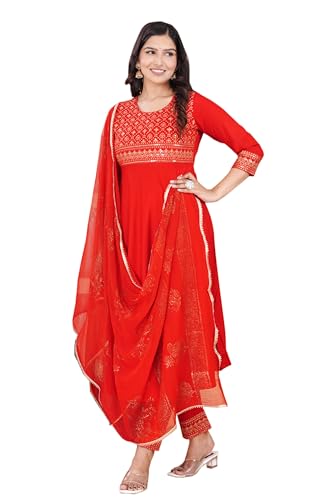
The Anarkali Suit: Flowing Elegance
An Anarkali suit is a floor-length, frock-style dress that flares out from the waist. It is a beautiful and comfortable option, often paired with a churidar (fitted pants) and a dupatta. It's a great alternative if you want the elegance of a gown with the comfort of a traditional suit. This style is perfect for a guest who wants a more modest yet glamorous look.
💡 Pro Tip for Women: When choosing an outfit, consider the time of day. For a daytime ceremony, lighter fabrics and colors like yellow, orange, or turquoise are beautiful. For an evening reception, you can go for richer fabrics like velvet or silk in deeper jewel tones like ruby red, emerald green, or royal blue.
Regal Indian Outfits for Men
Men also have a range of distinguished options that can make them look like royalty. Moving beyond the standard suit, Indian ethnic wear for men is all about structure and elegant details.
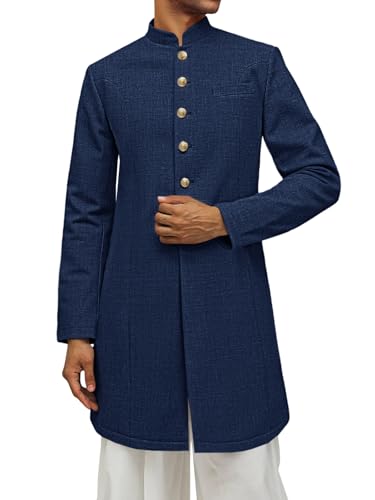
The Sherwani: The Ultimate Formal Choice
A sherwani is a long, coat-like garment that falls just below the knee. It is the most formal option for men and is often worn by the groom. For a guest, a well-fitted sherwani in a rich color like maroon, navy, or gold is an excellent choice for the main ceremony. It is typically paired with a churidar (fitted trousers) and a dupatta. You can accessorize it with a groom accessories set, like a brooch or a pocket square, to elevate the look.
The Bandhgala: Sophisticated and Sharp
A bandhgala, or Jodhpuri suit, is a formal closed-neck jacket. It is a sophisticated fusion of Western tailoring and Indian aesthetics. It can be worn with formal trousers, making it a more versatile option than a sherwani. A well-tailored bandhgala in a neutral color like black, grey, or beige can be a smart investment for multiple weddings. Pair it with polished groom shoes for a complete look.
The Kurta Pajama: Comfortable and Classic
For less formal events like a Sangeet or a Haldi ceremony, a kurta pajama is a perfect choice. A kurta is a long, loose tunic, and it is paired with a comfortable pajama (loose trousers) or churidar. You can wear it on its own or layer it with a Nehru jacket for a bit more formality. This is a great, comfortable option that still looks very stylish.
Outfit Ideas by Ceremony
Many Indian weddings include several pre-wedding and post-wedding events. Here’s a quick guide to what to wear for each:
- Mehndi: This is a relaxed, daytime event. Think bright, cheerful colors. For women, a simple kurta, a light lehenga, or a colorful saree works well. For men, a casual kurta or a t-shirt with jeans is acceptable.
- Sangeet: An evening of music and dance. This is the time to get a bit more glamorous. Women can wear a sparkly lehenga, a stylish saree, or an Anarkali. Men can wear a stylish kurta with a Nehru jacket or a bandhgala.
- Haldi: A daytime ceremony where turmeric is applied to the couple. Wear something you don't mind getting a little stained. Yellow is an auspicious color for this event. Simple kurtas for men and light suits for women are ideal.
- Wedding Ceremony: This is the main event. Dress your best. For women, a rich silk saree or a heavy lehenga. For men, a formal sherwani or a well-tailored bandhgala.
- Reception: The most formal event. Women can wear a glamorous gown, a sleek saree, or a modern lehenga. Men can opt for a tuxedo, a sharp suit, or a formal bandhgala.
Essential Accessories & Jewelry
The right accessories can transform your outfit. For women, this means jewelry. A statement necklace, earrings, and bangles are essential. You can also add a maang tikka (a hair accessory) or a nose ring for a more traditional look. A potli bag (a small drawstring bag) is both stylish and practical. For men, a pair of mojari or jutti (traditional shoes) are a must. A pocket square, a brooch, and a good watch can complete the ensemble. Don't forget about footwear; while heels for wedding are common, a comfortable pair of flats or block heels might be a lifesaver for long ceremonies.
Dress Code Etiquette & Tips
Important Etiquette: While Indian weddings are vibrant and celebratory, there are a few etiquette rules to keep in mind. Avoid wearing all white or all black, as these colors are traditionally associated with mourning or specific religious ceremonies. Also, be mindful of modesty, especially in religious settings. When in doubt, it's always best to ask the couple or check the wedding website for specific dress code guidance. For more general tips, you can refer to our guide on traditional wedding etiquette.
Lastly, remember that comfort is key. You will likely be sitting on the floor, dancing, and standing for long periods. Choose fabrics that breathe and styles that allow you to move freely. If you are wearing a saree for the first time, practice draping it before the event, or opt for a pre-stitched one. The most important thing is to enjoy the celebration, and your beautiful outfit is just a part of the experience.