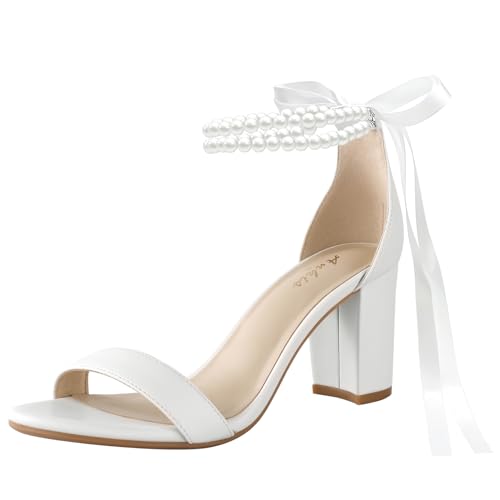
Heels for Wedding: The Complete Comfort & Style Guide
"Walk down the aisle in confidence. Discover how to choose heels you'll love wearing from 'I do' to the last dance."
Your wedding shoes are arguably the most important accessory you will wear on your big day. Unlike your dress, which you primarily stand and walk in, your heels must support you through hours of standing, walking, dancing, and celebrating. The wrong pair can leave you in agony by cocktail hour—but the right pair can keep you comfortable and confident from your first step down the aisle to your final send-off.
Whether you dream of sky-high stilettos or prefer a practical block heel, this guide will walk you through everything you need to know about selecting heels for wedding day success. We will cover heel heights, types for different venues, comfort strategies, and how to break them in properly so there are no surprises on your wedding day.
Why Your Wedding Heels Matter More Than You Think
Many brides spend months obsessing over the perfect dress but treat shoes as an afterthought. This is a mistake. Your wedding heels affect your posture, your comfort level, and even how your dress drapes and moves. They also appear in countless photographs—from the classic "shoes peeking out from under the dress" shot to candid moments of you dancing.
Beyond aesthetics, the practical reality is that you will likely be on your feet for 8 to 12 hours on your wedding day. If your shoes are uncomfortable, it will show in your face, your body language, and your energy level. Choosing the right pair is an investment in your overall experience. For brides still deciding on their complete look, our guide on choosing the perfect gown for the bride can help you visualize how different shoe styles complement various dress silhouettes.
Did You Know? The average bride takes over 10,000 steps on her wedding day. That is roughly 5 miles of walking, standing, and dancing. Your heels need to be up to the challenge.
Choosing the Right Heel Height
Heel height is the single most important factor in determining how comfortable your wedding shoes will be. The higher the heel, the more pressure is placed on the balls of your feet and your lower back. However, lower heels are not automatically better—a poorly designed low heel can be just as uncomfortable as a well-crafted high one.
Kitten Heels (1-2 inches)
Perfect for brides who want a hint of elevation without sacrificing comfort. Kitten heels offer a vintage, elegant look and are ideal for outdoor ceremonies or brides who are not accustomed to wearing heels. They provide stability while still elongating the leg slightly.
Mid Heels (2-3 inches)
The sweet spot for most brides. Mid-height heels offer the best combination of elegance and wearability. You get a flattering lift without the strain of a higher heel. This height works beautifully with most dress silhouettes, from A-line to mermaid styles.
High Heels (3-4 inches)
A classic choice for brides who want that dramatic, elongated look. High heels photograph beautifully and can make even a simple dress look red-carpet ready. However, they require more breaking in and are best suited for indoor venues with smooth flooring.
Ultra-High Heels (4+ inches)
For the bride who prioritizes fashion above all else. Ultra-high heels make a bold statement and are perfect for brides who regularly wear high heels and are confident in them. Consider a platform sole to reduce the actual arch angle and improve comfort.
💡 Pro Tip: A good rule of thumb is to choose a heel height you can comfortably walk in for at least 4 hours straight. If you have never worn 4-inch heels for an extended period, your wedding day is not the time to start.
Heel Types for Every Venue & Style
The type of heel—not just the height—plays a huge role in comfort and practicality. Here is how to match your heel type to your wedding venue and personal style.
Stiletto Heels
The most classic and elegant option. Stilettos feature a thin, tapered heel that creates a sleek, sophisticated silhouette. They are perfect for indoor venues with hardwood, tile, or carpeted floors. However, stilettos are notoriously difficult to walk in on grass, gravel, or cobblestones—the thin heel will sink or get stuck. If your heart is set on stilettos but your venue is outdoors, consider heel protectors or a wider heel style.
Block Heels
The most practical choice for outdoor and mixed-terrain weddings. Block heels feature a thicker, more stable heel that distributes weight evenly and does not sink into grass or gravel. They offer superior stability and are significantly more comfortable for long periods of standing. Modern block heels come in countless stylish designs, so you do not have to sacrifice aesthetics for comfort. For grooms looking for complementary footwear, our guide on groom shoes offers similar practical advice.
Wedge Heels
A solid wedge provides the height of a heel with the stability of a flat. Wedges are excellent for beach weddings, garden ceremonies, and any venue where you need maximum stability. They are also a great choice for brides who want height but struggle with balance in traditional heels.
Kitten Heels
A petite, low heel that offers a touch of elegance without the discomfort of higher styles. Kitten heels are ideal for brides who want a vintage-inspired look or who need to prioritize comfort above all else. They work beautifully with tea-length and midi dresses.
Platform Heels
A platform sole under the toe area reduces the angle of your foot in the shoe, making high heels more comfortable to wear. Platforms are a favorite among brides who want the look of a high heel without the extreme arch strain.
Comfort Secrets Every Bride Should Know
Even the most beautiful heels can become torture devices after a few hours. Here are the strategies savvy brides use to stay comfortable all day long.
Before the Wedding
- Shop in the afternoon: Feet swell throughout the day. Shopping for heels in the late afternoon ensures a more accurate fit.
- Measure both feet: Most people have one foot slightly larger than the other. Always fit to the larger foot.
- Look for padding: Brands that include cushioned insoles or memory foam lining are worth the investment.
- Consider the material: Leather and satin are more breathable than synthetic materials. Leather also stretches to mold to your foot over time.
- Check the heel placement: The heel should be positioned directly under your heel bone for proper balance and support.
On the Wedding Day
- Use gel inserts: Gel pads for the balls of your feet and heel grips can dramatically improve comfort.
- Apply anti-blister balm: Products designed to reduce friction can prevent blisters before they start.
- Keep blister bandages handy: Have a bridal emergency kit with blister patches ready for quick fixes.
- Elevate your feet during breaks: When you sit down, prop your feet up to reduce swelling.
- Stay hydrated: Dehydration can cause feet to swell more. Drink plenty of water throughout the day.
The Ice Trick: If your shoes feel slightly tight, fill small plastic bags with water, place them inside the shoes, and freeze overnight. As the water freezes, it expands and gently stretches the material. This works best with leather and fabric shoes.
How to Break In Your Wedding Heels
Never wear brand-new heels on your wedding day. Breaking them in is essential to prevent blisters, discomfort, and potential tripping. Here is a step-by-step approach.
- Start early: Begin breaking in your heels at least 2-3 weeks before the wedding.
- Wear them indoors first: Start with 15-20 minutes around the house on carpeted floors. This softens the material without exposing them to dirt.
- Gradually increase time: Add 10-15 minutes each day. By the end of the first week, you should be able to wear them for an hour comfortably.
- Move to harder surfaces: Once they feel comfortable indoors, wear them on tile or hardwood to simulate venue conditions.
- Practice walking: Walk up and down stairs, practice standing for extended periods, and even dance a little. This helps you get used to the heel height and balance.
- Use stretching tools: If specific areas feel tight, use a shoe stretcher or take them to a cobbler for professional stretching.
💡 Remember: The goal is not to make the shoes feel like slippers—heels will always feel like heels. The goal is to eliminate friction points, soften stiff materials, and ensure you can walk confidently without pain.
The Backup Plan: Flats & Alternate Shoes
Even with the most comfortable heels, many brides choose to switch into something more practical for the reception. This is a smart strategy, not a sign of weakness. Having a backup pair of shoes ensures you can dance the night away without worrying about your feet.
Consider these options for your reception footwear:
- Ballet flats: Elegant, comfortable, and easy to dance in. Many brides choose a sparkly or embellished pair that complements their wedding aesthetic.
- Wedding sneakers: A trendy option for modern brides. Customized sneakers with "Mrs." or your wedding date are both practical and photogenic.
- Sandals: Perfect for beach or outdoor weddings. A dressy flat sandal can be just as elegant as a heel.
- Block heel booties: A stylish compromise for fall or winter weddings. They offer more stability than stilettos while still providing height.
If you are planning a full outfit change for your reception, our guide on dresses for the bride to wear at the reception can help you coordinate your second look with your backup shoes.
For brides who want to ensure their entire bridal party looks coordinated, consider how your shoe choice fits with the overall aesthetic. Our articles on matching groomsmen attire and bridesmaid hairstyles offer additional styling inspiration.