Wedding Table Centerpieces: Ideas for a Stunning Reception
"Transform your reception tables into works of art. Discover how to choose, style, and create centerpieces that leave a lasting impression on your guests."
The wedding reception is where your guests will spend hours celebrating, dining, and making memories. The centerpieces on each table are more than just decoration—they set the tone, tie your theme together, and serve as the visual anchor for every guest's experience. A well-designed centerpiece can make a simple table feel luxurious, while a poorly planned one can block sightlines and clutter the space.
Whether you're dreaming of towering floral arrangements or intimate candlelit clusters, this guide will walk you through the key design principles, the best height options, and creative ideas for every style. We'll also show you how to achieve a high-end look with a smart wedding supply strategy, proving that beautiful decor doesn't have to be complicated.
Design Principles for Stunning Tables
Before you choose a single flower or vase, it's essential to understand the fundamental rules of table design. These principles will help you create centerpieces that are not only beautiful but also functional and guest-friendly.
The Golden Rule of Sightlines: Your centerpieces should never prevent guests from conversing across the table. The ideal height for a "low" centerpiece is under 12 inches. If you prefer a "tall" arrangement, ensure the base is narrow enough that guests can see each other, or keep the flowers above eye level (typically 24-30 inches from the tabletop).
Another key principle is cohesion. Your centerpieces should complement the overall wedding colors and theme. For example, a rustic barn wedding might feature wooden crates and wildflowers, while a formal ballroom wedding would look better with crystal vases and classic roses. If you're planning a modern minimalist wedding, consider clean-lined geometric vases with a single stem or a cluster of small candles.
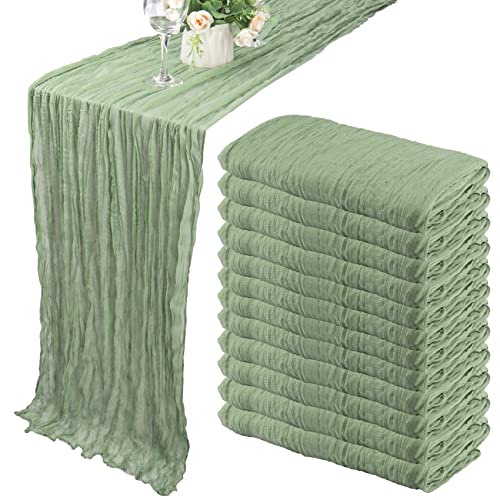
Finally, consider the shape of your tables. Round tables work best with a single, impactful centerpiece or a symmetrical cluster of three items. Long rectangular tables, on the other hand, can handle a continuous runner of greenery and candles, creating a dramatic, communal feel. For more inspiration on setting the scene, explore our guide to wedding decor ideas.
Tall vs. Short: Finding the Right Height
The height of your centerpiece is one of the most important decisions you'll make. Each option has its own distinct advantages and aesthetic.
Tall Centerpieces
Best for: Grand ballrooms, large open venues, and creating a dramatic visual impact.
Tall arrangements, often on slender vases or stands, draw the eye upward and make a room feel more spacious. They are excellent for high ceilings and add a touch of formal elegance. Just be sure to keep the base narrow so guests can still see each other. These are a staple for a black-tie wedding reception.
Short Centerpieces
Best for: Intimate gatherings, long family-style tables, and encouraging conversation.
Low arrangements, typically under 12 inches tall, are perfect for fostering a sense of intimacy. They don't block anyone's view, making them ideal for smaller venues or long tables where guests are seated across from one another. A cluster of small vases with blooms or a low bowl of greenery are classic examples.
Many couples choose a mix of both. For example, you might use tall centerpieces on the outer tables and a low, continuous runner on the head table. This creates visual interest and balances the room. If you're looking to rent tables and chairs for your reception, you can read our guide on rent tables and chairs for wedding for more tips on logistics.
Romantic Floral Centerpiece Ideas
Florals are the quintessential choice for wedding centerpieces. They bring color, fragrance, and a touch of nature to your reception. The key to a stunning floral centerpiece lies in the selection of blooms and the style of the arrangement.
The Lush, Organic Look
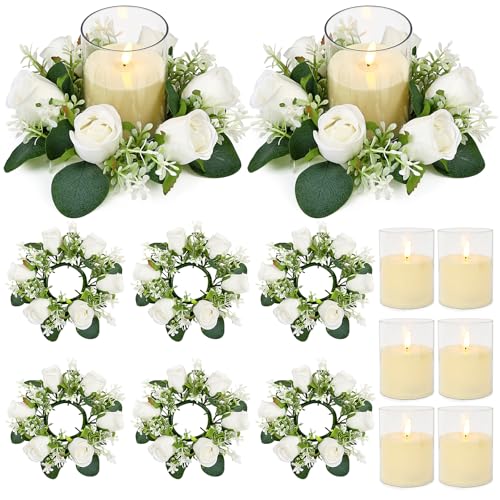
This style is all about abundance and movement. Think loose, garden-style arrangements with a variety of blooms in different stages of opening. Popular choices include garden roses, peonies, ranunculus, and white roses for wedding elegance. These are often paired with trailing greenery like eucalyptus or ivy to create a sense of natural beauty. This look is particularly popular for boho wedding ideas and outdoor ceremonies.
The Classic & Elegant Look
For a more traditional feel, consider a tight, dome-shaped arrangement of a single flower type, such as roses or hydrangeas. This style is clean, formal, and always in fashion. A classic choice is a cluster of white roses in a silver or crystal vase. This look pairs beautifully with a formal ballroom or a classic traditional wedding theme.
💡 The "Flower Budget" Tip: If you love the look of lush florals but want to make your budget go further, consider using large, inexpensive blooms like hydrangeas or mums as your base, and then accent them with a few high-end statement flowers like peonies or garden roses. This technique gives you the best of both worlds.
Creative Non-Floral Centerpieces
Non-floral centerpieces are a fantastic way to save on your budget, extend the life of your decor, and add a unique, personal touch to your reception. They can be just as elegant and impactful as floral arrangements.
Candlelit Glow
Nothing creates a romantic atmosphere quite like candlelight. A cluster of pillar candles in varying heights on a mirrored tray or a collection of vintage brass candlesticks can be breathtaking. It's simple, elegant, and a more budget-friendly option. Just be sure to check your venue's open-flame policy. If candles aren't allowed, LED candles are a fantastic alternative.
Greenery & Branches
Lush greenery is an incredibly popular and affordable option. A low garland of eucalyptus running down a long table, or a simple vase filled with olive branches, can be striking. It brings a fresh, organic feel that works for a rustic wedding decor or a modern, minimalist setting. You can also use tall branches with hanging tea lights for a dramatic, ethereal effect.
Other creative non-floral ideas include collections of vintage books, bowls of seasonal fruit, or elegant table lamps. For a fun, personalized touch, you could incorporate small photos of you and your partner at each table. If you're looking for more unique decor elements, our custom wedding signage guide might spark some ideas.
DIY Tips: Save on Centerpieces
One of the most effective ways to save on your wedding is by taking a DIY approach to your decor. Creating your own centerpieces can be a fun and rewarding project, but it requires some planning. Here is a foolproof method used by many crafty couples.
The "Assembly Line" Method
Treat your centerpiece creation like a production line. This will save you time and ensure consistency across all tables.
- Prep your vessels: Clean and set out all your vases or containers in a large workspace.
- Create an assembly line: Set up stations for each element of your design (e.g., one station for greenery, one for focal flowers, one for filler flowers).
- Bulk-buy your materials: This is the most critical step. Purchase your flowers, greenery, candles, or other materials in bulk from a supplier. For high-quality silk florals, look for online retailers that specialize in wedding supplies.
- Assemble in steps: Move your containers down the line, adding the designated element at each station. This ensures every centerpiece looks the same and you don't forget a step.
What You Need to Buy:
• Vases or Containers (bulk)
• Floral Foam or Water Tubes (if using real flowers)
• Silk Flowers & Greenery (bulk)
• Floral Wire & Tape
• Scissors/Shears
For all your DIY needs, check out our curated wedding supplies list below!
Remember to consider the logistics. If you're building real floral centerpieces, you'll need a cool space to store them overnight. For high-quality silk florals, you can assemble them weeks in advance, which is a major stress reliever. If you are planning a wedding with a lot of moving parts, you might want to consider a day-of coordinator to help manage the setup.