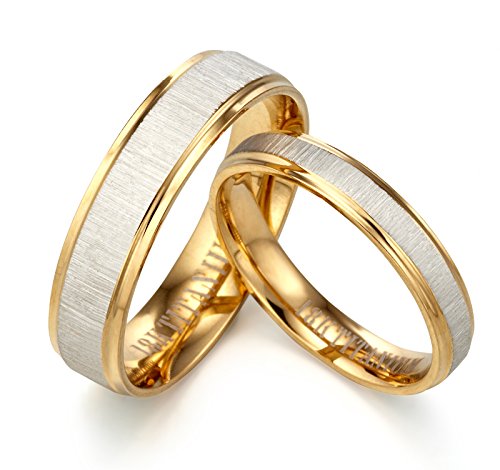
His and Hers Wedding Bands Sets: A Complete Guide
"Two rings, one story. Discover how to choose matching wedding bands that reflect your shared commitment and individual style."
Choosing wedding bands is one of the most meaningful decisions you will make as a couple. While the engagement ring often takes center stage during the proposal, the wedding band is what you will wear every single day for the rest of your life. For many couples, the idea of his and hers wedding bands sets offers a beautiful way to symbolize unity while still honoring each person's individual taste.
Unlike identical rings that force both partners into the same design, his and hers sets are coordinated pairs that share common design elements—such as metal, finish, or a subtle motif—while differing in width, profile, or embellishment to suit different hands and preferences. This guide will walk you through everything you need to know to choose the perfect matching set for your marriage.
Why Choose His and Hers Sets?
The tradition of matching wedding bands dates back centuries, but modern couples have redefined what "matching" means. Today, it is less about wearing identical rings and more about creating a visual connection between two bands that tells a shared story.
There are several compelling reasons to consider a coordinated set:
- Symbolic Unity: Matching elements on both rings serve as a daily reminder of your partnership. Even if the rings are not identical, the shared design language creates a sense of belonging to one another.
- Photographic Cohesion: In wedding photos, coordinated rings look intentional and elegant. Detail shots of hands together—a popular composition for wedding photography—benefit from rings that complement each other.
- Simplified Shopping: Buying a set often streamlines the decision-making process. You can compare options side by side, ensure metals and finishes align, and often find package pricing that offers better value than purchasing two separate rings.
- Flexibility Within Structure: Unlike strictly identical bands, his and hers sets allow each partner to choose a width and style that feels comfortable. A wider, plain band for him and a slimmer band with a diamond accent for her can still share the same metal and finish.
It is worth noting that not every couple chooses matching bands. Some prefer completely independent designs that reflect distinct personalities. There is no right or wrong approach—only what feels authentic to you as a couple. However, if you are drawn to the idea of a coordinated look, his and hers sets offer the perfect balance of togetherness and individuality.
Choosing the Right Metal for Both Rings
The metal you choose is the single most important factor in creating a cohesive set. It determines the color, durability, and overall aesthetic of both rings. Here are the most popular options for couples today:
White Gold
White gold is a classic choice for matching sets. It offers a bright, silvery appearance that pairs well with diamonds and other gemstones. White gold is typically alloyed with palladium or nickel and plated with rhodium for extra whiteness and scratch resistance. Over time, the rhodium plating may wear off and require re-plating, but this is a simple process. For couples who want a timeless, versatile look, white gold is an excellent option. You can explore men's white gold wedding bands and matching women's styles to create a coordinated set.
Yellow Gold
Yellow gold is the traditional choice for wedding bands, and it has seen a major resurgence in recent years. Its warm, rich color complements all skin tones and never goes out of style. Yellow gold is naturally resistant to tarnishing and is softer than white gold or platinum, meaning it may show scratches more easily—but many couples appreciate the patina that develops over time. For a classic, romantic set, yellow gold is hard to beat. Consider gold and white gold wedding bands if you want to mix metals for a two-tone effect.
Rose Gold
Rose gold has exploded in popularity over the past decade. Its pinkish hue comes from copper alloys, giving it a warm, romantic, and slightly vintage feel. Rose gold flatters most skin tones and pairs beautifully with both white and yellow gold. For couples who want a set that feels modern yet timeless, rose gold is a wonderful choice. It also works well for matching wedding bands his and hers designs that incorporate mixed metals.
Platinum
Platinum is the most premium option for wedding bands. It is denser, heavier, and more scratch-resistant than gold. Platinum is naturally white and does not require plating, making it an excellent choice for couples who want a low-maintenance, heirloom-quality set. While platinum is more expensive than gold, its durability means it will last for generations. For a truly luxurious matching set, platinum is the ultimate choice.
Titanium and Tungsten
For couples who prioritize durability and a modern aesthetic, titanium and tungsten are excellent alternatives. Both metals are extremely scratch-resistant and lightweight. Titanium is hypoallergenic and can be polished to a high shine or left with a matte finish. Tungsten is even harder and heavier, with a gunmetal-gray color that appeals to many men. However, neither metal can be easily resized, so it is crucial to get the sizing right the first time. These metals are particularly popular for wedding bands for men who work with their hands or prefer a more industrial look.
Mixing Metals: You do not have to choose the same metal for both rings. Many couples opt for a two-tone approach—for example, a yellow gold band for her and a white gold band for him, with each ring featuring a stripe of the other metal. This creates a subtle connection without requiring identical rings. Explore gold and white gold men's wedding band options for inspiration.
Popular Styles for Matching Sets
Once you have chosen your metal, the next step is selecting a style. Here are the most popular design approaches for his and hers wedding band sets:
Classic Plain Bands
The simplest and most enduring style is the plain band. For him, a wider band (typically 6mm to 8mm) with a comfort-fit interior. For her, a slimmer band (typically 2mm to 4mm) in the same metal and finish. This set is timeless, elegant, and perfect for couples who prefer understated luxury. You can explore matching wedding rings his and hers in classic plain styles.
Diamond-Accented Bands
For a touch of sparkle, consider a set where her band features a row of small diamonds or a single diamond solitaire, while his band remains plain or features a subtle brushed finish. This is one of the most popular configurations for his and hers sets because it allows each ring to feel appropriate for its wearer while maintaining a shared aesthetic. If you want diamonds on both rings, explore men's wedding rings with diamonds for options that incorporate subtle stone settings.
Matching Texture and Finish
Another way to coordinate without being identical is to share a texture or finish. For example, both rings could feature a brushed matte finish, a hammered texture, or a milgrain edge. This creates a tactile connection between the two bands that is both subtle and meaningful. A gold diamond wedding band for men with a brushed finish can pair beautifully with a polished diamond band for her.
Two-Tone and Mixed Metal Sets
Two-tone rings combine two metals—such as yellow gold and white gold, or rose gold and platinum—in a single band. This style is particularly popular for couples who want a set that feels modern and dynamic. A gold and white gold wedding band for him can be paired with a similar two-tone band for her, creating a set that is both coordinated and visually interesting.
Vintage and Milgrain Details
For couples drawn to old-world romance, vintage-inspired bands with milgrain edges, filigree, or engraved patterns offer a timeless beauty. These sets often feature intricate detailing that catches the light and adds depth to the ring. A gold and white gold wedding band with milgrain detailing is a stunning choice for a vintage-inspired set.
Width, Fit, and Comfort Considerations
Wedding bands are worn every day, so comfort is paramount. Here are the key factors to consider when choosing the width and fit for your set:
- Width: Traditional men's bands range from 4mm to 8mm, with 6mm being the most common. Women's bands typically range from 2mm to 4mm. However, these are guidelines, not rules. A man with slender fingers might prefer a 4mm band, while a woman who wants a bolder look might choose a 6mm band. The key is to try on different widths and see what feels comfortable and looks proportionate to your hand.
- Comfort Fit vs. Standard Fit: Comfort-fit rings have a rounded interior that allows the ring to slide over the knuckle more easily and sit more comfortably on the finger. Standard-fit rings have a flat interior. Most modern wedding bands are comfort-fit, and for good reason—they are significantly more comfortable for everyday wear. If you are choosing a wedding band for men in gold, comfort fit is highly recommended.
- Profile: The profile refers to the shape of the band's cross-section. A flat profile is modern and minimalist. A domed profile is traditional and classic. A concave profile curves inward for a modern twist. When choosing a matching set, you can coordinate the profile for a cohesive look, or choose different profiles that suit each person's style.
- Sizing: Getting the size right is critical, especially for metals that cannot be resized (like titanium and tungsten). Fingers can change size due to temperature, time of day, and other factors. It is best to be sized by a professional jeweler at the end of the day when your fingers are at their largest. If you are ordering online, request a ring sizer or visit a local jeweler to confirm your size.
Diamond Accents and Gemstone Options
Adding diamonds or gemstones to your wedding bands can elevate the set and add a personal touch. Here are some considerations:
For her band, a row of small diamonds (known as a pavé or channel setting) adds sparkle without overwhelming the design. A single diamond solitaire set into the band is another elegant option. For a more colorful look, consider sapphires, rubies, or emeralds as accent stones.
For his band, diamonds are increasingly popular, though they are typically more subtle than in women's bands. A single diamond set into a wider band, or a row of small diamonds along the center, can add a touch of luxury while maintaining a masculine aesthetic. Explore wedding rings with diamonds for men for inspiration.
When choosing diamonds, consider the "Four Cs"—cut, color, clarity, and carat weight. For small accent diamonds, cut and clarity are often more important than carat weight, as a well-cut diamond will sparkle more brightly. Lab-created diamonds are an excellent alternative to mined diamonds, offering the same visual appearance at a lower cost and with a smaller environmental footprint. You can explore lab-created diamond band options for a sustainable and beautiful choice.
💡 Pro Tip: If you are buying a matching set with diamonds, consider having the stones set in the same style—for example, both rings featuring a channel setting—to create a visual link between the two bands. This is a subtle but effective way to coordinate your rings.
Personalization and Engraving Ideas
Engraving is a beautiful way to personalize your wedding bands and make them uniquely yours. Most jewelers offer engraving services, and it is a relatively inexpensive way to add significant sentimental value to your rings.
Popular engraving options include:
- Names and Dates: The most common choice is to engrave your partner's name and your wedding date. This is a timeless and meaningful option.
- Coordinates: Engrave the coordinates of where you met, where you got engaged, or where you are getting married. This is a modern and romantic touch.
- Vows or Phrases: A short phrase from your wedding vows or a private saying that only the two of you understand can be engraved inside the band.
- Handwriting: Some jewelers can engrave a copy of your partner's handwriting—perhaps from a love letter or a note—for a deeply personal touch.
- Fingerprint: A fingerprint engraving is a unique and modern option that captures a part of your partner's identity.
When engraving, keep in mind that the space inside a wedding band is limited, especially on narrower rings. Work with your jeweler to choose a font and message that will fit comfortably. For matching sets, consider engraving complementary phrases—for example, "To my forever" on one ring and "To my always" on the other.
Shopping Tips for Buying as a Set
Buying his and hers wedding bands as a set can be a smooth and enjoyable experience if you follow these tips:
- Shop Together: While some couples prefer to surprise each other, shopping for wedding bands together ensures that both partners get a ring they love. You can still keep the final choice a secret if you want, but trying on rings together is the best way to ensure a coordinated look and comfortable fit.
- Set a Budget: Wedding bands can range from budget-friendly to luxury, depending on the metal, diamonds, and brand. Decide on a budget as a couple before you start shopping. Remember that the wedding band is a long-term investment—you will wear it every day—so it is worth spending a little more for quality and durability.
- Consider the Engagement Ring: Her wedding band should complement her engagement ring. If the engagement ring is white gold, a white gold wedding band will match seamlessly. If the engagement ring has a unique shape or profile, consider a curved or contoured wedding band that sits flush against it. If you are looking for a complete set, explore wedding bands and engagement rings set options.
- Ask About Package Pricing: Many jewelers offer a discount when you purchase both bands together. Do not be afraid to ask if there is a set price or a bundle discount.
- Check Return and Exchange Policies: If you are ordering online, make sure you understand the return and exchange policy. Some jewelers offer free resizing, while others charge a fee. For custom or engraved rings, returns may not be accepted, so be sure of your choice before committing.
- Order Early: Custom rings and engraved bands can take several weeks to produce. Order your rings at least two to three months before the wedding to allow time for sizing, engraving, and any adjustments. This is especially important if you are planning a destination wedding or a micro-wedding with a tight timeline.