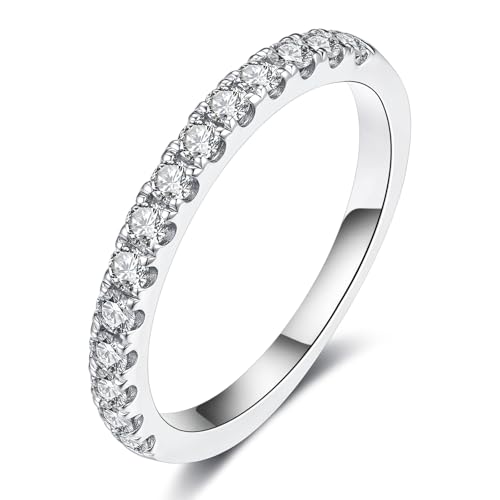
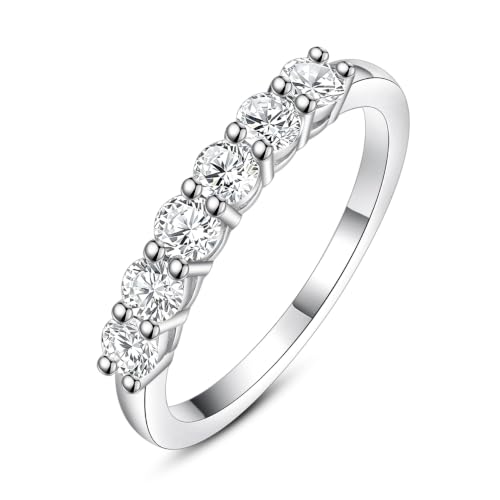
Lab Created Diamond Band: The Complete Buying Guide
"Real diamonds, remarkable sparkle, and a modern choice—everything you need to pick the perfect band."
A lab created diamond band is one of the smartest choices a modern couple can make. It delivers the brilliance, durability, and timeless beauty of a diamond wedding band—without the premium attached to mined stones of similar specifications. Whether you are shopping for a wedding band, an anniversary ring, or a stacking band, lab grown diamonds offer a compelling combination of quality and value.
This guide walks you through everything you need to know: how lab created diamonds differ from mined ones, the most popular band styles, how to read the Four Cs, which metals pair best, and how to care for your band so it sparkles for decades. By the end, you will be ready to shop with confidence and choose a band you will love wearing every day.
What Is a Lab Created Diamond Band?
A lab created diamond band is a ring set with diamonds that were grown in a laboratory rather than formed underground. The process replicates the natural conditions—high heat and pressure—that create diamonds in the earth, but it happens in a controlled environment over a much shorter timeframe. The result is a stone with the same chemical composition, crystal structure, and optical properties as a mined diamond.
In practical terms, this means a lab created band looks, feels, and performs exactly like a mined diamond band. It will not cloud, fade, or lose its sparkle over time. It can be graded by independent labs, certified, and insured just like any other diamond. For couples who want a real diamond engagement ring or wedding band without the heritage premium of mined stones, lab created diamonds are an increasingly popular choice.
Key Point: Lab created diamonds are genuine diamonds. The only meaningful difference is origin. If you are comparing a white gold and diamond wedding band in a lab grown version versus a mined version, the visual difference to the naked eye is effectively zero.
Lab Created vs. Mined Diamond Bands
Understanding how lab created and mined diamond bands compare will help you decide which is right for you. Both are genuine diamonds, but they differ in a few important ways.
- Origin: Lab created diamonds are grown in a controlled environment; mined diamonds are extracted from the earth. This is the only fundamental difference.
- Value Positioning: Lab grown stones typically fall in the mid-range tier for a given set of specifications, while mined stones often sit in the premium tier. This means you can often afford a larger or higher-clarity stone within your preferred tier when choosing lab created.
- Certification: Both can be graded and certified by independent labs. Always ask for a grading report regardless of origin.
- Resale & Heritage: Mined diamonds carry a resale and heritage narrative that some couples value. Lab created diamonds are typically chosen for their quality and value rather than resale potential.
- Durability: Both are equally durable. A lab created diamond is just as hard and scratch-resistant as a mined diamond.
If you are building a matched set, a lab created band pairs beautifully with a wedding band and engagement ring set, and it can also complement a wedding bands and engagement rings set for a cohesive look across both rings.
Popular Band Styles
The style of your band determines how much sparkle it delivers and how it fits into your daily life. Here are the most popular options for lab created diamond bands.
Half-Eternity Bands
Diamonds are set across the top half of the band, leaving the bottom plain. This is the most practical choice for everyday wear: it is comfortable, easy to resize, and typically falls in the mid-range tier compared to full-eternity designs. Half-eternity bands are excellent for stacking with an engagement ring.
Full-Eternity Bands
Diamonds are set all the way around the band for continuous sparkle. Full-eternity bands are glamorous and formal, but they cannot be easily resized, so precise sizing is essential. They sit in the premium and luxury tiers and are a favorite for anniversaries and milestone gifts.
Channel-Set Bands
Diamonds are set between two metal rails, creating a sleek, modern look with a smooth surface that will not snag on clothing. Channel settings are protective and practical, making them ideal for active lifestyles.
Prong-Set Bands
Each diamond is held by small metal prongs, maximizing light exposure and sparkle. Prong-set bands are classic and brilliant, but the prongs require periodic checking to ensure the stones remain secure.
Bezel-Set Bands
Each diamond is wrapped in a metal rim, offering maximum security and a contemporary look. Bezel settings are excellent for anyone who works with their hands or wants a low-maintenance band.
Stacking & Thin Bands
Thin lab created diamond bands are a favorite for stacking, mixing metals, and adding subtle sparkle. They pair beautifully with a round brilliant cut diamond engagement ring or an oval diamond ring with diamond band for a coordinated, layered look.
The Four Cs for Diamond Bands
Even though a band contains many smaller diamonds rather than one large center stone, the Four Cs still apply. Here is how to think about them when shopping for a band.
Cut
Cut is the most important factor for sparkle. Look for well-cut stones with excellent or very good proportions. In a band, consistent cut quality across all the stones ensures an even, brilliant line of sparkle.
Color
Small diamonds in a band are typically graded in the G–J range, which appears colorless to the naked eye. If you choose a yellow gold band, you can comfortably go a grade or two lower without noticing warmth—an excellent value-conscious choice. A 14k white gold wedding band pairs especially well with near-colorless stones for a crisp, bright look.
Clarity
In small band stones, clarity is less critical than in a large center stone because inclusions are harder to see. VS1–SI1 stones are typically "eye-clean" and offer excellent value. Prioritize cut over clarity if you must trade off.
Carat
In a band, carat refers to the total weight of all the diamonds combined. A higher total carat weight means larger or more numerous stones and more sparkle. Thin stacking bands typically sit in the entry-level to mid-range tier, while dense full-eternity bands with larger stones sit in the premium and luxury tiers.
💡 Buying Tip: Always ask for a grading report from a recognized independent lab. The certificate confirms the diamonds' specifications and protects your purchase, regardless of whether the stones are lab created or mined.
Choosing the Right Metal
The metal you choose affects durability, color harmony with the diamonds, and long-term maintenance. Here are the most popular options for lab created diamond bands.
- White Gold: The most popular choice for diamond bands because it makes colorless stones appear even whiter. A 14k white gold wedding band offers an excellent balance of durability and value. Note that white gold is rhodium-plated and will need re-plating every few years.
- Yellow Gold: Warm, classic, and low-maintenance. Yellow gold pairs beautifully with diamonds in the G–J color range and never needs re-plating. See gold and white gold wedding band options for mixed-metal ideas.
- Rose Gold: Romantic and trendy, rose gold flatters most skin tones and adds a vintage touch to any band.
- Platinum: The most durable and prestigious option. Platinum is naturally white, hypoallergenic, and develops a lovely patina over time. It sits in the luxury tier for metal choice.
- Alternative Metals: Tungsten carbide rings are popular for men's bands due to their scratch resistance and modern look.
If you are shopping for a men's band as well, explore wedding rings for him and white gold wedding rings for him to build a coordinated set. Couples who prefer a matched look often choose his and hers wedding band sets, while those who love contrast might pair a 24k gold wedding band for men with a delicate diamond band for her.
Pairing Your Band With an Engagement Ring
One of the most important considerations when choosing a diamond band is how it will sit alongside your engagement ring. Here are a few practical tips.
- Consider the setting height. If your engagement ring has a low-set stone, a straight band may not sit flush. A curved or contoured band can accommodate the shape of the center stone.
- Match or complement the metal. Matching the metal creates a seamless look; mixing metals creates a modern, layered effect. Both approaches work beautifully—choose based on your personal style.
- Think about the band width. A band that is too wide can overwhelm a delicate engagement ring. A thin stacking band or a half-eternity band often pairs best with a white gold engagement ring for women.
- Plan for the wedding band early. If you are choosing a bridal ring set his and hers, choose an engagement ring that sits flush with a straight band, or plan for a curved band to accommodate a low-set stone.
- Verify the certificate. A grading report from a reputable lab is your assurance of quality and a valuable document for insurance purposes.
For a coordinated look, consider how your band will pair with a white gold and yellow gold engagement ring or a gold and white gold engagement ring. Both mixed-metal and single-metal pairings can look stunning—the key is intention.
Care & Maintenance
A lab created diamond band is durable and low-maintenance, but it still deserves proper care to keep it sparkling for decades.
- Clean regularly. Soak the band in warm water with a few drops of mild dish soap, then gently scrub with a soft-bristled brush. Rinse and pat dry with a lint-free cloth.
- Avoid harsh chemicals. Chlorine, bleach, and abrasive cleaners can damage metal settings over time. Remove your band before swimming or cleaning.
- Store separately. Keep your band in a soft pouch or separate compartment to prevent scratches from other jewelry.
- Check the settings annually. Have a jeweler inspect the prongs and settings once a year to ensure the stones remain secure.
- Insure the ring. A lab created diamond band is a significant purchase—add it to your homeowner's or renter's insurance policy, or take out a standalone jewelry policy.
If you are also shopping for an engagement ring, our guide to engagement rings for women in diamond and luxury wedding rings will help you build a cohesive set that you will love for years to come.