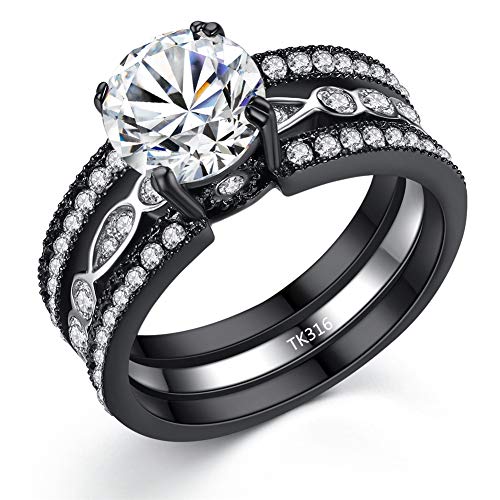
Wedding Bands and Engagement Rings Set: The Ultimate Guide
"Find the perfect pairing. Understand metals, styles, and fit so you can choose a coordinated set you'll love forever."
A wedding band and engagement ring set is more than just two rings—it's a symbol of your commitment, designed to be worn together for a lifetime. Whether you're shopping for a complete bridal set or looking to pair a new wedding band with an existing engagement ring, understanding the key factors will help you make a confident and lasting choice.
In this guide, we break down the essential considerations: metal types, band profiles, stone settings, and comfort fit. By the end, you'll know exactly what to look for—and how to avoid common pitfalls—so you can select a set that fits your style and budget. For a broader overview of ring styles, you may also want to explore our guide to wedding band and engagement ring sets.
Why Choose a Matching Set?
Buying a coordinated set offers several advantages. First, it guarantees a seamless look: the metals, finishes, and design details are intentionally matched, so the rings sit together beautifully. Second, it saves time—you don't have to hunt for a band that complements an existing ring. Third, many sets are designed with a contoured band that wraps around the engagement ring's center stone, providing a flush and comfortable fit.
That said, a set is not for everyone. Some couples prefer the creative freedom of selecting each ring separately, perhaps opting for a vintage or antique wedding ring to pair with a modern engagement ring. If you're unsure, consider starting with the engagement ring and adding the wedding band later—this allows you to see how the rings feel together before committing to a set.
💡 Pro Tip: If you're buying a set online, always check the return policy and ask for real-life photos or videos of the rings together. Lighting and angles can dramatically change how a set looks in person.
Metal Guide: Gold, Platinum, and Beyond
The metal you choose affects durability, maintenance, and appearance. Here's a quick comparison of the most popular options for wedding ring sets:
Yellow Gold: Classic and warm, yellow gold is a traditional choice. It's softer than platinum but easy to polish. 14k and 18k are common for bridal sets; 18k offers a richer color but is softer.
White Gold: Rhodium-plated for a bright, silver-like finish. It requires re-plating every few years to maintain its shine. Many modern engagement ring sets use white gold for a contemporary look.
Rose Gold: A blend of gold and copper, rose gold offers a romantic, pinkish hue. It's increasingly popular for matching his-and-hers sets.
Platinum: The most durable and hypoallergenic option. Platinum develops a natural patina over time and does not require re-plating. It's a premium choice for luxury bridal sets.
Alternative Metals: For men's bands, tungsten carbide, titanium, and stainless steel offer exceptional durability at a more accessible tier. These are often chosen for a his-and-hers set where the men's band is more utilitarian.
When choosing a metal for a set, consistency is key. If your engagement ring is platinum, a platinum wedding band will wear at the same rate, preventing one ring from eroding the other. For gold rings, keep the karat weight consistent to ensure similar hardness. If you're considering a sterling silver wedding band, be aware that it's softer and may scratch more easily than gold or platinum—but it's a budget-friendly alternative for a secondary ring.
Matching Styles: Contour, Shadow, and Straight Bands
The shape of your wedding band determines how it sits next to your engagement ring. Here are the three main styles:
- Contour (Curved) Band: Designed to curve around the center stone of the engagement ring. This is the most common style for bridal sets and ensures a flush fit. It's ideal for rings with a prominent center stone or a low profile.
- Shadow Band: A straight band with a slight cutout or notch that accommodates the engagement ring's setting. It offers a cleaner, more modern look than a fully curved band.
- Straight Band: A simple, straight wedding band. This works best with engagement rings that have a high-set stone or a slim profile, allowing the band to sit flush. It's a classic choice for those who prefer a minimalist aesthetic.
If you're pairing a new band with an existing ring, take your engagement ring to a jeweler to try on different band styles. For a more detailed look at band profiles, see our guide to wedding band styles. And if you're considering a ring with a specific stone shape, like a band for a marquise engagement ring or an emerald-cut engagement ring, you'll need a band with a complementary contour.
Fit and Comfort: What to Know
Comfort fit is a crucial but often overlooked detail. A comfort-fit band has a rounded interior, which allows the ring to slide on and off more easily and reduces friction against the skin. Standard-fit bands have a flat interior, which can feel less comfortable for some wearers.
When choosing a set, consider the width of the bands. A wider band (6mm or more) can feel tight, so you may need a slightly larger size. A narrower band (2-4mm) is more delicate and often preferred for women's rings. For men's bands, widths typically range from 6mm to 8mm; a tungsten wedding band for him is a popular choice for a durable, comfortable fit.
📏 Sizing Tip: Always get your finger sized at a jeweler, preferably in the afternoon when your fingers are at their largest. If you're buying a set online, order the engagement ring first, then use the sizing from that ring to order the wedding band. For more on ring sizing, see our guide on what finger your wedding band goes on.
His and Hers Wedding Band Sets
Coordinated his-and-hers sets are increasingly popular for couples who want a unified look. These sets often feature matching metals and finishes, with the men's band being wider and more robust. A classic combination is a white gold wedding ring for him paired with a white gold engagement ring and band for her.
For a more modern take, consider a gold and white gold wedding band for a two-tone effect, or a his and hers wedding bands set that includes both rings. If you prefer a more rugged look for the men's band, gold wedding bands for men and gold diamond wedding bands for men offer a balance of style and durability.
💡 Matching Tip: If you want a subtle connection rather than an identical match, choose rings with the same metal and finish but different widths or textures. This creates a cohesive look without being overly matched.
Smart Buying Tips for Ring Sets
Before you buy a wedding ring set, keep these tips in mind:
- Try before you buy: If possible, visit a store to try on different sets. Online shopping is convenient, but the feel and proportion of rings can only be judged in person.
- Check the return policy: Many jewelers offer a 30-day return or exchange policy. Confirm this before purchasing, especially for custom or engraved rings.
- Consider the center stone: If your engagement ring has a large center stone, a contour band is essential for a flush fit. For a solitaire engagement band, a straight or shadow band often works well.
- Think about maintenance: Platinum requires less maintenance than white gold, which needs re-plating. If you prefer a low-maintenance set, platinum or a tungsten wedding band is a smart choice.
- Don't forget the wedding band's role: The wedding band is worn daily, so prioritize comfort and durability. A stackable wedding ring is a flexible option if you want to add anniversary bands later.
For couples who want a unique and personalized touch, a unique wedding band ring or sterling silver and diamond engagement ring can be a beautiful starting point. And if you're looking for a set that combines engagement and wedding rings in one, explore our selection of wedding ring sets for him and her.
Wedding Ring Set FAQs
Choosing the right wedding band and engagement ring set is a deeply personal decision. By understanding the metals, styles, and fit options available, you can select a set that not only looks beautiful but also feels comfortable and reflects your unique story. Take your time, ask questions, and enjoy the process—these are rings you'll wear every day.