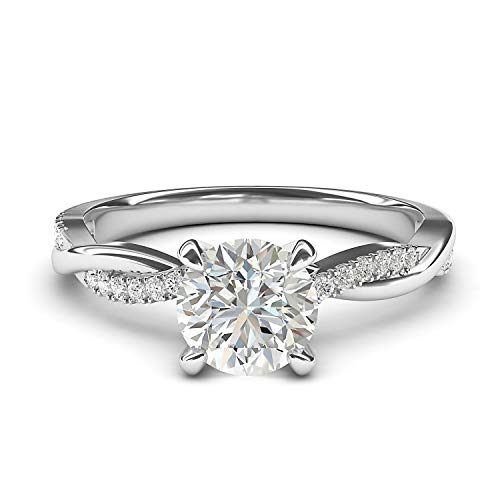
The Definitive Guide to Sterling Silver & Diamond Engagement Rings
"Explore the timeless beauty and modern appeal of silver and diamond rings, and learn if this elegant, accessible choice is right for your love story."
You've found the person you want to spend your life with, and now you're on the hunt for the perfect symbol of that commitment. The world of engagement rings is vast, filled with dazzling stones and precious metals, but a truly captivating option that balances timeless elegance with remarkable accessibility is a sterling silver and diamond engagement ring. This combination is a rising star in the world of bridal jewelry, offering a sophisticated look that doesn't demand a luxury-tier investment.
But is a silver and diamond ring the right choice for you? This comprehensive guide will walk you through everything you need to know—from the properties of the metal to the nuances of the stone—empowering you to make a confident and joyful decision. We'll explore the unique characteristics of this popular pairing and help you understand exactly what to look for. For a deeper dive into the world of engagement styles, you may find our guide on types of engagement bands helpful in your research.
Why Choose Sterling Silver & Diamonds?
The pairing of a brilliant diamond with the cool, bright luster of sterling silver creates a stunning visual contrast. It’s a timeless look that feels both classic and contemporary. But the appeal goes far beyond aesthetics. A sterling silver engagement ring offers several compelling advantages that make it a favored choice for many modern couples.
1. Unmatched Affordability: The most significant advantage is accessibility. Sterling silver is a high-quality, precious metal that is far more budget-friendly than gold or platinum. This allows couples to allocate more of their budget toward a higher-quality diamond or to save for other important life goals, like a home or a dream honeymoon.
2. A World of Possibilities: Because the metal itself is more affordable, you can often afford more intricate designs, larger settings, or a higher carat weight for the diamond. This opens up a vast range of styles that might be out of reach with more premium-tier metals, making it a fantastic choice for those seeking a truly unique and personalized ring.
3. Hypoallergenic Properties: For those with sensitive skin, sterling silver is an excellent choice. Pure silver is hypoallergenic, and the small amount of copper or other alloys added to create sterling silver rarely causes allergic reactions, making it a comfortable option for everyday wear.
Understanding Sterling Silver: The Metal
Before you fall in love with a design, it's crucial to understand the metal that brings it to life. "Sterling silver" is not the same as pure silver. It is an alloy—a mixture of metals designed to be stronger and more durable.
What is 925 Sterling Silver?
Fine silver is 99.9% pure, but it's too soft for everyday jewelry like an engagement ring. To create a more durable metal, it is alloyed with a small amount of another metal, typically copper. The standard for "sterling silver" is 92.5% pure silver and 7.5% other metals. This is why you will often see the hallmark "925" stamped inside a genuine sterling silver ring. This composition provides a beautiful balance of the metal's natural white luster and the strength needed for a lifetime of wear.
The Luster and Patina
One of the most beloved qualities of sterling silver is its brilliant, white luster. It reflects light beautifully, enhancing the sparkle of the diamond it holds. However, sterling silver is also known for its unique ability to develop a patina—a natural, darkened finish that occurs when the metal is exposed to sulfur and oxygen in the air. While some meticulously prefer a high-polish shine, many find that the gentle patina adds a vintage, romantic character to the ring. This is a characteristic to be aware of if you are also considering sterling silver as a wedding band, as both rings will age together beautifully.
The Diamond: Cut, Clarity, Color & Carat
The diamond is the heart of the ring, and its quality is paramount. To make an informed decision, you should be familiar with the "4 Cs," which are the universal standard for grading diamonds. While a comprehensive guide is a topic of its own, here is a quick overview tailored to a silver and diamond ring.
💡 A Smart Shopper's Secret: When choosing a diamond for a silver setting, consider a stone with a slightly lower color grade (like J or K) or a lower clarity grade (like SI1 or SI2). The brilliant white of the silver can make a near-colorless stone appear whiter, and small inclusions are often not visible to the naked eye. This allows you to prioritize a great cut, which is the most important factor for sparkle, without overspending on grades you can't see.
Top Styles for Silver & Diamond Rings
The versatility of silver and the brilliance of a diamond allow for a wide range of stunning designs. Here are some of the most popular styles you'll encounter.
The Classic Solitaire
A single, breathtaking diamond held in a minimal setting. This is the epitome of timeless elegance. The focus is entirely on the diamond, making it a perfect choice for showcasing a high-quality, well-cut stone. For a variation on this classic, explore our collection of solitaire engagement bands.
The Halo Setting
A design where a central diamond is encircled by a "halo" of smaller diamonds. This creates an illusion of a much larger center stone and adds incredible sparkle and vintage-inspired glamour. It's a fantastic way to get maximum visual impact from your ring.
Three-Stone Ring
Representing your past, present, and future together, this style features a center diamond flanked by two smaller side stones. It tells a beautiful story and offers a balanced, elegant look that is rich in meaning.
Vintage-Inspired Designs
Sterling silver is a fantastic metal for creating intricate, vintage-style rings. Look for milgrain detailing (tiny beaded edges), filigree metalwork, and vintage antique wedding rings styles that echo the romance of a bygone era.
The Pros and Cons You Must Know
No decision is complete without understanding both sides. Here’s an honest look at the advantages and disadvantages of a sterling silver and diamond engagement ring.
Pros
- Budget-Friendly: The most significant pro. It allows for a more accessible entry point into diamond engagement rings.
- Beautiful, Bright Luster: The cool, white tone of silver beautifully complements the brilliance of a diamond.
- Hypoallergenic: Safe for most people with sensitive skin.
- Styling Flexibility: The affordability allows for larger or more complex designs.
Cons
- Softer Metal: Sterling silver is more prone to scratching and denting than gold or platinum. It requires more gentle care.
- Tarnishing: It will tarnish over time and requires regular cleaning and polishing to maintain its shine.
- Not Ideal for a Lifetime of Daily Wear: While durable, a soft silver setting may not hold a diamond as securely as a harder metal over many decades, and prongs may need more frequent tightening.
- Difficult to Resize: Resizing can be tricky and may compromise the ring's integrity or finish.
How to Care for Your Silver & Diamond Ring
To ensure your ring stays as radiant as your love story, a little care goes a long way. You can find more in-depth advice on our guide to sterling silver wedding rings, but here are the essentials.
Daily Care: Remove your ring when doing chores, exercising, or applying lotions and perfumes. Gently wipe it with a soft, dry cloth after wearing.
Deep Cleaning: At least once a month, wash the ring in a bowl of warm water with a few drops of mild dish soap. Use a soft-bristled toothbrush to gently scrub around the diamond and setting. Rinse thoroughly and dry with a soft cloth.
Storage: When not wearing your ring, store it in a soft pouch or a tarnish-resistant jewelry box. Keeping it away from air and humidity will slow down the tarnishing process.