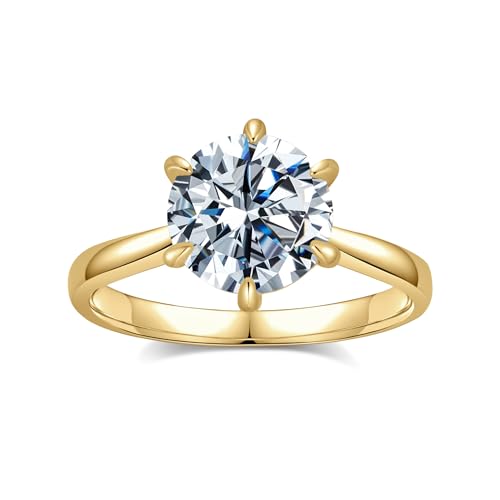
Solitaire Engagement Bands: The Complete Guide
Discover the timeless elegance of a single stone. Learn how to choose the perfect solitaire ring that captures your unique love story.
The solitaire engagement ring is the definition of classic elegance. With a single, breathtaking gemstone as its centerpiece, this style has captured hearts for generations. It is a design that allows the beauty of the diamond to speak for itself, unencumbered by additional stones or complex metalwork. This guide will walk you through everything you need to know about solitaire engagement bands, from the different settings and metals to the various diamond shapes available. By the end, you'll have the knowledge to choose a ring that is not only stunning but also a perfect reflection of your personal style.
Why the Solitaire is a Timeless Choice
The enduring popularity of the solitaire ring lies in its simplicity and versatility. It is a style that transcends fleeting trends, making it a safe and wise investment. A solitaire ring is like a classic little black dress—it never goes out of fashion. It is also incredibly versatile, serving as a blank canvas that can be paired with almost any style of wedding band. Whether you prefer a simple, matching band or a more ornate, diamond-encrusted design, a solitaire will complement it beautifully. This adaptability ensures that your engagement ring will remain a cherished piece for a lifetime.
The Anatomy of a Solitaire Ring
While it may look simple, a solitaire ring is composed of several key elements that work together to create its signature look. Understanding these components will help you make an informed decision.
- The Center Stone: This is the star of the show. It can be a diamond, a sapphire, a ruby, a moissanite, or any other gemstone you love. The quality and size of this stone will significantly impact the ring's overall appearance and value.
- The Setting: This is the metal structure that holds the center stone in place. The setting can dramatically alter the ring's style, from the classic and secure prong setting to the elegant and protective bezel setting.
- The Band (Shank): This is the part of the ring that encircles your finger. Bands can be plain, twisted, or adorned with pavé diamonds, offering a subtle way to add personal flair.
Choosing the Perfect Setting
The setting is one of the most important decisions you'll make when choosing a solitaire ring. It not only secures the stone but also defines the ring's overall aesthetic and profile. Here are the most popular options:
The Classic Prong Setting
The most traditional and popular choice. Metal claws (prongs) hold the diamond in place, allowing maximum light to enter and showcase its brilliance. It is an excellent choice for those who want their center stone to be the undisputed focal point. A mid-range ring with a well-made prong setting offers a beautiful balance of security and light performance.
The Modern Bezel Setting
A sleek, contemporary setting where a rim of metal completely encircles the edge of the diamond. This setting is incredibly secure, making it ideal for active individuals. While it protects the stone, it can slightly reduce the amount of light that enters from the sides. A premium bezel setting will be perfectly smooth and flush with the diamond.
The Elegant Cathedral Setting
This setting features arches of metal that rise from the band to meet the center stone's setting. It creates a higher profile and a very elegant, classic look. The arches add a layer of protection for the stone and give the ring a substantial, luxurious feel.
The Delicate Tension Setting
A modern marvel, this setting appears to hold the diamond in mid-air using the pressure of the band. While stunning, it is a more delicate option and requires a durable metal like platinum. It offers an unobstructed view of the diamond, making it a top-tier choice for the ultimate minimalist.
Selecting the Right Metal
The metal you choose for the band will set the tone for the entire ring and must be durable enough for everyday wear. Here are the most common options:
Platinum: The most durable and prestigious option. It is naturally white, hypoallergenic, and develops a beautiful patina over time. A platinum band is a top-tier choice for a lifelong investment.
White Gold: A popular and more accessible alternative to platinum. It offers a similar bright, white look but requires rhodium plating every few years to maintain its shine.
Yellow Gold: A classic and timeless choice. Its warm glow complements all diamond colors and is making a major comeback in modern engagement ring designs. It is a mid-range option that is both beautiful and durable.
Rose Gold: A romantic and trendy option. The copper in the alloy gives it a beautiful pinkish hue that flatters all skin tones and pairs particularly well with vintage-inspired designs.
Diamond Shapes for Solitaires
The solitaire setting is the perfect showcase for any diamond shape. The choice is entirely a matter of personal preference and can significantly change the ring's style. For a truly unique look, you might consider exploring types of engagement bands that feature different cuts.
- Round Brilliant: The most brilliant and popular cut, designed to maximize light return. It is the quintessential classic. You can learn more about this in our guide to the round brilliant cut diamond engagement ring.
- Princess Cut: A modern, square-shaped diamond with a brilliant faceting pattern. It offers a contemporary look with incredible sparkle.
- Emerald Cut: An elegant, step-cut diamond with a rectangular shape and truncated corners. It offers a unique, sophisticated, and "hall of mirrors" effect.
- Oval Cut: A beautiful, elongated shape that can make the finger appear longer and more slender. It offers a similar brilliance to a round diamond. For more inspiration, see our oval diamond ring with diamond band guide.
- Pear Cut: A unique, teardrop shape that combines the best of the round and marquise cuts. It is a romantic and distinctive choice.
💡 Pro Tip: When choosing a diamond shape, consider the "four Cs" (cut, color, clarity, and carat). For a solitaire ring, the cut is arguably the most important factor, as it dictates the diamond's sparkle. A well-cut diamond in a lower color or clarity grade can often look more brilliant than a poorly cut diamond of a higher grade.
How to Style and Stack Your Ring
A solitaire engagement ring is incredibly versatile, but many people wonder how to pair it with a wedding band. A curved or "contoured" wedding band is often the best choice, as it is designed to fit snugly around the contour of your solitaire's setting. Alternatively, an open or "wrap" band can create a stunning, symmetrical stack. For a more modern look, you can wear your wedding band and engagement ring on separate fingers. When choosing a stackable wedding ring, consider the profile of your solitaire to ensure they sit well together. You can also explore sterling silver and diamond engagement rings as a more accessible alternative for a travel ring or a secondary style. Ultimately, the best way to wear your ring is the way that feels most comfortable and beautiful to you.