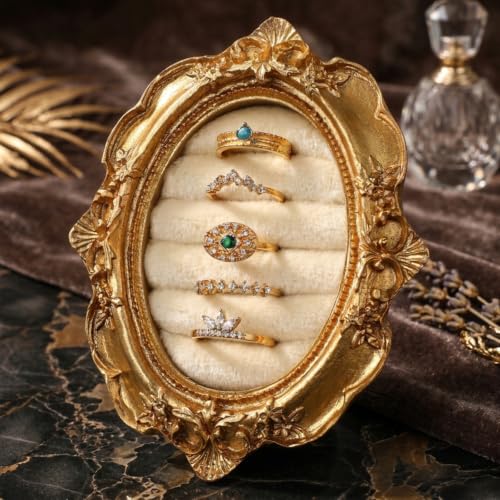
Vintage Antique Wedding Rings: A Timeless Choice
"Discover the romance, history, and craftsmanship of vintage antique wedding rings—and learn how to choose a piece that lasts a lifetime."
Vintage antique wedding rings offer something that modern mass-produced jewelry often cannot: a story. Each ring carries the craftsmanship, history, and romance of a bygone era. Whether you are drawn to the intricate filigree of the Edwardian period or the bold geometric lines of Art Deco, choosing a vintage ring is a deeply personal decision that connects you to the past while symbolizing your future.
This guide will walk you through the major antique eras, explain what to look for when buying, and show you how to incorporate a vintage piece into your modern wedding. If you are still exploring all your ring options, our guide to wedding bands and types of engagement bands can help you compare styles.
Why Choose a Vintage Antique Wedding Ring?
There are several compelling reasons why couples are increasingly drawn to antique rings. First and foremost is the unparalleled craftsmanship. Jewelers of the past often hand-fabricated settings with techniques that are rarely used today, resulting in details—like milgrain edging or hand-engraved patterns—that feel genuinely unique.
Second, vintage rings are inherently sustainable. Choosing a pre-owned piece means you are not contributing to new mining or manufacturing, which appeals to eco-conscious couples. Finally, an antique ring is a guaranteed one-of-a-kind find. Even if a jeweler created a similar design, no two hand-finished antique rings are ever exactly alike.
Did You Know? The tradition of wearing a wedding ring on the fourth finger of the left hand dates back to ancient Rome, where it was believed that a vein—the vena amoris, or "vein of love"—ran directly from that finger to the heart.
If you are planning a wedding with a nostalgic theme, vintage rings pair beautifully with something old, something new, something borrowed, something blue traditions. They also complement vintage-looking wedding dresses and classic traditional wedding etiquette.
The Major Eras of Antique Rings
Understanding the different eras of antique jewelry is essential when shopping. Each period has distinct design characteristics, and knowing them will help you identify what you love and what is authentic.
Victorian Era
Victorian rings are romantic and ornate. Common motifs include snakes (symbolizing eternity), hearts, and bows. The era is also famous for its use of colored gemstones like garnet, amethyst, and turquoise, often set in yellow gold. Sentimental and deeply symbolic, these rings are perfect for couples who love intricate, meaningful design.
Edwardian Era
Edwardian jewelry is characterized by delicate, lacy filigree and platinum settings. Rings from this period often feature diamonds and pearls in light, airy designs that look almost like lace. If you prefer a refined, elegant aesthetic with a focus on craftsmanship, an Edwardian ring is an excellent choice.
Art Deco Era
Art Deco rings are bold, geometric, and glamorous. They feature strong lines, symmetrical patterns, and a mix of colored gemstones (like sapphires and emeralds) with diamonds. Platinum and white gold are common. This era is ideal for couples who want a statement piece with a distinctly modern, architectural feel.
Retro Era
Retro rings are chunky and expressive, often using rose gold and large, colorful gemstones. Designs from this period are less about delicate filigree and more about bold, sculptural forms. They are a great option if you love vintage style but want something with more visual weight and presence.
If you are specifically looking for a diamond piece, you may also want to explore sterling silver and diamond engagement rings as a complement to your antique band. For a complete matching set, our guide to wedding band and engagement ring sets is a helpful resource.
How to Buy an Authentic Antique Ring
Buying an antique ring is different from buying new. You need to be a careful, informed shopper. Here is a step-by-step approach to ensure you get a genuine piece that is also durable enough for daily wear.
1. Look for Hallmarks and Certificates
Hallmarks are tiny stamps on the inside of the band that indicate the metal content, maker, and sometimes the year of manufacture. A reputable antique jeweler will be able to explain these markings to you. Always ask for a certificate of authenticity and a detailed appraisal.
2. Inspect the Setting and Stones
Antique rings often have delicate prongs and settings that may have worn down over decades. Have a jeweler inspect the ring before you buy it. They can check for loose stones, worn prongs, or hairline cracks in the metal. Older diamond cuts, such as the Old European or Rose cut, are also a good indicator of authenticity.
3. Understand the Metal
Victorian rings are often made of 18k or 22k yellow gold, while Edwardian and Art Deco pieces are frequently platinum. Make sure you are comfortable with the metal type, as it affects both the look and the durability of the ring. If you prefer a modern metal, you might also consider tungsten carbide wedding bands for him or sterling silver wedding bands for him as an alternative for a men's band.
💡 Pro Tip: When shopping for an antique ring, always buy from a seller who specializes in estate or antique jewelry. They will have a deeper knowledge of the era, the craftsmanship, and the true value of the piece. General pawn shops are less likely to provide this level of expertise.
Styling Vintage Rings for a Modern Wedding
One of the best things about vintage antique wedding rings is their versatility. They can be styled to suit a wide range of wedding themes, from rustic barn celebrations to black-tie ballroom events.
For a classic, cohesive look, pair an antique engagement ring with a simple, modern stackable wedding ring or a gold wedding band. The contrast between an ornate antique setting and a clean, minimalist band is striking and allows the vintage piece to be the star. If you are looking for a matching set, our guide to wedding band and engagement ring pairing offers practical advice.
If your wedding has a more rustic or boho theme, consider pairing a vintage ring with a sentimental "something borrowed" piece of jewelry. For a formal, traditional ceremony, an antique ring aligns perfectly with traditional wedding etiquette and timeless style.
Caring for Your Antique Ring
Antique rings require more care than modern pieces, but with the right approach, they can last for generations. Here are the essential care tips:
Daily Wear
Remove your ring before doing dishes, cleaning, gardening, or any activity that could expose it to harsh chemicals or physical impact. Antique settings can be more delicate than modern ones, so treat the ring with care.
Store your ring in a soft pouch or a lined jewelry box, separate from other pieces to avoid scratches.
Cleaning & Maintenance
Clean your antique ring gently with a soft-bristled brush and warm, soapy water. Avoid ultrasonic cleaners, as they can loosen older settings. Have the ring inspected by a jeweler once a year to check for worn prongs or loose stones.
For couples who are planning a wedding with a nostalgic theme, these rings pair beautifully with other classic elements, such as a veil mantilla or a tea-length gown. And if you are looking for a way to preserve your bridal bouquet, our guide to wedding bouquet flower preservation offers lovely ideas.