Which Finger Does Your Wedding Band Go On?
The complete guide to wedding ring placement, traditions, and modern choices for every couple.
One of the most common questions engaged couples ask is: which finger does your wedding band go on? The answer might seem simple, but there's actually a rich history, cultural variations, and practical considerations behind that decision. By the end of this guide, you'll know exactly where to place your wedding band and understand the traditions—and modern alternatives—that can help you make the right choice for your unique situation.
💍 Quick Answer: In most Western countries (including the United States, Canada, United Kingdom, Australia, and Western Europe), wedding bands are traditionally worn on the fourth finger of the left hand—the finger between your pinky and middle finger. This tradition dates back to ancient Roman times and is based on the belief in the "vena amoris" or "vein of love" that was thought to run directly from that finger to the heart.
The Traditional Fourth Finger: Why Left Hand?
The tradition of wearing a wedding ring on the fourth finger of the left hand has fascinating historical roots. Ancient Romans believed that a vein called the "vena amoris" (vein of love) ran directly from this finger to the heart. While anatomists have since proven this isn't true, the romantic symbolism has endured for over 2,000 years.
During wedding ceremonies, the ring is placed on this finger as a symbol of the couple's eternal love and commitment. The circular shape of the ring represents infinity, with no beginning and no end. This tradition became standardized in Christian wedding ceremonies during the 11th century and spread throughout Western cultures.
When planning your wedding planning journey, understanding these traditions helps you make informed decisions about your rings. Whether you choose to follow tradition or create your own path, knowing the history adds meaning to your ceremony.
Do Men and Women Wear Wedding Bands on the Same Finger?
Yes, in most Western cultures, both men and women traditionally wear their wedding bands on the fourth finger of the left hand. However, there are important distinctions to consider:
For Women
Women typically wear both an engagement ring and a wedding band. The engagement ring is placed on the left fourth finger first, then the wedding band is added during the ceremony. Most women wear the wedding band closest to the heart (below the engagement ring), though some prefer the opposite order or wear the wedding band alone for daily activities.
For Men
Men traditionally wear only a wedding band on the left fourth finger. However, modern trends show many men choosing to wear both an engagement ring and wedding band, or stacking multiple rings. The left fourth finger remains the standard placement for men's wedding bands in the US, UK, Canada, and Australia.
Wedding Band Traditions Around the World
Not every culture follows the left-hand tradition. Understanding these differences is especially important if you're planning a destination wedding or have multicultural family traditions to honor.
| Country/Region | Wedding Band Finger | Notes |
|---|---|---|
| United States, Canada, UK, Australia | Left fourth finger | Standard Western tradition |
| Germany, Austria, Netherlands | Right fourth finger | Traditionally worn on right hand |
| Russia, Poland, Ukraine, Bulgaria | Right fourth finger | Eastern Orthodox tradition |
| India | Left fourth finger | Influenced by British colonial tradition |
| Spain, Greece, Portugal | Right fourth finger | Many Catholic countries wear on right |
| Brazil, Argentina, Mexico | Right fourth finger (engagement) Left fourth finger (wedding) | Engagement on right, wedding band moved to left after ceremony |
| Jewish tradition | Left index finger or left fourth | Some ceremonies place ring on index finger, then move to fourth |
If you're incorporating interfaith wedding tips into your ceremony, discussing ring placement traditions with your officiant can help you create a meaningful ceremony that honors both backgrounds.
💡 Cultural Consideration: If you and your partner come from different cultural backgrounds, you can choose to follow one tradition or create your own. Some couples wear their wedding bands on different hands to honor both heritages—a beautiful way to blend families and traditions.
How to Wear Your Wedding Band With Your Engagement Ring
Once you've purchased your wedding rings and engagement ring, you'll need to decide how to wear them together. There are three popular options:
Option 1: Traditional Stack
Wedding band on bottom (closest to heart), engagement ring on top. This is the most common order in Western ceremonies.
Option 2: Reversed Stack
Engagement ring on bottom, wedding band on top. Some prefer this because it protects the engagement ring's setting.
Option 3: Separate Hands
Wear engagement ring on right hand, wedding band on left. This is ideal if your rings don't fit well together or for daily comfort.
Many modern couples also choose to have their rings professionally soldered together. This prevents spinning, reduces wear and tear, and creates a single, seamless look. Bridal ring sets are designed specifically to fit together perfectly, making soldering an excellent option.
Modern Alternatives: Different Fingers, Different Hands
Traditions are evolving, and many couples today choose alternative placements for their wedding bands. Here are the most popular modern options:
- Right-Hand Placement: Some couples choose to wear both wedding bands on the right fourth finger for symmetry or personal preference. This is also common for same-sex couples who want matching placement.
- Pinky Finger Rings: While less common, some cultures and individuals wear wedding bands on the pinky finger, especially if their ring size makes the fourth finger uncomfortable.
- Thumb Rings: A growing trend among creative professionals and those who work with their hands, thumb rings offer a unique and practical alternative.
- Necklace Conversion: For individuals whose jobs prevent wearing rings (surgeons, mechanics, electricians), wearing the wedding band on a chain around the neck keeps the symbol close without safety risks.
- Tattoo Rings: A permanent alternative that never needs resizing, never gets lost, and works for any finger or hand. Many couples choose matching tattoo bands on the traditional left fourth finger.
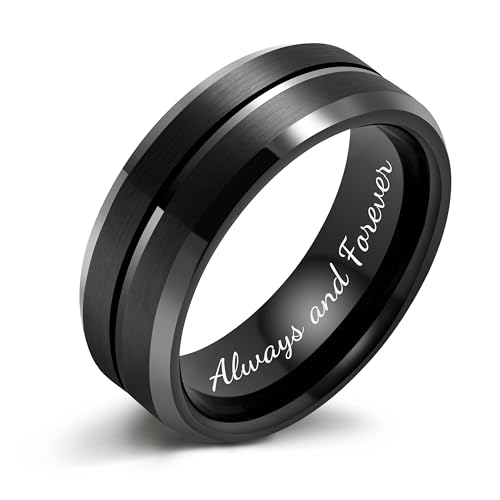
👔 For Grooms and Masculine Styles: If you're looking for gold and white gold mens wedding band options, consider that wider bands (6mm-8mm) are traditionally worn on the left fourth finger. However, many men now choose to wear their wedding band on the right hand to avoid interfering with a signet ring or class ring on the left.
Getting the Perfect Fit: Sizing and Comfort Tips
Before you purchase your wedding bands and engagement rings set, proper sizing is crucial. Here's what you need to know:
Dominant Hand Consideration: Your dominant hand's fingers are typically slightly larger than your non-dominant hand. If you plan to wear your ring on your left (non-dominant) hand, that's standard. But if you choose your right hand, order a half-size larger.
Temperature and Activity: Your fingers swell in heat and during physical activity, and shrink in cold weather. For the most comfortable fit, measure your finger at room temperature at the end of the day when your fingers are slightly larger.
Ring Width Matters: Wider bands (6mm and above) fit tighter than narrow bands. When ordering a wider wedding band, you may need to go up half a size from your standard ring size. This is especially important for gold diamond wedding bands for men that combine width with precious stones.
Most reputable jewelers offer free resizing within 30-60 days of purchase. Take advantage of this policy if your ring doesn't feel perfect initially.
Frequently Asked Questions About Wedding Band Placement
📝 Final Thought: Whether you follow centuries of tradition or blaze your own path, the most important thing is that your wedding band represents your unique love story. The finger you choose doesn't change the meaning of your commitment—it's simply the beautiful stage for one of marriage's most enduring symbols.