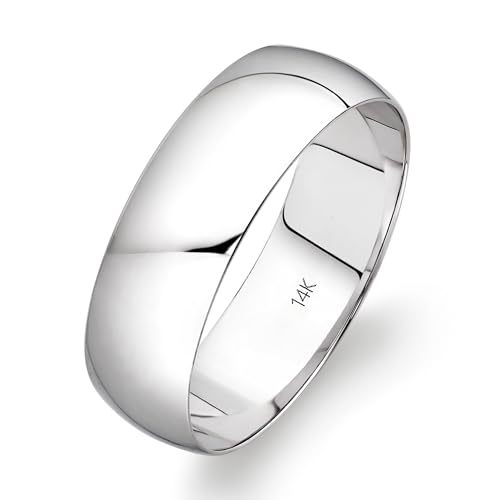
Gold and White Gold Men's Wedding Band
"The Ultimate Guide to Choosing a Timeless Two-Tone Ring"
For the modern groom, a wedding band is more than a symbol of commitment—it's a statement of personal style. While classic yellow gold and sleek white gold are perennial favorites, a gold and white gold men's wedding band offers a unique and sophisticated alternative. This two-tone approach combines the warmth of yellow gold with the contemporary cool of white gold, creating a ring that is both timeless and distinctively modern.
Whether you're drawn to the bold contrast of a two-tone design or the subtle elegance of a white gold band with gold accents, understanding your options is key to finding the perfect ring. This guide will walk you through the most popular styles, help you understand the metals, and provide the essential knowledge you need to make a confident purchase for a lifetime of wear.
Why Choose a Two-Tone Gold Band?
A gold and white gold men's wedding band is a versatile choice that bridges traditional and modern aesthetics. It offers several distinct advantages that make it a compelling option for a wide range of grooms.
- Versatility: A two-tone ring complements both yellow and white metal accessories. It can be worn seamlessly alongside a yellow gold watch or paired with a white gold chain, making it an incredibly adaptable piece.
- Unique Style: While single-metal bands are classic, a two-tone design stands out. It shows a deliberate and stylish choice, offering a visual interest that a solid band might lack. This is particularly appealing for grooms who want their ring to reflect their personality. For more inspiration on unique styles, you might explore our guide on gold and black rings for men.
- Symbolism: Many couples see the blending of two metals as a beautiful metaphor for the union of two lives. The intertwining of different elements can symbolize the strength and balance found in a marriage.
- Durability: Gold, in its various forms, is a durable and lasting metal. A high-quality two-tone band, especially those in the premium or luxury tier, is designed to withstand the rigors of daily wear, becoming a cherished heirloom.
💡 Editor's Tip: When considering a two-tone band, think about which metal you want to be the dominant color. A band with a yellow gold base and a white gold inlay will have a warmer overall look, while the reverse will feel cooler and more modern.
Popular Styles & Designs
The way gold and white gold are combined can dramatically change the look of a ring. From subtle accents to bold contrasts, here are the most popular styles you'll find.
The Classic Two-Tone
The most traditional two-tone style features a center band of one metal flanked by two outer bands of the other. For example, a wide white gold band with thin yellow gold edges. This creates a balanced, symmetrical look that is both elegant and masculine.
The Center Inlay
This style features a base of one metal (e.g., yellow gold) with a recessed center channel or inlay of the other (white gold). This design is sleek and modern, offering a subtle contrast that catches the light. It's a popular choice for a gold and white gold wedding band.
The Braided or Twisted Band
For a more intricate and textured look, a braided band weaves strands of yellow and white gold together. This style is highly detailed and offers a unique, almost organic feel. It is a top-tier choice for grooms who want a ring that is as much a piece of art as it is a symbol.
The Accented Band
This design uses one metal as the primary material and adds subtle accents of the other. Think a yellow gold band with a single, thin stripe of white gold running along the edge, or a white gold band with yellow gold milgrain detailing. This is a great entry-level or mid-range option for adding a touch of contrast without being overly bold.
Understanding Gold and White Gold
To choose the perfect ring, it helps to understand the materials. Both yellow gold and white gold are alloys, meaning they are mixed with other metals to increase their strength and alter their color.
Yellow Gold
Yellow gold is the classic choice. Its warm, rich color is timeless and complements most skin tones. It is typically mixed with metals like copper and zinc. The purity of gold is measured in karats, with 14k and 18k being the most common for wedding bands. 18k gold is a higher-purity alloy, making it a premium or luxury choice, while 14k offers a good balance of durability and value, often considered a mid-range standard.
White Gold
White gold is an alloy of gold mixed with white metals like palladium, silver, or nickel. This gives it a silver-white color. However, it is not naturally as white as platinum. To achieve its brilliant, bright finish, white gold is almost always plated with rhodium, a rare and highly reflective metal. Over time, this plating can wear, but it can be re-applied by a jeweler. For a groom who loves the look of silver but wants the value and tradition of gold, a white gold wedding ring for him is an excellent choice.
💡 Metal Care Tip: White gold rings may need to be re-plated with rhodium every few years to maintain their bright white luster, depending on wear. This is a simple and relatively inexpensive process done by a jeweler. This maintenance is a key consideration when comparing white gold to metals like platinum or titanium.
Choosing the Right Fit & Comfort
A wedding band is worn every day, so comfort is paramount. The fit of a ring refers to the shape of its interior profile.
- Standard Fit: The inside of the ring is flat. This is the most traditional fit. It offers a classic look but can feel less comfortable for some.
- Comfort Fit: The inside of the ring is slightly domed or rounded. This allows the ring to slide over the knuckle more easily and reduces friction against the finger, making it more comfortable for daily wear. Most high-end and modern rings feature a comfort fit.
- Flat Profile vs. Domed Profile: The exterior profile can also vary. A flat profile is modern and minimalist, while a domed profile is classic and traditional. The choice here is purely aesthetic.
When trying on rings, pay attention to the width as well. Bands typically range from 4mm to 8mm for men. Wider bands can feel more substantial, while narrower bands are more subtle. The right width is a personal preference that should feel balanced with the size of your hand. For a cohesive look, some couples choose to coordinate their bands, and you can find inspiration in his and hers wedding bands sets.
What to Look For Before You Buy
Before making your final decision, consider these key factors to ensure you are happy with your ring for decades to come.
Gold and white gold can be finished in several ways. A high-polish finish is shiny and reflective, while a matte or brushed finish is more subdued and can hide scratches better. Some rings feature a satin finish or a hammered texture for a more rustic or artisanal look. The finish can dramatically affect the overall style of the ring.
All gold is relatively soft compared to metals like titanium or tungsten. If you work with your hands or are hard on jewelry, you might consider a ring with a lower karat (like 14k, which is harder than 18k) or a design that is less prone to showing scratches, such as a brushed finish.
When you find a ring you like, confirm the details. Check the karat stamp (e.g., "14K" or "18K"). Ask about the width and the fit. A reputable seller will provide all this information. For those who want a truly unique piece, exploring custom engagement rings and bands is an option, as many jewelers can create a bespoke two-tone design.
💡 Pro Tip: If you're planning to wear your wedding band alongside an engagement ring, consider how they will sit together. While men's engagement rings are less common, if you have one, a two-tone wedding band can be chosen to complement its style. Look for a band that offers a seamless and comfortable fit when stacked.