Custom Engagement Rings: A Complete Design Guide
"From concept to creation. Learn how to design a bespoke engagement ring that perfectly captures your unique love story."
A custom engagement ring is more than just a piece of jewelry; it is a personal declaration of love, designed from the ground up to reflect the unique story of the couple. While the traditional path of buying a pre-made ring from a showcase is still popular, the trend of bespoke design has surged. It offers a level of personalization and quality that mass-produced pieces simply cannot match.
However, embarking on the journey to create a custom engagement ring can be daunting. This guide will walk you through every step, from the initial idea to the final polish, ensuring you have the knowledge to collaborate with a jeweler and create a truly one-of-a-kind treasure.
Why Choose a Custom Engagement Ring?
The decision to go custom is driven by several compelling benefits that go beyond aesthetics.
- Unmatched Personalization: You are not limited to what a retailer has in stock. You choose the metal, the setting, the center stone, and every tiny detail. You can incorporate elements like a birthstone, a family heirloom, or a design inspired by a shared memory.
- Better Value and Quality: When you buy a branded ring, a significant portion of the cost goes toward marketing and brand prestige. With a custom piece, you are paying for the materials and craftsmanship. This often means you can get a higher-quality diamond or a more intricate setting for the same budget.
- A Story to Tell: There is an incredible romanticism in knowing that your ring was created solely for you. It is not a design that hundreds of other people own. It is a singular piece of art that will be a conversation starter for years to come.
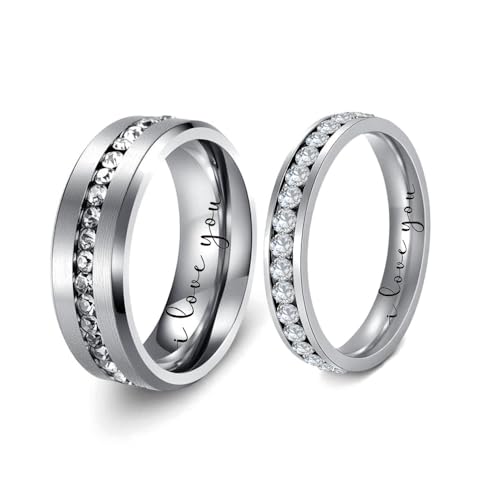
While a pre-made ring might be a beautiful symbol, a custom ring is an extension of your identity as a couple. For those also considering the wedding band, a custom approach ensures it will perfectly complement the engagement ring, creating a seamless bridal set. You can explore options like engagement rings with matching wedding bands to get an idea of what a cohesive set looks like.
The Step-by-Step Custom Design Process
The process of creating a custom ring is collaborative and exciting. It generally follows these key stages:
1. The Inspiration & Consultation
This is the brainstorming phase. Start by gathering inspiration. Create a mood board on Pinterest or save images of rings you admire. Pay attention to the elements that catch your eye: is it the vintage feel of a emerald cut, the modern brilliance of a round brilliant, or the unique shape of an oval diamond? During the consultation, you will share these ideas with a jeweler. A good jeweler will listen, ask questions about your lifestyle and style, and help translate your vague ideas into a concrete design direction.
2. Design & Sketching
Once the jeweler understands your vision, they will create hand-drawn sketches or Computer-Aided Design (CAD) renderings. These images will show what the ring will look like from different angles. This is a crucial stage for back-and-forth feedback. Do not be shy about asking for revisions—it is much easier to change a drawing than a finished ring. You can tweak the thickness of the band, the size of the side stones, or the height of the setting.
3. Stone Selection
This is often the most exciting part. You will select the center stone and any accent stones. You can choose from natural diamonds, lab-grown diamonds, or colored gemstones like sapphires or emeralds. If you are interested in a classic look, you might explore natural diamond engagement rings. For a personal touch, a sapphire engagement ring offers a stunning pop of color and exceptional durability.
4. Wax Model & Approval
For more complex designs, the jeweler may create a wax model of the ring. This allows you to see and feel a three-dimensional version of the ring before it is cast in metal. You can try it on to check the fit and comfort. This is your last chance to make major design changes before the final production begins.
5. Casting, Setting, and Polishing
Once the design is approved, the jeweler will cast the ring in your chosen metal. After casting, a master setter will carefully place and secure your gemstones. Finally, the ring is polished to a high shine, bringing out the beauty of the metal and the brilliance of the stones. The entire process, from initial consultation to final delivery, can take anywhere from a few weeks to a few months.
💡 Pro Tip: Communication is key. Ask your jeweler for progress updates and photos at each stage. A reputable jeweler will be happy to keep you in the loop. This also helps manage expectations and ensures the final product matches your vision.
Choosing the Perfect Metal
The metal you choose sets the tone for the entire ring. It affects the ring's color, durability, and overall aesthetic. Here are the most popular options:
- Platinum: A dense, naturally white metal that is incredibly durable and hypoallergenic. It is a top-tier choice for a lifetime of wear. Its weight and substantial feel are often associated with luxury.
- White Gold: An alloy of gold and white metals (like palladium or silver) plated with rhodium. It offers a bright white look similar to platinum but is more budget-friendly. The rhodium plating may need to be re-applied over time.
- Yellow Gold: A classic, timeless choice. Its warm color complements all skin tones and is particularly beautiful with diamonds or colored gemstones. It is a softer metal than platinum but is very durable in 14k or 18k alloys.
- Rose Gold: Created by alloying gold with copper, it has a romantic, pinkish hue. It has seen a massive surge in popularity for its vintage-inspired look. A custom rose gold ring can be a stunning and unique choice.
Selecting Your Center Gemstone
The center stone is the heart of the engagement ring. While diamonds are the traditional choice, many couples are now exploring alternatives. When selecting a stone, you will consider the "4 Cs": Cut, Color, Clarity, and Carat weight. For diamonds, a stunning choice like an emerald diamond engagement ring offers a distinctive, elegant look.
Understanding Diamond Alternatives:
Lab-Grown Diamonds: These are chemically, physically, and optically identical to natural diamonds, but they are created in a laboratory. They often fall into a more accessible tier than their natural counterparts, allowing you to get a larger or higher-quality stone for the same budget.
Colored Gemstones: Sapphires, rubies, and emeralds are durable and beautiful options. A blue sapphire, for instance, offers a royal and timeless look. You can explore blue sapphire engagement rings for a truly regal choice.
Understanding Ring Settings
The setting is the structure that holds the center stone. It can dramatically change the ring's appearance and security.
- Prong Setting: The most popular and classic setting. It uses small metal claws to hold the stone, allowing maximum light to enter and create brilliance. A four-prong setting is a timeless choice.
- Bezel Setting: A metal rim encircles the entire edge of the stone. This is a very secure setting, ideal for active lifestyles. It offers a modern, sleek look.
- Halo Setting: A "halo" of smaller diamonds encircles the center stone, making it appear larger and more brilliant. This is a very popular choice for maximizing sparkle.
- Three-Stone Setting: This symbolic setting features a center stone flanked by two smaller stones, often representing the past, present, and future of a relationship.
Budgeting for a Custom Ring
One of the biggest myths about custom rings is that they are exclusively for the ultra-wealthy. While you can certainly create a luxury piece, you can also design an entry-level or mid-range ring that fits your budget.
The final cost of a custom engagement ring is determined by the metal you choose, the quality and size of the center stone, and the complexity of the setting. A simple solitaire in a mid-tier metal with a lab-grown diamond will be very different in cost from a platinum ring with a large natural diamond and a complex halo setting. The key is to be transparent with your jeweler about your budget from the start. They can help you allocate your funds to the elements that matter most to you.