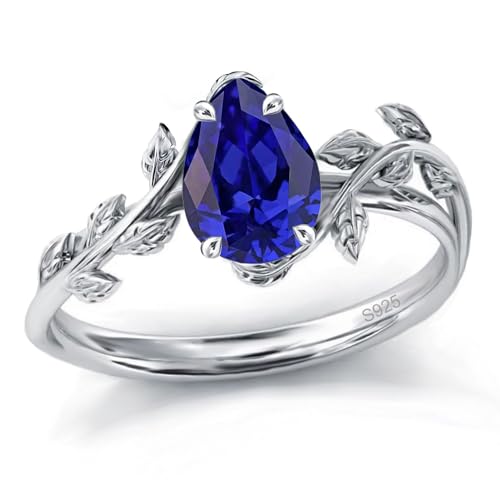
Engagement Ring with Sapphire: A Timeless Choice
"Beyond the diamond. Discover the history, durability, and breathtaking beauty of sapphire engagement rings."
For centuries, the sapphire has been a symbol of wisdom, royalty, and enduring love. While diamonds have long been the default choice for engagement rings, a sapphire engagement ring offers a unique blend of vibrant color, exceptional durability, and rich history that speaks to a couple's individual style. From the iconic deep blue of Princess Diana's ring to the delicate blush of a padparadscha, the world of sapphires is vast and captivating.
If you are considering a sapphire for your engagement ring, you are in good company. This guide will walk you through everything you need to know—from understanding color and clarity to selecting a setting that perfectly complements your stone and lifestyle.
Why Choose a Sapphire Engagement Ring?
The decision to choose a sapphire over a traditional diamond is often driven by a desire for something distinct and personal. Beyond aesthetics, sapphires offer several compelling practical advantages.
Exceptional Durability
On the Mohs scale of mineral hardness, sapphires rank a 9 out of 10. This places them second only to diamonds, making them incredibly resistant to scratches and ideal for a ring you will wear every day. Unlike softer gemstones like opals or emeralds, a sapphire can withstand the rigors of daily life with minimal risk of damage. This durability means your ring will maintain its beauty for decades to come, becoming a cherished heirloom.
A Spectrum of Color
While the classic "sapphire blue" is the most famous, sapphires are actually found in a wide array of colors. You can find sapphires in pink, yellow, green, purple, orange, and even clear (often used as a diamond alternative). This incredible variety means you can find a stone that perfectly matches your partner's personality or favorite color. For those who love a classic look, a deep blue sapphire is unparalleled. For a more unconventional choice, a peachy-pink padparadscha sapphire is both rare and stunning.
💡 A Symbol of Wisdom and Royalty: Historically, sapphires were believed to protect the wearer from envy and harm, and to bring wisdom and good fortune. They were worn by kings and queens, most notably in the British Crown Jewels. Today, they continue to symbolize loyalty, sincerity, and nobility.
When you choose a sapphire, you are not just selecting a gemstone; you are choosing a piece of history with a character all its own. This individuality is one of the most compelling reasons to opt for a blue sapphire engagement ring or one in another captivating hue.
Understanding Sapphire Color & Quality
The value and beauty of a sapphire are primarily determined by its color. Unlike diamonds, which are graded on a colorless scale, sapphires are prized for their richness and saturation. When evaluating a sapphire, consider these three factors:
- Hue: This refers to the stone's basic color. For blue sapphires, the most valuable hue is a pure, vivid blue, often described as "cornflower" or "velvety" blue. Stones with a slight violet or green secondary hue are also common and can be very beautiful, though they may be valued differently.
- Tone: This describes how light or dark the stone is. The most desirable sapphires have a medium tone—not too light (which can look washed out) and not too dark (which can look almost black and lose its sparkle).
- Saturation: This refers to the intensity or purity of the color. Highly saturated stones are vivid and bright, while less saturated stones appear more grayish or brownish. The most valuable sapphires have high saturation.
Beyond color, look for a stone with good clarity. While sapphires often have some natural inclusions (internal characteristics), they should not be so prominent that they detract from the stone's beauty or durability. A good jeweler can help you find a stone that balances these factors to fit your preferences and tier of quality, whether you are looking for an entry-level, mid-range, or premium stone.
Popular Sapphire Shapes & Cuts
The shape of your sapphire will dramatically affect the ring's overall look. Here are some of the most popular choices:
Oval Cut
An oval sapphire is a classic and elegant choice. Its elongated shape can make the wearer's finger appear longer and more slender. Oval cuts also tend to show color beautifully. You might consider an oval engagement ring as a stunning alternative.
Round Cut
The round brilliant cut is the most traditional and sparkly shape. It is designed to maximize light return, making the sapphire appear bright and lively. A round sapphire is a timeless choice that never goes out of style.
Emerald Cut
The emerald cut is a step cut with a rectangular or square shape. It offers a more understated, sophisticated elegance compared to brilliant cuts. This cut is perfect for showcasing a sapphire with exceptional color clarity. See our guide to emerald diamond engagement rings for similar style inspiration.
Cushion Cut
A cushion cut is a square or rectangular shape with rounded corners, resembling a pillow. It combines a vintage charm with a modern brilliance, making it a popular and romantic choice for a sapphire ring.
Choosing the Perfect Setting
The setting is the metal framework that holds your sapphire. It plays a crucial role in both the ring's security and its overall aesthetic. Here are a few popular setting styles to consider:
Solitaire: A single sapphire is held in a simple band, allowing the stone to be the absolute center of attention. This is a timeless and elegant choice.
Halo: A halo setting features a border of smaller diamonds or gemstones surrounding the center sapphire. This can enhance the ring's perceived size and add extra sparkle.
Bezel: A bezel setting encircles the sapphire with a rim of metal. This is a very secure setting, making it a great choice for an active person. It also gives the ring a modern, sleek look.
Three-Stone: A three-stone setting features a center sapphire flanked by two smaller stones (often diamonds). This style is rich in symbolism, representing the past, present, and future of your relationship.
When choosing a setting, consider the lifestyle of the person who will wear it. A lower-profile setting is less likely to snag on clothing or get knocked. If you are looking for a custom design, exploring options for custom engagement rings can help you create a truly one-of-a-kind piece. You may also want to consider a wedding band and engagement ring set to ensure your rings complement each other perfectly.
Matching Your Personal Style
A sapphire engagement ring can be styled to suit any personality. For a classic and elegant look, pair a round or oval blue sapphire with a plain white gold or platinum band. For a vintage-inspired aesthetic, consider a cushion-cut sapphire in a yellow gold or rose gold setting with milgrain details. The metal you choose will also influence the stone's appearance. White metals can make a blue sapphire appear cooler and more vivid, while yellow or rose gold can add warmth and contrast.
If you are looking for a ring that is both unique and meaningful, a sapphire is an excellent choice. It is a gemstone that tells a story, and its timeless beauty ensures it will be treasured for generations. For more inspiration, explore our other guides on engagement rings and engagement rings for women in diamond to compare styles.
Caring for Your Sapphire Ring
Sapphires are durable, but they still require some care to keep them looking their best. To clean your sapphire ring, use a soft brush and a mild solution of warm water and dish soap. Gently scrub the stone and the setting, then rinse and pat dry with a soft cloth. Avoid using harsh chemicals or ultrasonic cleaners, as these can sometimes damage the stone or the setting. Store your sapphire ring separately from other jewelry to prevent scratches, and remove it before engaging in activities that could damage it, such as heavy lifting or contact sports.