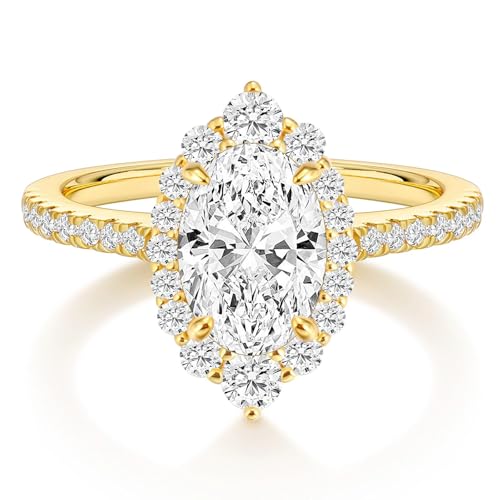
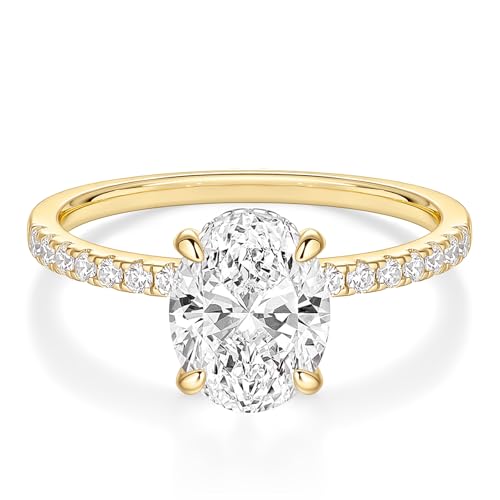
Gold Engagement Ring Oval: The Ultimate Buying Guide
"Timeless elegance meets modern brilliance. Discover why the oval cut is the most flattering and sought-after choice for your forever ring."
The oval engagement ring has captured the hearts of couples around the world. With its graceful curves and elongated silhouette, it offers a unique blend of vintage charm and contemporary sophistication. When paired with gold—whether warm yellow, cool white, or romantic rose—an oval diamond truly comes alive, creating a ring that feels both luxurious and deeply personal.
If you're in the research phase of finding your perfect ring, you've likely noticed that the options can feel overwhelming. This guide will walk you through everything you need to know about gold engagement ring oval styles, from understanding the cut's advantages to selecting the right gold tone and setting. By the end, you'll feel confident and ready to make a decision you'll cherish forever.
Why Choose an Oval Engagement Ring?
The oval cut is more than just a pretty shape. It offers several distinct advantages that make it a standout choice for an engagement ring:
1. It Appears Larger Than Its Carat Weight: Because the oval cut has a larger surface area than a round brilliant of the same carat weight, it gives you more visual size for your investment. This makes it an excellent choice if you want a substantial look without compromising on quality.
2. It's Incredibly Flattering: The elongated shape creates a slimming effect on the finger, making the hand look elegant and refined. It's a universally flattering cut that suits almost any hand shape.
3. Exceptional Sparkle: A well-cut oval diamond has excellent light performance. Its curved facets create a brilliant play of light, often rivaling the sparkle of a round diamond.
4. Unique Yet Timeless: The oval cut has been popular for centuries, yet it still feels fresh and modern. It's a classic choice that won't go out of style, but it's less common than a round cut, giving your ring a unique edge.
For those who appreciate the brilliance of a round diamond but want something a little different, the oval is the perfect alternative. It also pairs beautifully with a variety of wedding bands, as we'll explore later.
Choosing Your Gold Tone: Yellow, White, or Rose?
The gold tone you choose dramatically affects the overall look of your ring. Each has its own personality and practical considerations:
Yellow Gold
Yellow gold is the classic, warm choice. It has a rich, traditional feel that never goes out of style. Yellow gold is also the most durable of the gold alloys, as it's less prone to scratching and shows wear less obviously than white gold. It pairs beautifully with diamonds that have a slightly warmer color grade (like J or K), as the contrast is less stark than with white gold.
White Gold
White gold offers a sleek, modern aesthetic. It's created by alloying gold with white metals like palladium or silver, and then plating it with rhodium for a bright, mirror-like finish. White gold is the most popular choice for engagement rings because it makes colorless diamonds (D-F) appear even whiter and more brilliant. However, the rhodium plating will wear off over time and requires re-plating every few years to maintain its shine.
Rose Gold
Rose gold has a romantic, vintage-inspired appeal. Its pinkish hue comes from a higher copper content in the alloy. Rose gold is incredibly flattering on warm skin tones and pairs wonderfully with both white and fancy-colored diamonds. Like yellow gold, it's durable and doesn't require plating. If you love the idea of a ring that feels both unique and timeless, rose gold is a stunning choice.
💡 Pro Tip: Consider your everyday jewelry. If you mostly wear silver-toned metals, white gold will blend seamlessly. If you gravitate toward warm tones, yellow or rose gold will feel more cohesive. And remember, there's no rule that says your engagement ring must match your wedding band—mixed metals are a beautiful, modern trend!
Popular Setting Styles for Oval Rings
The setting you choose is just as important as the stone itself. Here are the most popular options for oval engagement rings:
Solitaire
A solitaire setting features a single diamond held by prongs, with no other stones. It's the purest way to showcase the beauty of an oval diamond. A solitaire setting is timeless, elegant, and allows maximum light to enter the stone. It's also the most budget-friendly option, as you're investing primarily in the center stone.
Pavé Band
A pavé band is lined with small diamonds along the shank, adding extra sparkle and a touch of luxury. This setting makes the center stone appear larger and more brilliant. It's a romantic, glamorous choice that's perfect for those who love a bit of extra shimmer.
Halo
A halo setting surrounds the center diamond with a ring of smaller diamonds. This not only enhances the perceived size of the center stone but also amplifies its overall sparkle. A halo can be round, oval, or even a double halo for maximum impact. It's an excellent choice if you want a bold, statement look.
Three-Stone
A three-stone setting features two smaller diamonds flanking the center oval. This style symbolizes your past, present, and future together. It's a meaningful and elegant choice that offers a balanced, symmetrical look.
When choosing a setting, consider how it complements your lifestyle. A high-profile solitaire or halo might catch on clothing more easily, while a low-profile bezel setting offers a more secure, practical option. If you're looking for more inspiration on ring styles, explore our guide to engagement rings for a comprehensive overview.
The 4Cs for Oval Diamonds: A Focused Guide
The 4Cs—Cut, Color, Clarity, and Carat—are the universal standards for evaluating diamonds. For oval cuts, some factors carry more weight than others:
Cut
Cut is the most important factor for an oval diamond. A poorly cut oval can suffer from the "bow-tie effect"—a dark, shadowy area across the center of the stone. Look for an oval with excellent symmetry and a depth percentage between 58% and 62%. A well-cut oval will have even brilliance across the entire surface.
Color
Oval diamonds tend to show color more than round diamonds because of their larger surface area. For a white gold or platinum setting, aim for a color grade of D to F. For yellow or rose gold, you can go slightly lower (G to J) without noticing a warm tint, as the gold setting will mask it.
Clarity
Clarity refers to the presence of inclusions (internal flaws). Most oval diamonds are eye-clean at a clarity grade of VS2 or higher. However, because the oval has a large open table, it's worth examining the stone carefully to ensure no visible inclusions detract from its beauty. A trusted jeweler can help you find a stone that balances clarity and value.
Carat
Carat is the weight of the diamond. As mentioned, an oval diamond appears larger than a round diamond of the same carat weight. This means you can often choose a slightly smaller carat weight and still achieve a substantial look. When selecting a carat weight, consider the size of your partner's finger—a larger stone may look overwhelming on a petite hand, while a smaller stone might get lost on a larger hand.
💡 Budget-Smart Tip: If you're working with a specific budget, prioritize cut and carat first. You can often "trade down" slightly on color and clarity without sacrificing the overall beauty of the ring. A well-cut oval will sparkle so brilliantly that minor color or clarity differences become virtually invisible to the naked eye.
Styling and Stacking Your Oval Ring
An oval engagement ring is incredibly versatile when it comes to pairing with a wedding band. Here are some styling ideas:
- Contoured Band: Because oval diamonds often sit slightly lower on the finger, a contoured wedding band that curves around the center stone creates a seamless, custom look.
- Straight Band: A straight, thin band (like a pavé or plain gold) can sit flush against an oval engagement ring if the setting is low-profile. This is a classic, understated combination.
- Stacked Bands: For a modern, trend-forward look, stack your oval ring with two or even three thin bands. Mix metals for a personalized touch—like a yellow gold engagement ring with a white gold diamond band.
- Matching Sets: Many jewelers offer matching engagement ring and wedding band sets designed specifically for oval cuts. This ensures a perfect fit and cohesive design. You can explore options like engagement rings with matching wedding bands for inspiration.
Don't be afraid to experiment. The oval's elegant shape is forgiving and pairs well with almost any band style. If you're looking for a complete ring set, you might also consider gold and diamond wedding ring sets that include both an engagement ring and a band.