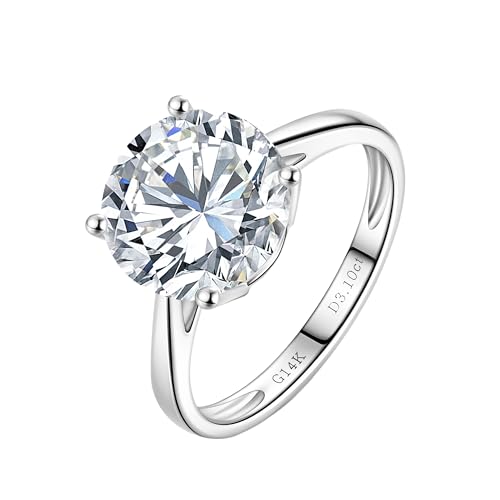
Real Diamond Engagement Rings: The Complete Buyer's Guide
"Everything you need to know about cut, clarity, carat, and settings before you choose a genuine diamond ring."
A real diamond engagement ring is one of the most meaningful purchases a couple will ever make. It is a symbol of commitment, a piece of wearable art, and often an heirloom that will be passed down through generations. Yet the buying process can feel overwhelming. Between cut grades, clarity scales, certification labs, and setting styles, there is a great deal to understand before you feel confident enough to make a decision.
This guide is designed for buyers who already know they want a genuine diamond and are now in the research phase. You will learn how the diamond engagement ring market is structured, what the Four Cs actually mean in practice, how natural and lab-grown stones compare, and which settings suit different lifestyles. By the end, you should have a clear framework for choosing a ring that feels right for you and your partner.
Who this guide is for: Couples researching genuine diamond rings, first-time buyers who want to understand certification, and anyone comparing natural versus lab-grown diamonds before visiting a jeweler.
Why Choose a Real Diamond
Diamonds are the hardest naturally occurring substance on earth, which makes them exceptionally durable for everyday wear. A genuine diamond will resist scratching and maintain its brilliance for decades, which is why it has become the default choice for an engagement ring that is worn continuously.
Beyond durability, a real diamond carries a story. Natural stones formed over billions of years deep within the earth, and each one has a unique internal fingerprint. That individuality is part of the appeal for buyers who want a ring that feels singular. Many couples also value the heirloom potential of a natural diamond, since it can be reset, resized, and passed down without losing its intrinsic character.
There is also a practical marketplace reason: the diamond market is mature, standardized, and highly transparent. Independent grading laboratories publish consistent reports, so buyers can compare stones across retailers with confidence. This level of standardization is not as developed for every alternative stone, which is one reason genuine diamonds remain the benchmark for engagement jewelry.
If you are still exploring the broader category, our guide to luxury wedding rings explains how premium craftsmanship and materials come together in high-end pieces. For buyers who want to understand how a diamond ring fits into a complete bridal set, the wedding band and engagement ring set overview is a useful companion read.
The Four Cs Explained
Every diamond is evaluated on four criteria: cut, color, clarity, and carat weight. Together they determine the stone's appearance and relative market positioning. Understanding how they interact is the single most useful skill a buyer can develop.
Cut: The Most Important Factor
Cut refers to how precisely a diamond's facets are angled and polished to return light to the viewer's eye. A well-cut diamond will look bright and lively even if its color or clarity grades are modest. A poorly cut stone can look dull regardless of how large or clean it is. When comparing stones, prioritize an excellent or very good cut grade above all else.
Cut also influences the shape of the stone. Round brilliants are engineered for maximum light return, while fancy shapes such as oval, cushion, and pear rely on proportion and polish to achieve their sparkle. Our guide to the round brilliant cut diamond engagement ring explains why this shape remains the most popular choice for buyers who want maximum brilliance.
Color: The Subtle Spectrum
Diamond color is graded on a scale from colorless to light yellow or brown. Truly colorless stones are the most rare and are positioned at the top of the market. Near-colorless stones offer a similar face-up appearance in most settings and are a common choice for buyers who want to balance visual quality with other priorities. The metal you choose interacts with color perception: white metals tend to emphasize a stone's whiteness, while yellow or rose gold can make a slightly warm stone look intentional and harmonious.
Clarity: Internal Character
Clarity describes the presence of internal inclusions and surface blemishes. Most diamonds have some internal character, and many inclusions are invisible to the naked eye. Buyers are often advised to choose a stone that is eye-clean, meaning no inclusions are visible without magnification, rather than chasing the highest possible clarity grade. This approach frees up resources for cut quality and carat weight, which have a greater impact on how the ring looks in everyday life.
Carat: Size and Presence
Carat measures weight, not physical size, though the two correlate closely. Larger stones are rarer and therefore positioned higher in the market. Carat is also the most visible of the Four Cs, which is why it often becomes the focal point of ring shopping. The key is balance: a well-cut stone of moderate carat weight will often look more impressive than a larger stone with a poor cut.
| Criterion | What It Measures | Buyer Priority |
|---|---|---|
| Cut | Facet precision and light return | Highest priority; choose excellent or very good |
| Color | Absence of yellow or brown tint | Near-colorless is often visually indistinguishable in settings |
| Clarity | Internal inclusions and surface blemishes | Eye-clean is the practical target |
| Carat | Weight and perceived size | Balance against cut quality and setting style |
Buyer's tip: If you are comparing two stones at the same relative tier, the one with the better cut will almost always look more impressive. Ask to see both under different lighting conditions, including natural daylight and warm indoor light, before deciding.
Natural vs. Lab-Grown Diamonds
Both natural and lab-grown diamonds are real diamonds. They share the same chemical composition, hardness, and optical properties. The difference lies in origin and in how the market positions them.
Natural diamonds formed deep in the earth over billions of years and are recovered through mining. They carry a geological story and are often chosen by buyers who value that heritage. Lab-grown diamonds are created in a controlled environment using high-pressure, high-temperature or chemical vapor deposition processes. They are physically identical and are typically positioned at a more accessible tier in the market.
The choice between them is personal. Some buyers prefer the narrative and heirloom quality associated with natural stones. Others appreciate the traceability and modern production of lab-grown diamonds. What matters most is transparency: whatever you choose, insist on clear disclosure and a grading report that states the stone's origin.
If your taste leans toward distinctive stones, you may also want to explore black diamond engagement rings and diamond with black diamond engagement rings for a more dramatic alternative within the genuine diamond category.
Popular Diamond Shapes
Shape refers to the outline of the stone as viewed from above, while cut refers to its facet arrangement. Shape is largely a matter of personal style, but each outline has practical implications for how the ring looks and how the stone behaves in different settings.
Round Brilliant
The most researched and standardized shape. It maximizes light return and suits almost every setting. If you want the brightest possible stone with the widest selection, round is the safest choice.
Oval
An elongated shape that makes the stone appear larger than its carat weight. Oval diamonds are flattering on the hand and work beautifully in solitaire and halo settings.
Cushion
A soft square with rounded corners. Cushion cuts combine vintage charm with modern brilliance and are popular for buyers who want something romantic and slightly unusual.
Pear and Marquise
These elongated shapes create a dramatic, elegant line on the finger. They require careful setting choice to protect their pointed ends, but they offer exceptional presence.
For a more detailed look at how shape and band work together, our guide to the oval diamond ring with diamond band shows how an elongated stone pairs with a sparkling band. Buyers considering a marquise stone may find the wedding band for marquise engagement ring guide especially useful, since the shape requires a band that complements its profile.
Choosing the Right Setting
The setting is the metal structure that holds the diamond. It affects the ring's durability, its visual style, and how much the stone is protected in daily wear. There is no single best setting; the right choice depends on lifestyle, taste, and how you want the diamond to appear on the hand.
Solitaire
A single stone held by four or six prongs. The solitaire is timeless, lets the diamond take center stage, and is easy to pair with almost any wedding band. It is a strong choice for buyers who want a classic look.
Halo
A ring of small diamonds surrounds the center stone, adding perceived size and extra sparkle. Halo settings are ideal for buyers who want a larger visual presence from a more moderate center stone.
Three-Stone
Three diamonds represent past, present, and future. This setting adds width and meaning, and it works beautifully with round, oval, and emerald-cut stones.
Bezel
A metal rim encircles the diamond, offering the most protection for active wearers. Bezel settings are sleek and modern, and they are an excellent choice for nurses, athletes, and anyone hard on their hands.
The metal you choose also matters. White gold and platinum emphasize a diamond's whiteness, while yellow and rose gold create a warm contrast. Buyers who like the crisp look of white metal may want to explore white gold engagement rings for women, and those interested in mixing tones can review gold and white gold engagement rings for ideas on how to combine metals. Our guide to 14k white gold wedding bands explains the practical differences between gold purities if you are planning a matching set.
Try before you buy: Settings look different on the hand than they do in photos. Visit a jeweler and try on solitaire, halo, three-stone, and bezel styles with stones of different shapes before committing. Pay attention to how the ring feels when you make a fist and how the stone sits against your finger.
Certification and Authenticity
Certification is the foundation of a confident diamond purchase. An independent grading report from a respected laboratory documents the stone's carat weight, color, clarity, cut grade, polish, symmetry, and any fluorescence. It also includes a plotting diagram of internal inclusions, which acts as a fingerprint for the stone.
When you shop, ask to see the report before you look at the stone. Verify that the report number matches the inscription on the diamond's girdle, which most laboratories laser-inscribe. A reputable jeweler will have no hesitation in providing this information and will encourage you to verify it independently.
Certification also protects you in the resale and insurance markets. Insurers typically require an independent appraisal or grading report before issuing a policy, and future buyers will expect documentation if you ever decide to sell or trade the stone.
Verification checklist: Confirm the report number matches the girdle inscription, check that the report comes from an independent laboratory rather than the retailer, and ask whether the stone has been treated. Untreated natural diamonds should be disclosed as such on the report.
Care and Longevity
A real diamond is durable, but the ring around it needs attention. Prongs can loosen over time, and the metal can accumulate soap, lotion, and dust that dull the stone's brilliance. A simple care routine will keep the ring looking its best for decades.
Clean the ring regularly with warm water, a mild dish soap, and a soft brush. Avoid harsh chemicals, chlorine, and abrasive cleaners, which can damage the metal or loosen the setting. Have the ring inspected by a jeweler once a year to check prong integrity and tighten any loose stones.
Store the ring separately from other jewelry to prevent scratches, and remove it before swimming, gardening, or heavy exercise. If you plan to travel, consider insurance that covers loss and damage, and keep the grading report in a safe place separate from the ring itself.
For couples planning a complete bridal set, our guides to bridal ring sets his and hers and his and hers wedding band sets explain how to coordinate an engagement ring with a matching band. If you are also shopping for a men's band, the wedding rings with diamonds for men overview covers diamond-set options for a coordinated look.