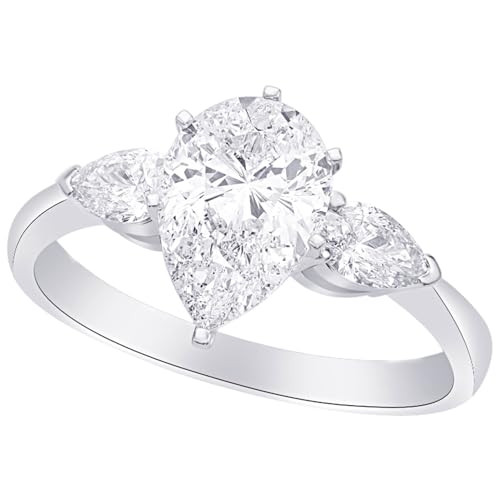
Gold and White Gold Engagement Rings
"Two metals, one unforgettable choice. Everything you need to know before you commit to yellow gold, white gold, or a two-tone design."
Choosing between gold and white gold is one of the most consequential decisions in the engagement ring buying process. The metal you select affects not only how the ring looks on your partner's hand, but also how well it survives daily wear, how often it needs maintenance, and how it pairs with an eventual wedding band. Couples researching this decision are typically comparing two metals that look dramatically different yet perform in surprisingly similar ways.
This guide breaks down the practical differences between gold and white gold engagement rings, including how each metal is made, how it ages, and which styles suit different lifestyles. By the end you will understand exactly what you are buying and why a particular metal might be the better long-term investment for your relationship.
Gold vs. White Gold: The Core Difference
Both metals begin with pure gold, but they take opposite paths from there. Yellow gold keeps the metal's natural warm hue by alloying it with silver, copper, and zinc. White gold uses a different alloy blend, typically including palladium, nickel, or silver, which neutralizes the yellow cast and produces a pale silver-white base. That base is then finished with rhodium plating to achieve the bright, mirror-like white surface most buyers recognize.
The result is two metals that feel identical in weight and behave similarly in strength, but age very differently. Yellow gold's color is intrinsic, so it retains its warm appearance even as it collects fine scratches. White gold's color is a surface treatment, meaning it gradually reveals its warmer alloy underneath as the rhodium wears. For couples comparing real diamond engagement rings, this distinction matters because the metal finish directly influences how white and brilliant the diamond appears.
Yellow Gold Engagement Rings
- Warm, classic color that never fades or needs re-plating
- Scratches blend into the metal and are less visible
- Excellent for vintage, art-deco, and nature-inspired designs
- Pairs beautifully with colored gemstones and warm diamond tones
- Requires only routine cleaning and occasional polishing
White Gold Engagement Rings
- Bright silver-white finish that makes diamonds appear whiter
- Modern, minimal aesthetic that suits contemporary settings
- Rhodium plating needs refreshing periodically to maintain color
- Excellent for halo, pavé, and intricate diamond-heavy designs
- Matches platinum and silver jewelry already in a collection
Key insight: White gold is not a distinct precious metal. It is yellow gold with a different alloy and a rhodium finish. This is why white gold rings require occasional re-plating while yellow gold rings do not.
Durability and Everyday Wear
When comparing the same karat, yellow gold and white gold offer near-identical durability. Both are alloyed to strengthen pure gold, and both resist bending and denting well in 14k and 18k formulations. The practical difference lies in how each metal shows age rather than how it performs under stress.
Yellow gold develops a soft patina of fine scratches over years of wear. Many owners consider this character rather than damage, and a quick polish restores the original shine. White gold's rhodium layer is harder than the base alloy, so it resists scratching initially, but once that layer thins, the warmer alloy underneath becomes visible. For a ring worn daily, expect rhodium re-plating every one to three years depending on activity level.
This makes white gold a slightly higher-maintenance choice for someone who works with their hands, plays sports, or rarely removes their ring. If your partner prefers a low-maintenance piece they can wear through anything, the forgiving nature of white gold engagement rings for women still works well, provided they accept periodic servicing as part of ownership.
Practical tip: If the wearer has an active lifestyle or sensitive skin, ask about nickel-free white gold alloys. Some white gold blends use palladium instead of nickel, which avoids allergic reactions and is a common upgrade in premium and luxury tier rings.
Matching Your Skin Tone
Metal color interacts directly with skin undertones, and this is where the visual difference between gold and white gold becomes most personal. Yellow gold tends to flatter warm undertones, which often appear in olive, golden, and deeper complexions. White gold complements cool undertones, which read as pink, blue, or neutral in natural light.
The most reliable approach is to try both metals on the actual hand in natural daylight rather than under jewelry store lighting. Many couples are surprised to find that a metal they disliked in a case looks striking when worn. If the wearer has a neutral undertone, both metals work, and the decision can shift toward personal style, wardrobe palette, and the color of other jewelry they already wear daily.
For couples planning complementary bands, consider how each metal will look beside a future wedding band. A wedding band and engagement ring set in matching metal creates a seamless stack, while deliberately mixed metals can look intentional and modern when done with confidence.
Choosing the Right Karat
Karat indicates gold purity, and it directly affects color depth, durability, and how the ring ages. The three common options behave predictably across both yellow and white gold, so the karat decision can be made independently of the color decision.
| Karat | Purity | Color Depth | Durability | Best For |
|---|---|---|---|---|
| entry-level10k | 41.7% gold | Paler, more muted | Highest scratch resistance | Budget-conscious buyers, very active wearers |
| mid-range14k | 58.3% gold | Balanced, rich | Excellent balance | Most engagement rings, everyday wear |
| premium18k | 75% gold | Deepest, most saturated | Softer, more prone to scratches | Heirloom pieces, luxury designs, special occasions |
For most buyers, 14k is the sweet spot. It delivers a satisfying color richness while holding up to daily wear, and it is the standard in most engagement ring collections. Buyers considering luxury wedding rings often prefer 18k for its depth of color and heirloom quality, accepting that it needs more careful handling.
Karat also matters for two-tone and mixed-metal designs. If you plan a gold and white gold wedding band, matching the karat across both metals keeps wear rates consistent and simplifies future resizing and repairs.
The Two-Tone Advantage
Two-tone engagement rings combine yellow gold and white gold in a single design, and they solve a very specific problem: couples who love the warmth of gold but want the diamond to read as icy white. The most common configuration places a yellow gold band against the finger with a white gold prong setting holding the center stone. The result is a ring that feels warm and traditional from the side while looking crisp and modern from above.
Two-tone designs also work well for couples who already own a mix of jewelry metals and want an engagement ring that bridges both. A white gold band with yellow gold accents can nod to tradition without committing fully, and it pairs easily with either a white gold and yellow gold engagement ring style or a matching two-tone band later.
The practical downside is limited: two-tone rings can be slightly harder to resize and may require a jeweler experienced with mixed-metal work. But for buyers who genuinely cannot decide between the two metals, a two-tone design often ends up being the most personal and versatile choice in the collection.
Which Settings Pair Best
The metal choice should complement the setting style, not fight it. Certain combinations have become classics for good reason, and others create visual tension that never quite resolves.
Yellow gold works best with: bezel settings, vintage-inspired filigree, solitaires with warmer diamonds, and rings featuring colored gemstones like sapphires or emeralds. The warm metal makes colored stones glow and gives vintage designs an authentic period feel.
White gold works best with: halo settings, pavé bands, cathedral settings, and any design where the diamond is the dominant visual element. The white metal recedes, letting the stone take center stage. If you are drawn to a 2 carat round diamond engagement ring, white gold prongs will make the stone appear larger and brighter than yellow gold would.
Two-tone works best with: three-stone rings, tension settings, and designs where you want contrast between band and setting. It is also a strong choice for buyers who want a ring that transitions between formal and casual wear.
For men's rings, the same logic applies. A 24k gold wedding band for men is a statement of tradition and warmth, while a gold and white gold men's wedding band offers a modern alternative that reads as both refined and contemporary.
Care and Maintenance
Both metals are easy to care for, but they need different routines. Yellow gold benefits from a simple cleaning routine: warm water, mild dish soap, and a soft brush to lift oils and dirt from behind the stone. A professional polish every year or two restores the original shine and removes fine scratches.
White gold needs everything yellow gold does, plus periodic rhodium re-plating. Most jewelers offer this as a quick service, and it restores the bright white finish that makes white gold distinctive. If the ring has a pavé band, check the small stones periodically for tightness, since rhodium wear can loosen settings over time.
Storage matters: Store gold and white gold rings separately from other jewelry to avoid scratches. A soft pouch or a lined compartment in a jewelry box is sufficient. Remove rings before swimming in chlorinated pools, gardening, or lifting weights, since these activities accelerate wear on any metal.
For couples building a full set, it helps to plan care in advance. A his and hers wedding bands set in the same metal can be cleaned and serviced together, simplifying the routine. Couples who choose a wedding ring set for him and her in mixed metals should confirm with their jeweler that both pieces can be serviced by the same provider.
If you are still exploring the broader category, our guide to white gold engagement rings for women covers stone selection and setting styles in more depth. For couples comparing investment levels, the affordable engagement ring guide explains where to save and where not to compromise.
Frequently Asked Questions
Ready to Compare Rings in Person?
Use the shopping section below to browse gold and white gold engagement ring options, then try both metals on in natural light before you decide. Our curated picks cover entry-level to luxury tier designs.
Browse Ring Recommendations