Wedding Band with a Diamond: A Complete Buying Guide
"The perfect symbol of forever. Discover how to choose a diamond wedding band that matches your style, lifestyle, and budget."
A wedding band with a diamond is more than just a piece of jewelry—it's a daily reminder of your commitment, a symbol of enduring love, and a stunning accessory that catches the light with every gesture. Whether you're looking for a subtle row of sparkling stones or a bold statement piece, a diamond wedding band offers a timeless elegance that never goes out of style.
For couples researching this important purchase, understanding the key factors—from diamond quality and metal choice to setting style and budget—is essential. This guide is designed to walk you through every consideration, so you can make a confident, informed decision. After reading, you'll be ready to explore our curated selection of top-rated diamond wedding bands at the end of this page.
Why Choose a Diamond Wedding Band?
Diamonds are the hardest known natural material, making them incredibly durable for everyday wear. Unlike other gemstones that may scratch or chip, a diamond wedding band is designed to withstand the rigors of daily life—from typing at a desk to gardening on the weekend. This durability ensures your ring remains as brilliant on your 50th anniversary as it was on your wedding day.
Beyond practicality, diamonds carry deep symbolism. They represent invincibility, eternal love, and clarity. Incorporating diamonds into your wedding band adds a layer of meaning that plain metal bands simply cannot match. It's a way to infuse your everyday symbol of commitment with a touch of luxury and personal significance. For those who love the classic look, pairing a diamond band with a solitaire engagement band creates a harmonious and striking set.
Key Takeaway: A diamond wedding band offers unmatched durability, timeless symbolism, and a brilliant sparkle that enhances any style. It's an investment in a piece you'll wear every day for the rest of your life.
Popular Styles of Diamond Wedding Bands
The style of your diamond band sets the tone for your entire bridal set. Here are the most popular options available today:
Half-Eternity Band
Diamonds are set across the top half of the ring, while the bottom half remains plain metal. This is the most popular style because it is comfortable, durable, and easy to resize. It's an excellent choice for active individuals or those who wear their ring daily.
Full-Eternity Band
Diamonds encircle the entire band, symbolizing never-ending love. This style offers maximum sparkle and is perfect for someone who wants a bold, glamorous look. However, full-eternity bands can be challenging to resize and may require special care.
Seven-Stone Band
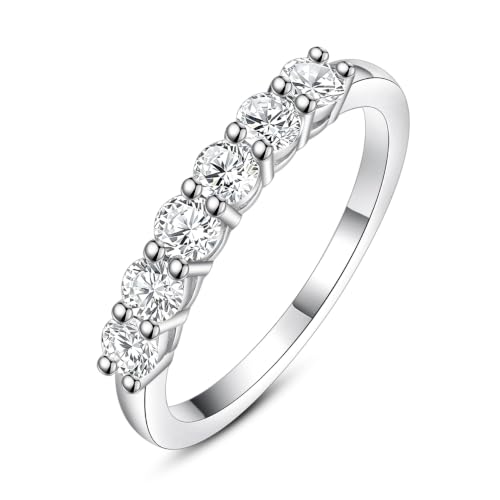
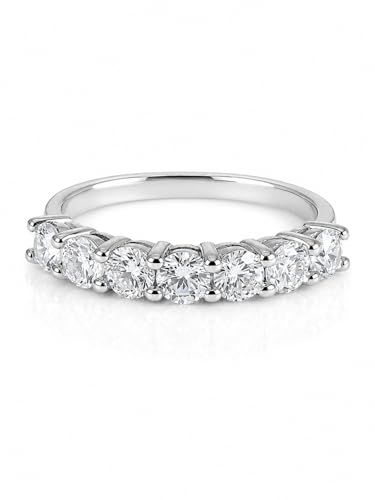
As the name suggests, seven diamonds are set in a row. This classic style represents the seven days of the week—a constant reminder of your love. It's a beautiful, balanced look that works well as a standalone ring or paired with an engagement ring.
Channel-Set Band
Diamonds are set between two walls of metal, creating a sleek, modern look. The channel setting protects the diamonds from snagging on clothing and is incredibly secure. It's a great choice for someone with a busy lifestyle.
If you're looking for something truly unique, consider exploring unique wedding band rings with asymmetric diamond placements or mixed metals. These designs can set your band apart and reflect your personal style.
Choosing the Right Metal
The metal of your band should complement both your engagement ring and your skin tone. Here's a breakdown of the most common options:
| Metal | Characteristics | Best For |
|---|---|---|
| White Gold | Classic, bright, and versatile. Often rhodium-plated for a brilliant white finish. Requires re-plating every few years. | Traditional styles, pairing with white gold or platinum engagement rings. |
| Yellow Gold | Warm, timeless, and hypoallergenic. A classic choice that never goes out of style. | Vintage-inspired designs, pairing with yellow gold solitaires. See our gold and white gold wedding band options. |
| Rose Gold | Romantic, trendy, and flattering on most skin tones. The copper content gives it a unique pink hue. | Boho or vintage themes, pairing with rose gold engagement rings. |
| Platinum | Luxurious, dense, and naturally white. Does not fade or require plating. Very durable. | Heirloom-quality pieces, those with sensitive skin, and premium rings. |
| Sterling Silver | Affordable and beautiful, but softer than other metals. Best for occasional wear or as a travel ring. | Budget-conscious shoppers or those wanting a secondary ring. Explore our sterling silver wedding bands. |
Setting Types: Prong vs. Bezel vs. Pavé
The setting is the structure that holds your diamonds in place. It dramatically affects the ring's overall look and durability.
- Prong Setting: The classic choice. Thin metal claws hold each diamond, allowing maximum light to enter and creating maximum sparkle. However, prongs can snag on clothing, so they require occasional professional tightening.
- Bezel Setting: A metal rim completely encircles each diamond. This setting is incredibly secure and protective, making it ideal for active lifestyles. It offers a sleek, modern look but slightly less sparkle than a prong setting.
- Pavé Setting: Small diamonds are set closely together with tiny beads of metal between them, creating a continuous surface of sparkle. This is a very delicate and elegant look, but it requires careful maintenance.
For a deep dive into different band styles, explore our guide to wedding band styles to see which setting fits your aesthetic best.
Matching Your Engagement Ring
Your wedding band will likely sit next to your engagement ring, so they should complement each other. Here are a few tips:
- Metal Match: While matching metals is the safest bet, mixed metals are a popular modern trend. A white gold diamond band can look stunning next to a yellow gold solitaire.
- Style Harmony: If your engagement ring is ornate, a simpler diamond band can balance it. If your engagement ring is a simple solitaire, a more detailed diamond band can add visual interest. For example, a wedding band for a marquise engagement ring often features curved details to hug the stone.
- Profile: Consider the height of your engagement ring. A low-profile diamond band will sit flush against it, while a higher-profile band may create a gap. If you have a ring with a prominent center stone, a wedding band for an emerald cut engagement ring may need a contour or notch to fit perfectly.
Pro Tip: When trying on bands with your engagement ring, pay attention to how they feel together. The band should not rub against the prongs or the center stone, as this can cause wear over time.
For men considering a diamond band, explore options like wedding rings with diamonds for men, which often feature a more substantial profile and masculine design. If you prefer a non-traditional metal, tungsten diamond rings for men offer incredible durability and a modern look.
Caring for Your Diamond Band
To keep your diamond band sparkling, follow these simple care tips:
- Clean Regularly: Soak your ring in warm, soapy water and gently scrub with a soft toothbrush. Rinse and pat dry. Avoid harsh chemicals like chlorine.
- Store Safely: Keep your ring in a soft pouch or a separate compartment in your jewelry box to prevent scratching.
- Annual Check-Up: Have a jeweler inspect the setting and prongs once a year to ensure the diamonds are secure.
If you're building a full bridal set, consider reading about wedding band and engagement ring sets for a perfectly coordinated look. For those who love stacking, our guide to stackable wedding rings offers inspiration for creating a personalized stack with your diamond band.