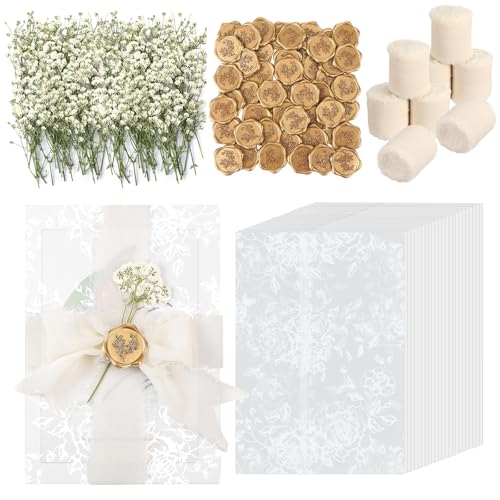
Invitation for Wedding: The Complete Guide
"Your first impression, your guest list, and your wedding's personality—all in one envelope. Learn how to choose, word, and send invitations with confidence."
Why Your Invitation Sets the Tone
The wedding invitation is the very first tangible piece of your celebration that your guests will hold. Long before they see the ceremony decor or taste the wedding cake, the envelope in their hands communicates the formality, style, and mood of your entire event. A letterpress card on thick cotton paper whispers "black-tie elegance," while a playful illustrated design signals a relaxed garden party.
Beyond aesthetics, invitations are a practical document. They tell guests when and where to arrive, how to RSVP, what to wear, and whether children are welcome. Getting this right prevents confusion, reduces last-minute text messages, and helps you build an accurate guest count for your reception and catering vendors.
For couples planning a smaller celebration, the invitation becomes even more important because every detail—including the intimate guest list—must be communicated with care. Think of the invitation as your wedding's opening act: it deserves the same attention you give to the venue, the florals, and the photography.
Save-the-Date vs. Invitation: What's the Difference?
Many couples confuse these two pieces of stationery, but they serve distinct purposes. A save-the-date is an early announcement with just enough information to help guests block the date and plan travel. A wedding invitation is the formal, complete request containing every detail a guest needs to attend.
Save-the-Date Card
Purpose: Gives guests an early heads-up so they can request time off, book flights, and arrange childcare.
What it includes: Couple's names, wedding date, city and state, and a note that a formal invitation will follow. For destination weddings, include hotel block or travel page hints.
When to send: Six to eight months before the wedding; ten to twelve months for destination weddings.
Casual to FormalWedding Invitation
Purpose: Formally requests attendance and provides all ceremony and reception details plus RSVP instructions.
What it includes: Host names, couple's names, date, time, venue address, dress code, RSVP deadline, and often a response card, reception card, and map or details card.
When to send: Six to eight weeks before the wedding; ten to twelve weeks for destination or holiday-weekend weddings.
Formal to Modern💡 Pro Tip: Coordinate your save-the-date and invitation so they share the same design language—colors, fonts, and monogram. This creates a cohesive stationery suite that feels polished from the first mailing to the last thank-you note.
The Invitation Timeline: When to Send What
Timing is everything. Send invitations too early and guests will forget; send them too late and they may already have plans. Use this timeline as your anchor, adjusting slightly for holidays, destination weddings, or a short engagement.
- 6–8 Months Before: Send Save-the-Dates This is especially important for weddings during peak season, holiday weekends, or any event requiring travel. Use the opportunity to direct guests to your wedding planning site for early details.
- 3–4 Months Before: Finalize Your Guest List and Order Invitations Confirm your guest count by household, then order invitations with ten to fifteen percent extras. This is also the time to finalize invitation wording, RSVP deadlines, and any insert cards.
- 6–8 Weeks Before: Mail Wedding Invitations Stuff, seal, and send your invitations. If you are inviting guests to a reception at a separate venue, include a reception card with those details.
- 3–4 Weeks Before: RSVP Deadline Set your RSVP deadline three to four weeks before the wedding so you have time to finalize seating, place cards, and your final headcount with your caterer.
- 2 Weeks Before: Finalize Details and Chasing Responses Follow up with guests who have not responded. Share final schedules and day-of logistics with your wedding planner or coordinator.
Holiday and destination weddings: Move the entire timeline earlier. Send save-the-dates up to twelve months ahead and invitations ten to twelve weeks before the event. Guests need extra time for flights, accommodations, and PTO requests.
Anatomy of a Wedding Invitation
A complete invitation suite can include several cards, each with a specific job. You do not need every piece—choose the ones that serve your guests. Here is a breakdown of the core components.
The Main Invitation
The centerpiece card. It announces the marriage, names the hosts, lists the couple, and gives the date, time, and ceremony venue. This is the most formal and visually prominent piece of the suite.
The RSVP or Response Card
A separate card (plus a pre-addressed envelope) that asks guests to accept or decline by a specific date. Include meal choices if applicable, and list the number of seats reserved for each household.
The Reception Card
If your reception is at a different location from the ceremony, this insert provides the venue address, start time, and any reception-specific notes such as cocktail hour or dinner service.
The Details or Information Card
A flexible insert that covers dress code, parking, hotel blocks, directions, and your wedding website URL. For destination weddings, this card can include travel and destination wedding etiquette notes.
Many couples also add a save-the-date wedding invitation card phase and later include a small printed schedule or menu. Keep the suite clean—only include what guests truly need, and direct them to your wedding website for anything else.
Wording Styles & Etiquette
Invitation wording is where tradition meets personality. The key is to match the tone of your wedding while respecting the relationships involved. Here are the three most common wording approaches.
Traditional Formal Wording
Best for black-tie, church, or classic weddings. The hosts are named first, followed by the formal request. For example: "Mr. and Mrs. John Carter request the pleasure of your company at the marriage of their daughter..." This style follows long-standing etiquette, so consult a traditional wedding etiquette guide if you want to get every line right.
Modern & Personal Wording
Perfect for couples hosting their own wedding or planning a modern minimalist wedding. A contemporary invitation might read: "Together with their families, Olivia and Daniel invite you to celebrate their marriage..." This approach feels warm, inclusive, and flexible.
Casual & Fun Wording
Ideal for backyard celebrations, elopements, or a DIY wedding. A casual invitation can use playful language and bold typography: "We're getting married! Join us for a party to remember..." Just be sure to still include the date, time, venue, and RSVP details.
💡 Etiquette Reminder: Always spell guest names correctly, include a clear RSVP deadline, and specify whether children are invited. If you are unsure how to handle sensitive guest-list questions, review wedding etiquette and plus-one etiquette before printing. Mistakes on invitations are expensive to fix—proofread every line twice.
Invitation Styles & Quality Tiers
Invitation design spans a wide spectrum, from simple printed cards to elaborate letterpress suites with foil and wax seals. To help you compare without relying on price tags, here is a consistent quality-tier framework used throughout this guide.
Entry-Level: Digital & Simple Prints
Clean, budget-friendly invitations printed on standard cardstock. Great for casual weddings, last-minute planning, or couples who prefer to allocate resources toward the wedding venue or photographer. Digital invitations are also a sustainable option.
Entry-LevelMid-Range: Premium Cardstock & Printing
Thicker paper, thermography or digital printing with metallic accents, and coordinating envelopes. This tier offers the best balance of elegance and value, making it the most popular choice for semi-formal and formal weddings.
Mid-RangePremium: Letterpress & Specialty Finishes
Letterpress printing on cotton paper, foil stamping, edge painting, and custom envelope liners. These suites feel substantial in the hand and photograph beautifully, ideal for black-tie or Gatsby-inspired weddings.
PremiumLuxury: Bespoke Design & Calligraphy
Fully custom design, hand calligraphy addressing, wax seals, silk ribbon, and presentation boxes. This top-tier option suits luxury weddings and couples who want the invitation to be a keepsake in itself.
LuxuryWhen choosing a tier, consider how the invitation fits into your overall wedding aesthetic. A luxury invitation suite pairs naturally with a luxury wedding ring and a grand ballroom, while an entry-level design can still look stunning when paired with thoughtful wedding flower ideas and elegant centerpiece supplies at the reception.
How to Shop Smart for Wedding Invitations
Before you order, gather these essentials: your final guest count by household, your wedding date and venue details, your RSVP deadline, and a clear sense of your wedding style. Order ten to fifteen percent extra invitations for mistakes and keepsakes.
When comparing options, look beyond the design. Paper weight (measured in GSM or pounds), printing method, and envelope quality all affect how the invitation feels. A mid-range suite with heavier cardstock often feels more premium than a flashy design on thin paper. If you are planning a small wedding, you can justify a higher tier per invitation because you need fewer of them.
Finally, order samples before committing to a full run. Check how the colors render, how the paper takes ink, and whether the envelope fits your inserts comfortably. A little testing upfront prevents a costly reprint later and keeps your stationery consistent with your wedding etiquette goals.
Do not forget the extras: Order matching place cards, save-the-date cards for wedding mailings, and thank-you notes in the same suite. A cohesive stationery set ties your ceremony, reception, and post-wedding correspondence together.