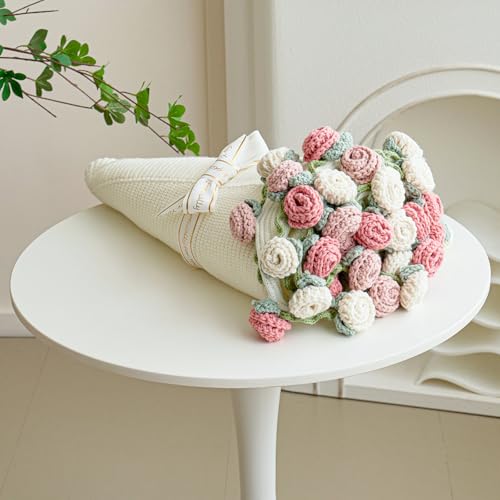
Wedding Flower Ideas for Every Style & Season
"From lush romantic bouquets to modern minimalist arrangements, discover how to choose flowers that tell your love story."
Flowers are the emotional heartbeat of your wedding decor. They soften a room, add fragrance, and provide the color that ties your entire vision together. But with so many varieties, styles, and price points, choosing the right blooms can feel overwhelming. Whether you dream of a cascading garden rose bouquet or a minimalist single-stem centerpiece, this guide will walk you through the essential decisions so you can move forward with confidence.
The key is to start with your overall wedding style—rustic, modern, romantic, or classic—and let that guide your flower choices. From there, factor in the season and your budget. With a clear plan, you can achieve a breathtaking floral look without the stress. Let's explore the most beautiful and practical wedding flower ideas for your celebration.
How Much to Spend on Wedding Flowers
Florals are often one of the largest line items in a wedding budget, but they are also one of the most flexible. The industry rule of thumb is to allocate 8 to 10 percent of your total budget to flowers. However, this is just a starting point. If you are planning a small wedding or an intimate elopement, you may find that a few statement pieces go a long way.
The biggest cost drivers are the types of flowers you choose, the season, and the complexity of the arrangements. Exotic blooms like peonies and garden roses sit at the premium end of the spectrum, while carnations, chrysanthemums, and greenery are budget-friendly heroes that can be used generously to create volume. A skilled florist can blend high-end and entry-level blooms to achieve a luxurious look without overstretching your budget.
💡 Smart Saving Tip: Repurpose your ceremony flowers at the reception. Altar arrangements can be moved to the head table, and bridesmaid bouquets can double as centerpieces in simple vases. This maximizes your floral investment and reduces waste.
If you are working with a tighter budget, consider focusing your floral spend on the elements that will appear most in photographs: your bridal bouquet, the ceremony backdrop, and the head table. For guest tables, greenery-heavy arrangements or candles can create a romantic atmosphere at a lower cost. You can explore more wedding reception ideas that blend florals with other decor elements.
Choosing Seasonal Blooms
One of the easiest ways to save money and ensure your flowers look their absolute best is to work with what is in season. Seasonal flowers are more abundant, more affordable, and arrive at the florist in peak condition. Here is a quick guide to the most popular wedding flowers by season:
Tulips, Peonies & Lilacs
Spring offers a fresh, delicate palette. Tulips are elegant and affordable, peonies are the ultimate romantic luxury bloom, and lilacs add a heavenly fragrance. Hyacinths and ranunculus are also at their best during this season.
Sunflowers, Dahlias & Zinnias
Summer weddings call for vibrant, sun-loving blooms. Dahlias are showstoppers in bold colors, sunflowers bring cheerful energy, and zinnias are hardy and available in a rainbow of shades. Lavender and cornflowers add a rustic touch.
Chrysanthemums, Marigolds & Roses
Autumn arrangements shine with warm tones. Chrysanthemums are incredibly long-lasting, marigolds add a golden glow, and roses are available year-round but pair beautifully with autumn foliage. Add berries and dried elements for texture.
Amaryllis, Anemones & Evergreens
Winter weddings can embrace dramatic, jewel-toned blooms. Amaryllis makes a bold statement, anemones offer delicate contrast, and evergreens like cedar and pine add texture and fragrance. White roses and orchids are timeless winter choices.
If you have your heart set on a specific flower that is out of season, be prepared to pay a premium. Your florist may be able to source it, but the quality may vary. For a more reliable and cost-effective approach, lean into what is naturally abundant during your wedding month. You can find more guidance on choosing flowers for a wedding bouquet in our dedicated guide.
Bridal Bouquet Styles
Your bouquet is the most personal floral element of the day. It will be in nearly every photo and is something you will hold close during the ceremony. The style should complement your dress, your personality, and the overall wedding theme.
Popular Bouquet Shapes
- Round & Compact: A classic, tightly arranged bouquet that looks polished and traditional. Perfect for formal weddings and structured gowns.
- Cascading: A dramatic, trailing bouquet that flows downward. Ideal for romantic, garden, or black-tie weddings. This style is often associated with luxury and grandeur.
- Hand-Tied & Loose: A relaxed, natural bouquet with stems visible and flowers loosely arranged. Perfect for rustic, boho, or beach weddings. This style looks effortless and is very photogenic.
- Single-Stem: A minimalist choice featuring one large statement bloom, such as a sunflower or a single peony. Great for modern, modern minimalist weddings.
- Posy: A small, round bouquet that is petite and sweet. Often used by flower girls or brides who prefer a subtle look.
Bouquet Pairing Tips
- Consider your dress: A heavily embellished gown pairs well with a simple bouquet, while a clean, minimalist dress can carry a more elaborate arrangement.
- Think about scale: A petite bride may be overwhelmed by a massive cascading bouquet. Choose a size that feels comfortable and proportionate.
- Add texture: Mix in greenery, berries, or dried elements to add depth and interest to your bouquet.
- Personalize it: Tuck a small photo locket, a piece of fabric from a family member's dress, or a special charm into the handle.
Don't forget the rest of your bridal party! Bridesmaid bouquets are typically smaller versions of the bride's bouquet, but you can also choose contrasting styles or colors. For a cohesive look, use the same flower varieties but in different shades. Our guide to bridal party planning can help you coordinate the entire group's look.
Ceremony Floral Arrangements
The ceremony space sets the tone for the entire day. Whether you are getting married in a church, a garden, or a ballroom, flowers can transform the space and create a beautiful focal point. The most common ceremony floral elements include:
- Altar or Arch Arrangements: These are the grandest floral pieces of the ceremony. They frame the couple during the vows and are the backdrop for your first kiss. You can choose a lush, asymmetrical design, a symmetrical pair of pillars, or a simple greenery garland. If you are renting an arch, consider DIY wedding arch ideas to save money.
- Aisle Decor: Aisle flowers guide the eye toward the altar and create a sense of occasion. Options include hanging mason jars, small potted plants, or petals scattered on the floor. For more inspiration, see our aisle decor guide.
- Pew or Chair Markers: Simple bunches of flowers or greenery tied to the ends of pews or chairs add a touch of elegance without a huge cost.
- Welcome Sign Florals: A small arrangement on your welcome sign or guest book table creates a warm first impression.
When planning ceremony flowers, consider the lighting and the architecture of the space. In a dark church, lighter-colored flowers will stand out more. In an outdoor setting, choose flowers that can withstand heat and wind, or consider high-quality silk alternatives. You can browse our wedding floral arrangements guide for more detailed ideas on structure and style.
Reception Centerpiece Ideas
Reception flowers are where you can really have fun and express your personal style. Centerpieces are the most visible floral element at the reception, and they come in a wide range of styles and price points.
Greenery & Candle Centerpieces
A lush runner of eucalyptus or ivy down the center of the table, punctuated with votive candles, creates a romantic, high-impact look for a fraction of the cost of a full floral arrangement. This is a favorite for DIY weddings.
Mixed Floral Posies
Small, tightly arranged posies in simple glass vases are versatile and elegant. They can be placed on every table and later given away as gifts to guests. Mix in seasonal blooms for freshness and color.
Tall Statement Arrangements
Tall, dramatic centerpieces on slender stands elevate the room and create a sense of grandeur. These are ideal for ballroom weddings and black-tie events. They often feature premium blooms like orchids, roses, and hydrangeas.
Lush, Low & Overflowing
A dense, low arrangement that spills over the edge of the table creates an intimate, luxurious feel. This style is perfect for long banquet tables and romantic, garden-inspired weddings. It requires a significant number of blooms, making it a top-tier choice.
When planning centerpieces, keep sightlines in mind. Tall arrangements can block conversation between guests, so consider alternating tall and low centerpieces or using clear vases. You can find more ideas for table decor in our centerpiece supplies section and explore wedding reception planning tips to bring it all together.
Color Palette & Flower Pairings
Your flower colors should harmonize with your overall wedding color palette and the season. Here are some timeless and trendy combinations to consider:
Classic & Romantic
- Blush & Ivory: A soft, romantic pairing of pale pink roses, white peonies, and dusty miller greenery. Perfect for spring and summer weddings.
- Burgundy & Gold: A rich, luxurious combination for autumn and winter. Think burgundy dahlias, golden roses, and bronze-toned greenery.
- White & Green: A fresh, timeless choice that works for any season. White roses, hydrangeas, and eucalyptus create a clean, elegant look.
Modern & Bold
- Terracotta & Sage: A warm, earthy palette that is perfect for boho weddings. Use terracotta-colored roses, sage-green foliage, and pampas grass.
- Jewel Tones: Deep purples, blues, and emerald greens create a dramatic, moody atmosphere for evening weddings.
- Monochrome: A single-color palette, such as all-white or all-red, creates a striking, modern statement. Vary the flower types and textures to keep it interesting.
When selecting your palette, consider the color of your bridesmaid dresses, the venue's existing decor, and the overall mood you want to create. Don't be afraid to mix textures and flower shapes—a combination of round roses, spiky delphiniums, and trailing greenery will always look more interesting than a single flower type. For more color inspiration, explore our wedding colors for a fall wedding guide.
DIY vs. Professional Florist
One of the biggest decisions you will make is whether to hire a professional florist or take a DIY approach. Both have their advantages and challenges. Here is a breakdown to help you decide:
Hiring a Professional Florist
- Pros: Expertise in design, sourcing, and setup. They handle delivery, installation, and breakdown, so you don't have to worry about logistics on the day.
- Pros: Access to a wider variety of blooms and the ability to create complex, large-scale installations.
- Cons: Higher cost. You will pay for their time, labor, and expertise, which can push your floral budget into the premium or luxury tier.
- Cons: Less flexibility to make last-minute changes.
DIY Wedding Flowers
- Pros: Significant cost savings, especially if you buy in bulk from a flower market or online wholesaler.
- Pros: Complete creative control. You can arrange the flowers exactly how you want them.
- Cons: Requires time, effort, and some skill. You will need to source, condition, and arrange the flowers yourself, often the day before the wedding.
- Cons: Risk of wilting or design mishaps if you are inexperienced.
A hybrid approach is often the best solution. You might hire a florist for your bridal bouquet and ceremony arch (the elements that will be most photographed), while doing DIY centerpieces or aisle decor yourself. High-quality silk flowers are an excellent option for DIY projects because they require no water and can be arranged well in advance. You can find more DIY wedding tips and inspiration in our dedicated guide.