Wedding Photographer: How to Choose & What to Expect
"Your photographs outlast the flowers, the cake, and the dress. Choose the person behind the lens with the same care you give every other detail."
Of every vendor you hire, the wedding photographer has the longest reach. The cake is eaten, the flowers wilt, and the music fades, but your photographs are the record your family will revisit for decades. That is why this decision deserves more research than almost any other line on your vendor list.
This guide walks you through the full selection process: understanding photography styles, vetting portfolios intelligently, asking the right questions, matching coverage to your timeline, and building a shot list that actually helps. If you are still assembling your overall vendor plan, start with our wedding vendor contract tips so every booking you make is protected.
Why the Photographer Matters Most
Photography is the one category where a mid-range choice can feel disappointing for years, while a premium choice often feels like the best decision of the entire planning process. Unlike decor or catering, photographs cannot be upgraded later. There is no re-shoot of your vows.
There is also a human factor. Your photographer is the vendor closest to you on the day itself. They are in the getting-ready room, they see the nervous hands, and they direct you during portraits. A calm, organized professional improves the experience of the day, not just the output. That is why portfolio quality and personal rapport should carry equal weight.
Think of it this way: a strong photographer can make a modest venue look remarkable, while a weak one can flatten a spectacular location. Prioritize the person, then the setting. For venue selection itself, see our wedding venues guide.
Wedding Photography Styles Explained
Before you contact anyone, decide which visual language feels like you. Most photographers blend styles, but nearly all have a dominant approach. Understanding the vocabulary makes shortlisting far faster.
Documentary & Photojournalistic
Candid, unposed, and observational. The photographer follows the day and captures real moments with minimal direction. Ideal for couples who feel awkward in front of a camera and want truthful coverage of family and friends.
Look for: strong sequencing, authentic expressions, and clean low-light reception work.
Traditional & Classic
Structured group portraits, formal family lineups, and predictable coverage. Highly valued by extended families and older guests who expect a polished, organized album.
Look for: efficient group posing, balanced lighting, and consistency across the gallery.
Editorial & Fine Art
Composed, magazine-inspired frames with careful attention to light, line, and negative space. Often leans toward soft, muted color palettes or dramatic contrast.
Look for: deliberate compositions and a consistent, identifiable edit across full galleries.
Natural & Lifestyle
Bright, warm, and relaxed, with gentle prompting rather than stiff posing. Usually strong in outdoor and garden settings, and very popular for small wedding celebrations.
Look for: movement in portraits and natural expressions rather than held smiles.
Whichever direction you lean, ask each shortlisted photographer for two complete galleries rather than a curated highlight reel. Full galleries reveal how they handle awkward moments, bad lighting, and ordinary reception minutes. For a deeper breakdown, read our companion guide on wedding photography styles.
How to Vet a Photographer
1. Review Full Galleries, Not Just Portfolios
A portfolio is a greatest-hits album. A full gallery shows the real working average. Scan for consistency in color, sharpness, and storytelling across an entire day, from dim hotel rooms to crowded dance floors.
2. Confirm Who Actually Shoots Your Date
Many studios employ associate photographers. If the person whose work you loved will not be present, you are booking a brand, not an artist. Ask directly and get the name in writing in the contract.
3. Check Backup and Redundancy
Ask how they protect your images: dual card slots, backup drives, and insurance for equipment failure. A professional should answer without hesitation. The same discipline applies to your broader logistics, which is why a wedding emergency kit belongs in every plan.
4. Verify Experience at Your Venue Type
Low-light ballrooms, windy beaches, and wooded outdoor sites each demand different skills. Request galleries from comparable settings. If you are marrying outdoors, pair this with our outdoor wedding venue guide.
5. Schedule a Real Conversation
A video call reveals more than any email exchange. You want a photographer who listens, offers structure, and can clearly explain how they will keep your day on schedule. Full guidance lives in our how to choose a photographer walkthrough.
Practical tip: Ask each photographer to describe their favorite wedding from the past year and why. The answer reveals their values: some prize emotion, others prize aesthetics, and a few prize efficiency. Choose the values that match yours.
Questions to Ask Before Booking
Bring this list to every consultation. The answers separate true professionals from enthusiastic hobbyists far faster than any portfolio review.
- Will you be the photographer on our date? Get the name in the contract.
- How many weddings do you shoot per year? Very high volume can signal limited attention per client.
- Do you bring a second shooter? A second shooter improves coverage of simultaneous events like both getting-ready rooms.
- What is your backup plan for illness or equipment failure? Ask for a named associate network.
- How do you handle low light and mixed lighting? Request reception examples.
- What is the turnaround time for the gallery? Get a written range, plus a preview timeline.
- Who owns the copyright, and what usage rights do we receive? Confirm printing and sharing rights.
- How many edited images do we receive? Ask for a typical range, not a guarantee of unlimited.
- What happens if our event runs long? Understand overtime terms in advance.
- Do you carry liability insurance? Most venues require it.
Our detailed question bank is available in questions for photographer. If you are also considering video, review questions for videographer alongside this list.
Coverage Hours & Deliverables
Coverage length is the single biggest driver of photography scope, and it is usually the lever couples pull first when refining their plan. Rather than choosing a number in isolation, build your day-of timeline first, then count the hours it needs.
Typical coverage windows:
Six hours — entry-level coverage for intimate ceremonies, courthouse-style days, or celebrations without extensive getting-ready photos.
Eight hours — the most common mid-range window, covering preparation through the first dances and early reception.
Ten to twelve hours — premium and luxury coverage for multi-location days, large wedding parties, or extended receptions with late-night moments.
Deliverables matter as much as hours. Clarify whether you receive a high-resolution online gallery, a print release, a physical album, or an engagement session. Albums and prints are often priced separately, so confirm what is included at each tier before comparing photographers side by side.
If your budget is tight, the most effective move is usually to shorten coverage rather than downgrade to a photographer whose full gallery you do not love. For allocation guidance across categories, see our photo and video budget guide and photo vs. video budget comparison.
Building Your Photo Checklist
A photo checklist is not a shot-by-shot script. It is a short, prioritized list that guarantees nothing essential is missed while leaving room for spontaneous moments. Send it to your photographer at least a week before the wedding, not on the morning of.
Essential Group Shots
List every combination you want, and assign one family member to gather each group. Without a wrangler, group portraits consume twice the time. Keep the formal list to roughly ten to fifteen combinations.
Moments Worth Protecting
Include the specific details you have invested in: heirloom jewelry, a handwritten note, a grandparent's reaction, a cultural ritual. If you are incorporating heritage elements, our guide to cultural weddings explains which moments deserve dedicated coverage.
Portrait Timing
Decide whether to do a first look or hold portraits until after the ceremony. A first look smooths the timeline and often yields calmer portraits, while a post-ceremony reveal preserves tradition. Explore both approaches in our first look ideas guide.
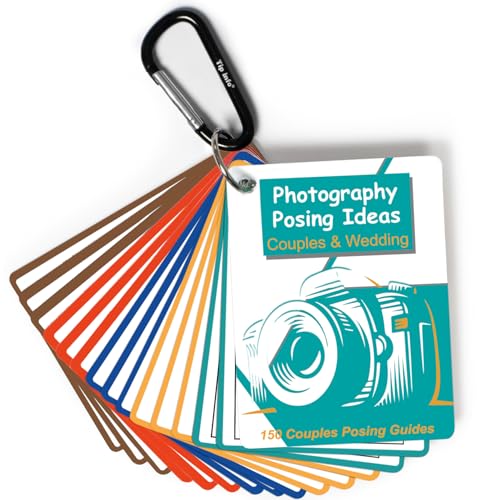
For light, plan portraits around golden hour when possible. The difference in warmth and dimension is substantial, and our golden hour photo guide explains how to schedule around it. Our full wedding photo checklist and family photo poses guide cover the details in depth.
Booking Timeline & Red Flags
Book your photographer immediately after your venue and date are locked. In most markets, top-tier photographers fill nine to twelve months ahead, and peak-season Saturdays can be reserved even earlier. Waiting narrows your options across every quality tier.
Warning Signs
- No written contract, or a contract that omits the photographer's name and coverage hours.
- A portfolio composed only of styled shoots and couple sessions, with no full wedding galleries.
- Reluctance to share references or discuss backup plans.
- Pressure to book immediately with a same-day discount.
- Unwillingness to clarify copyright, delivery timelines, or overtime terms.
A well-prepared photographer will welcome these questions, because good ones have answered them hundreds of times. The same professionalism should extend to your other bookings, which is why we recommend reading wedding vendor contract tips before signing anything.
Finally, remember the human dimension. Your photographer will be beside you during the most emotionally exposed hours of your life. Choose someone whose presence calms you, whose portfolio moves you, and whose contract protects you. That combination is worth far more than any single line item in your plan.