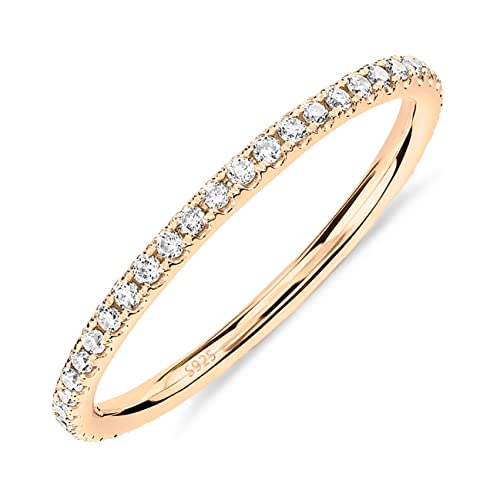
Eternity Band Ring: The Complete Guide to Timeless Sparkle
"A continuous circle of light—symbolizing love without end. Learn how to choose the perfect eternity band for your story."
An eternity band ring is more than jewelry—it is a promise made visible. With a continuous line of diamonds or gemstones encircling the finger, it represents never-ending love, making it a powerful choice for weddings, anniversaries, and milestone celebrations. Whether you are searching for a matching band to complement an engagement ring or a standalone statement piece, understanding the nuances of eternity bands will help you invest wisely.
This guide walks you through every decision point: full versus half eternity styles, diamond shapes, metal options, comfort-fit considerations, and long-term care. By the end, you will know exactly which eternity band fits your lifestyle, budget tier, and personal aesthetic.
What Is an Eternity Band Ring?
An eternity band is a ring set with a continuous row of identical gemstones—typically diamonds—around the band. The design symbolizes eternal love, with no beginning and no end. While the concept dates back centuries, modern eternity bands range from delicate micro-pavé styles to bold channel-set designs featuring substantial stones.
Eternity bands differ from traditional wedding bands in one key way: the stones. A classic wedding band may be plain metal or feature a single diamond. An eternity band, by contrast, is defined by its uninterrupted sparkle. This makes it a popular choice not only as a wedding ring but also as an anniversary gift, push present, or stacking ring.
Key Takeaway: Eternity bands are available in entry-level, mid-range, premium, and luxury tiers. The primary factors affecting tier are diamond quality (cut, color, clarity, carat), metal type, and setting craftsmanship. A mid-range band with excellent cut diamonds often outshines a top-tier band with poorly cut stones.
Full vs. Half Eternity: Which Suits You?
This is the most important decision you will make. Both styles offer distinct advantages, and the right choice depends on your priorities around comfort, resizing, and visual impact.
- Full Eternity Band: Diamonds encircle the entire ring. This offers maximum sparkle from every angle—ideal for photography and special occasions. However, full eternity bands cannot be easily resized, and the stones on the palm side can feel uncomfortable during gripping activities. They are best for those confident in their ring size.
- Half Eternity Band: Stones cover the top half or third of the band, leaving the bottom plain metal. This design is more comfortable for daily wear, can typically be resized, and is generally more affordable within the same quality tier. The trade-off is less visible sparkle from the underside, which rarely matters in practice.
- Three-Quarter Eternity: A middle-ground option with stones covering roughly 75% of the band. It offers more sparkle than a half eternity while retaining some resizing flexibility.
💡 Practical Tip: If you lead an active lifestyle, work with your hands, or anticipate finger size changes due to pregnancy or weight fluctuation, a half or three-quarter eternity band is the smarter investment. You get the look without the resizing headaches.
Diamond Shapes & Setting Styles
The shape of your diamonds and the way they are set dramatically affect the band's overall look and durability. Here are the most common options:
Diamond Shapes
- Round Brilliant: The classic choice. Round diamonds offer maximum brilliance and fire. They are the most versatile shape and pair well with round engagement rings.
- Princess Cut: Square-shaped with sharp corners. Princess cuts offer a modern, geometric look and typically cost less per carat than rounds within the same tier.
- Emerald Cut: Step-cut rectangular stones with elegant, hall-of-mirrors reflections. Ideal for those who prefer understated sophistication. Pairs beautifully with an emerald cut diamond band.
- Oval: Elongated rounds that flatter the finger. Oval diamonds are having a moment and offer excellent finger-lengthening effects.
- Asscher Cut: Similar to emerald cut but square. Offers a vintage, Art Deco aesthetic.
Setting Styles
- Prong Set: The most common and secure setting. Each stone is held by small metal claws, allowing maximum light to enter the diamond. Prong settings require periodic tightening.
- Channel Set: Stones sit flush between two parallel metal walls. This setting is sleek, protects the stones from snagging, and is ideal for active wearers.
- Pavé Set: Small stones set closely together with minimal visible metal. Pavé creates a continuous surface of sparkle but requires delicate care.
- Bezel Set: Each stone is encircled by a rim of metal. Bezel settings are the most protective and offer a modern, clean look.
Choosing the Right Metal
The metal you choose affects durability, color, maintenance, and how the diamonds appear. Consider your skin tone, lifestyle, and whether you want a classic or contemporary look.
- Platinum: The most durable and naturally white metal. Platinum is hypoallergenic and develops a soft patina over time. It is the top-tier choice for heirloom-quality eternity bands. Pairs well with gold and white gold wedding bands for mixed-metal stacks.
- White Gold: A popular mid-range option that offers a similar look to platinum at a more accessible price. White gold is rhodium-plated for brightness; replating every one to two years maintains the finish.
- Yellow Gold: Classic, warm, and timeless. Yellow gold never needs plating and hides scratches well. It complements warmer skin tones and vintage-inspired designs. Explore options like a gold diamond wedding band for a coordinated look.
- Rose Gold: Romantic and trendy, rose gold has a copper-infused warmth that flatters most skin tones. It is gaining popularity for both engagement and eternity bands.
- Titanium & Tungsten: These alternative metals are lightweight, extremely durable, and budget-friendly. However, they cannot be resized and are less traditional for fine diamond bands.
Mixing Metals: Many modern couples mix metals intentionally. A white gold eternity band paired with a yellow gold engagement ring creates a stylish contrast. There are no rules—choose what you love.
Comfort Fit and Wearability
If you plan to wear your eternity band daily, comfort is non-negotiable. Here is what to look for:
- Comfort Fit Interior: A comfort-fit band has a rounded interior that reduces friction against the finger. This is especially important for wider bands (4mm and above).
- Band Width: Narrower bands (2–3mm) are delicate and ideal for stacking. Wider bands (4–6mm) offer more surface area for stones and a bolder look but may feel bulky.
- Stone Height: Low-profile settings sit closer to the finger and are less likely to snag on clothing. High-profile settings show more diamond but can catch on fabric.
- Edge Finish: Smooth, polished edges are more comfortable than sharp or textured edges, especially for full eternity bands where stones contact the adjacent fingers.
If you are also shopping for your partner, explore wedding rings with diamonds for men and his and hers wedding band sets to coordinate a matching look.
Occasions: Wedding, Anniversary & Stacking
Eternity bands are incredibly versatile. Here is how couples and gift-givers use them:
- Wedding Ring: An eternity band makes a stunning wedding ring, especially when paired with a solitaire diamond engagement ring. The continuous stones complement the center stone without competing.
- Anniversary Gift: Eternity bands are traditional for milestone anniversaries—especially the first, tenth, and twenty-fifth. A five-year anniversary gift or 25th wedding anniversary gift of an eternity band is deeply symbolic.
- Stacking Ring: Thin eternity bands (1.5–2mm) are popular for stacking with engagement rings, plain bands, or other gemstone rings. Mix and match metals and stone shapes for a curated look.
- Push Present: Many partners gift an eternity band after the birth of a child, symbolizing the enduring family bond.
For a complete bridal set, consider how your eternity band will pair with a oval diamond ring with diamond band or a emerald cut wedding ring.
Care, Cleaning & Longevity
An eternity band is an investment. Proper care ensures it remains brilliant for decades.
- Daily Cleaning: Soak the ring in warm water with a drop of mild dish soap for 15–20 minutes. Gently scrub around the stones with a soft-bristled toothbrush. Rinse and pat dry with a lint-free cloth.
- Avoid Harsh Chemicals: Chlorine, bleach, and abrasive cleaners can damage metals and loosen stones. Remove your ring before swimming, cleaning, or applying lotions and perfumes.
- Professional Inspection: Visit a jeweler every six to twelve months for a professional cleaning and prong tightening. This is especially important for prong-set and pavé-set eternity bands.
- Storage: Store your eternity band separately in a soft pouch or lined jewelry box to prevent scratches from other jewelry.
- Insurance: Given the value of a diamond eternity band, consider adding it to your homeowner's or renter's insurance policy. Keep your appraisal documentation up to date.
💡 Longevity Tip: If you choose a full eternity band, have your jeweler check the stones on the palm side annually. These stones experience the most wear and are the most likely to loosen unnoticed.
Eternity Band FAQs
An eternity band ring is a lifelong companion—a piece you will wear daily, pass down, and cherish. By understanding the differences between full and half eternity styles, choosing the right diamond shape and metal, and committing to proper care, you will select a ring that brings joy for generations. Explore our curated selection below to find your perfect eternity band.