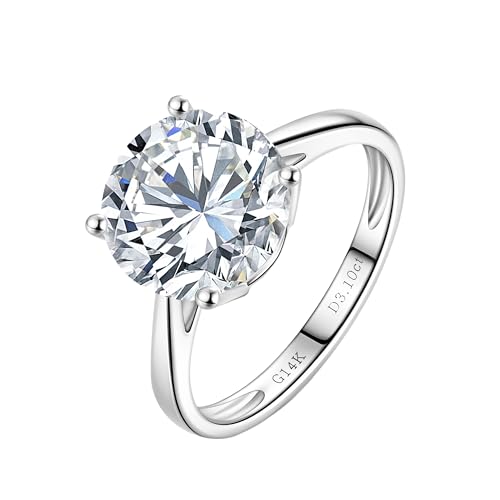
Lab Grown Diamond Rings for Sale
"Brilliant, ethical, and identical to mined diamonds. Discover how to choose the perfect lab grown diamond ring with confidence."
Lab grown diamond rings have transformed the engagement ring market. Once considered a niche alternative, they are now the preferred choice for savvy couples who want a stunning, high-quality diamond without the ethical or environmental concerns of mining. Whether you are searching for an engagement ring for women in diamond or a matching set, understanding the nuances of lab grown diamonds will help you make a confident purchase.
This guide will walk you through everything you need to know about lab created diamond bands, from understanding the 4Cs to choosing the right setting and certification. By the end, you will be fully equipped to select a ring that fits your style, values, and budget tier.
What Are Lab Grown Diamonds?
Lab grown diamonds are real diamonds. They are created in a controlled laboratory environment using two primary methods: HPHT (High Pressure High Temperature) and CVD (Chemical Vapor Deposition). These processes replicate the extreme conditions under which natural diamonds form deep within the earth, but they do so in a matter of weeks rather than billions of years.
The resulting stones are chemically, physically, and optically identical to mined diamonds. They have the same hardness (10 on the Mohs scale), the same refractive index, and the same brilliance. In fact, even a trained gemologist cannot distinguish between a lab grown and a mined diamond without specialized equipment.
Why This Matters: When you purchase a lab grown diamond ring, you are not compromising on quality or beauty. You are simply choosing a diamond with a known, ethical origin that was created using sustainable technology.
Lab Grown vs. Mined: Key Differences
While lab grown and mined diamonds are visually identical, there are practical differences that may influence your decision. The table below outlines the most important distinctions.
| Factor | Lab Grown Diamond | Mined Diamond |
|---|---|---|
| Origin | Created in a laboratory | Extracted from the earth |
| Visual Appearance | Identical to mined diamonds | Identical to lab grown diamonds |
| Value Tier | More accessible; allows for larger or higher-quality stones within a given tier | Premium tier; scarcity commands higher relative value |
| Resale Value | Lower resale value | Higher resale value, though still below retail |
| Environmental Impact | Minimal; uses renewable energy in many labs | Significant; mining disrupts ecosystems |
| Ethical Concerns | None; conflict-free by nature | Varies; Kimberley Process reduces but does not eliminate risk |
| Certification | IGI, GIA, and other reputable labs | GIA, AGS, and other reputable labs |
For couples who prioritize ethical sourcing and want to maximize the size and quality of their diamond within their budget tier, lab grown diamonds are an excellent choice. If resale value is a primary concern, a mined diamond may be more suitable. However, for most buyers, the benefits of lab grown diamonds far outweigh the drawbacks.
The 4Cs: What Matters Most
The 4Cs—Cut, Color, Clarity, and Carat—are the universal standards for evaluating diamond quality. Understanding how they apply to lab grown diamonds will help you make an informed decision.
Cut
Cut is the most important factor affecting a diamond's brilliance. A well-cut diamond will reflect light beautifully, regardless of its origin. Look for cut grades of Excellent or Very Good. In lab grown diamonds, cut quality is often superior because the manufacturing process allows for precise control.
Color
Diamonds are graded on a scale from D (colorless) to Z (light yellow). For lab grown diamonds, aim for a color grade of D to G for a white, bright appearance. Colorless lab grown diamonds are more readily available than their mined counterparts at higher grades.
Clarity
Clarity measures the presence of internal inclusions and external blemishes. The scale ranges from Flawless (FL) to Included (I). For lab grown diamonds, VS1 to VS2 clarity offers an excellent balance of quality and value. Inclusions in lab grown diamonds are often different from those in mined diamonds, but they are graded using the same standards.
Carat
Carat refers to the weight of the diamond. Lab grown diamonds allow you to afford a larger carat weight within your budget tier. For example, a mid-range budget that would purchase a smaller mined diamond can often secure a significantly larger lab grown diamond of comparable quality.
💡 Pro Tip: When shopping for lab grown diamonds, prioritize cut above all else. A well-cut diamond will appear more brilliant and hide color and clarity imperfections better than a poorly cut stone of higher color and clarity grades.
Certification: Your Proof of Quality
Certification is non-negotiable when purchasing any diamond, including lab grown. A certificate from an independent gemological laboratory verifies the diamond's authenticity and grades its quality. The most reputable labs for lab grown diamonds are:
- IGI (International Gemological Institute): The most widely used lab for lab grown diamond certification. IGI provides detailed reports that include the diamond's specifications and a clear notation that it is lab grown.
- GIA (Gemological Institute of America): The gold standard in diamond grading. GIA now certifies lab grown diamonds and provides reports that clearly distinguish them from mined diamonds.
- GCAL (Gem Certification & Assurance Lab): Another respected lab that offers comprehensive grading for lab grown diamonds, including light performance analysis.
Always insist on seeing the certificate before purchasing. The certificate should match the diamond's specifications and include a unique report number that you can verify online. This is especially important when buying online, where you cannot inspect the diamond in person.
Popular Ring Settings & Styles
The setting you choose will dramatically affect the overall look of your ring. Here are the most popular styles for lab grown diamond rings:
Solitaire Settings
A timeless classic. The solitaire setting features a single diamond held in place by four or six prongs. It maximizes the diamond's brilliance and is perfect for showcasing a large, high-quality lab grown diamond. This setting works beautifully with a round brilliant cut diamond engagement ring.
Halo Settings
A halo setting features a central diamond surrounded by a ring of smaller diamonds. This creates the illusion of a larger center stone and adds extra sparkle. A halo engagement ring is an excellent choice if you want maximum visual impact. You can also explore halo wedding rings for a cohesive bridal set.
Three-Stone Settings
Symbolizing the past, present, and future, a three-stone setting features a central diamond flanked by two smaller stones. This style is romantic and elegant, and it works well with a variety of diamond shapes. Consider pairing it with a wedding bands and engagement rings set for a coordinated look.
Vintage & Art Deco Settings
For a unique, romantic look, consider a vintage-inspired setting with milgrain detailing, filigree, or an Art Deco design. These settings often feature an oval diamond ring with diamond band or other fancy-cut stones.
When choosing a setting, consider your partner's personal style and lifestyle. Someone with an active lifestyle may prefer a lower-profile setting that is less likely to snag. Those who love classic elegance may gravitate toward a simple solitaire or a white gold and yellow gold engagement ring.
Smart Buying Tips
Buying a lab grown diamond ring is a significant purchase. Here are some tips to ensure you get the best value and quality:
Do Your Research
- Understand the 4Cs: Know what each grade means and how it affects the diamond's appearance and value tier.
- Compare Certificates: Look for certifications from IGI or GIA. Avoid diamonds without certification.
- See the Diamond in Person: If possible, view the diamond under different lighting conditions. Online retailers often provide 360-degree videos.
- Check the Return Policy: Ensure the retailer offers a hassle-free return policy, especially for online purchases.
Choose a Reputable Retailer
- Read Reviews: Look for reviews from verified customers. Check BBB ratings and social media feedback.
- Ask About Sourcing: Reputable retailers will be transparent about where their diamonds come from and how they are grown.
- Look for Warranties: Many retailers offer lifetime warranties on lab grown diamonds. Understand what is covered.
- Consider the Setting: The metal you choose (white gold, yellow gold, platinum) affects the overall look and durability. A white gold wedding ring for him or a gold and white gold wedding band are popular choices.
Remember: Lab grown diamonds offer an incredible opportunity to get a larger, higher-quality diamond within your budget tier. Take your time, compare options, and choose a ring that you and your partner will love for a lifetime. If you are also planning your wedding, explore our guide to wedding ring sets his and hers to find matching bands.