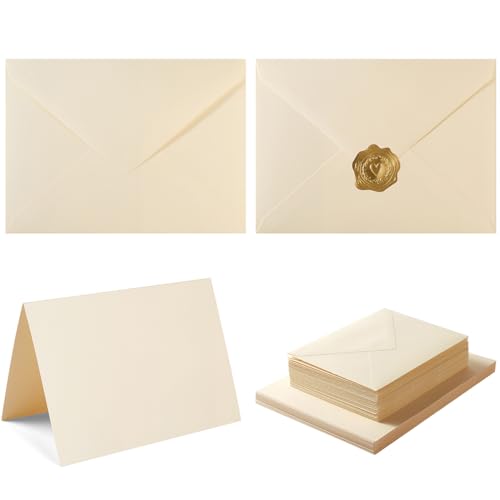
Wedding Stationery: The First Impression of Your Celebration
"From save the dates to thank you notes—curate paper goods that tell your love story before the ceremony even begins."
Wedding stationery is far more than paper—it is the first tangible piece of your wedding that guests will hold in their hands. Long before they arrive at your venue, your save the date or invitation sets expectations for the tone, style, and formality of the celebration to come. A beautifully designed invitation suite can make a black-tie gala feel even more elegant, while a whimsical illustrated save the date signals a relaxed, joyful gathering.
For couples in the research phase, the world of wedding paper goods can feel overwhelming. Should you order a full matching suite? Are letterpress invitations worth the investment? How far in advance should you mail save the dates? This guide breaks down every component of wedding stationery, from save the date cards to thank you cards with photos, so you can make informed decisions with confidence.
The Complete Wedding Stationery Suite
A traditional wedding stationery suite includes several pieces that work together to guide guests through your wedding journey. While you do not need every item on this list, understanding each component helps you prioritize what matters most for your celebration.
Core Components of a Wedding Stationery Suite:
• Save the Dates – Sent 6-12 months in advance to announce your wedding date and location.
• Invitations – The formal request including ceremony time, venue, and RSVP details.
• RSVP Cards – Often included with invitations, allowing guests to confirm attendance and meal choices.
• Thank You Cards – Sent after the wedding to acknowledge gifts and well-wishes.
• Wedding Signage – Directional signs, welcome boards, seating charts, and table numbers.
• Programs & Menus – Optional ceremony programs and reception dinner menus.
When planning your stationery, think of it as a cohesive collection rather than isolated pieces. Consistent typography, color palette, and design motifs across your save the dates, invitations, and sign-in sign create a polished, professional impression that guests will notice and appreciate.
Wedding Invitations: Your Formal Introduction
The wedding invitation is the centerpiece of your stationery suite. It carries the weight of tradition, setting the tone for formality while providing essential logistical details. Modern invitation designs range from minimalist and typographic to ornate and foil-stamped, ensuring every couple can find a style that reflects their personality.
Key Elements of a Wedding Invitation
- Host Names: Traditionally, the bride's parents are listed as hosts, but modern invitations often include both sets of parents or the couple themselves.
- Request to Attend: A formal phrase such as "request the pleasure of your company" or "joyfully invite you to celebrate."
- Couple's Names: The full names of the bride and groom (or couple), typically in a larger or more prominent font.
- Date and Time: The wedding date and ceremony start time, including the day of the week.
- Venue Details: The name and address of the ceremony location, and reception location if different.
- RSVP Information: A deadline and instructions for responding, often on a separate RSVP card.
💡 Pro Tip: Order your invitations 4-5 months before the wedding to allow time for design proofs, printing, and assembly. Always order 10-15% extra to account for last-minute guest list changes, printing errors, or keepsake copies. For wording guidance, consult our wedding invitation wording guide.
Save the Dates: The Early Announcement
Save the dates are the informal precursor to your formal invitation. They serve a practical purpose: giving guests ample time to arrange travel, request time off work, and budget for your celebration. For destination weddings or weddings falling on holiday weekends, save the dates are virtually essential.
Unlike invitations, save the dates can be playful and creative. Popular formats include magnets, postcards, and folded cards featuring engagement photos. The design should hint at your wedding's style—a rustic wedding might feature kraft paper and botanical illustrations, while a modern celebration might opt for bold typography and geometric shapes.
Send save the dates 6-12 months before the wedding. If your guest list includes many out-of-town guests or your wedding falls during a busy travel season, lean toward the earlier end of that range. For more inspiration, explore our collection of save the date cards for weddings.
Thank You Cards: Gratitude in Print
Thank you cards are the final—and arguably most important—piece of your wedding stationery suite. Sending prompt, personal thank you notes for gifts and well-wishes is a timeless etiquette requirement that demonstrates appreciation and strengthens relationships with your guests.
Order thank you cards alongside your invitations to ensure design consistency, or choose a complementary style if you prefer variety. Photo thank you cards featuring a wedding portrait are a popular choice, combining gratitude with a cherished memory. Aim to send thank you notes within 2-3 months of receiving a gift, and always personalize each message rather than relying on printed signatures.
For guidance on wording and timing, see our comprehensive thank you note guide.
Wedding Signage: Guiding Guests with Style
Wedding signage extends your stationery design into the physical space of your venue. From welcome boards and directional arrows to seating charts and table numbers, signage serves both practical and aesthetic purposes—helping guests navigate your celebration while reinforcing your design theme.
Popular signage options include:
- Welcome Signs: Greeting guests as they arrive, often featuring the couple's names and wedding date.
- Seating Charts: Displaying table assignments in a visually appealing format, from calligraphy scrolls to modern acrylic boards.
- Directional Signs: Pointing guests toward the ceremony space, reception area, restrooms, and parking.
- Table Numbers: Identifying tables with numbers or creative names, often coordinated with centerpieces.
- Guest Book Signs: Encouraging guests to sign your sign-in sign or guest book with a thoughtful prompt.
Signage can be custom-printed or DIY. Many couples purchase blank acrylic or wooden boards and add vinyl decals or hand-lettering, creating a personalized look that matches their invitation suite.
Choosing Quality: Entry-Level to Luxury
Wedding stationery spans a wide range of quality tiers, from budget-friendly digital prints to luxury letterpress and foil-stamped designs. Understanding these tiers helps you allocate your stationery budget strategically while achieving the look you desire.
Quality Tiers Explained:
• Entry-Level: Digital printing on standard cardstock. These invitations offer affordability and quick turnaround, ideal for casual weddings or couples prioritizing other budget areas.
• Mid-Range: Thermography or offset printing on premium cardstock with options for embellishments like belly bands or envelope liners. These suites balance quality and value, offering a polished look without the premium price tag.
• Premium: Letterpress or foil stamping on high-quality cotton paper. These techniques create tactile, luxurious pieces that guests will remember. Premium suites often include matching RSVP cards, enclosure cards, and custom envelopes.
• Luxury: Hand-calligraphed envelopes, die-cut shapes, wax seals, and bespoke illustrations. Luxury stationery is a work of art, often produced by specialist studios with extended lead times.
Regardless of your chosen tier, prioritize readability and clarity over ornamentation. Guests need to easily find your wedding date, time, and venue address. A clean, well-organized layout is more important than elaborate embellishments. For couples seeking to save on stationery, consider investing in premium invitations while selecting mid-range save the dates and thank you cards.
Explore our curated collection of wedding stationery products below to find the perfect pieces for your celebration.