Wedding Save the Date Cards: A Complete Guide
"The first official announcement of your big day. Learn how to design, word, and time your save the dates to perfection."
Your wedding day is set, the venue is booked, and you've shared the exciting news with your closest friends and family. The next step in the journey is to formally announce your date to the wider guest list. This is where wedding save the date cards come in. They are more than just a courtesy; they are a crucial piece of your wedding stationery suite that gives your guests the heads-up they need to clear their calendars and make travel arrangements.
Unlike the formal invitation, which is packed with details like menu choices and RSVP deadlines, a save the date is a simple, elegant "heads-up." It sets the tone for your entire event and is often the first design element you'll create. This guide will walk you through everything you need to know, from the perfect timing to the most elegant wording, ensuring your save the dates are as memorable as the day itself.
What Are Save the Date Cards?
A save the date card is a preliminary announcement sent to guests before the official wedding invitation. Its primary purpose is to prevent conflicts by allowing friends and family to mark their calendars well in advance. This is especially important during busy wedding seasons or for destination weddings, where travel planning is a significant commitment.
Key Distinction: A save the date is not an invitation. It does not require an RSVP and should not include registry details or full ceremony information. Think of it as a friendly placeholder, while the invitation is the formal call to action.
The Golden Rule of Timing
Timing is everything when it comes to save the dates. Send them too early, and guests might forget; send them too late, and they may have already made other plans. The general consensus among wedding planners is to send your save the dates 6 to 8 months before your wedding date. However, there are a few exceptions that require more lead time.
💡 Pro Planner Tip: For a destination wedding, send your save the dates 9 to 12 months in advance. If your wedding falls on a holiday weekend or during peak wedding season in your area, aim for the earlier end of that range. Giving guests extra time for travel and accommodation planning is always appreciated.
Choosing Your Style: Magnets, Cards, and More
Save the dates have evolved far beyond a simple piece of cardstock. You can now choose from a variety of formats to suit your style, budget, and the practical needs of your guests.
Save the Date Magnets
A perennial favorite, magnets are practical and likely to be kept on a fridge, serving as a constant reminder. They are a mid-range option that offers excellent visibility. Choose a strong, high-quality magnet for a premium feel.
Classic Cardstock
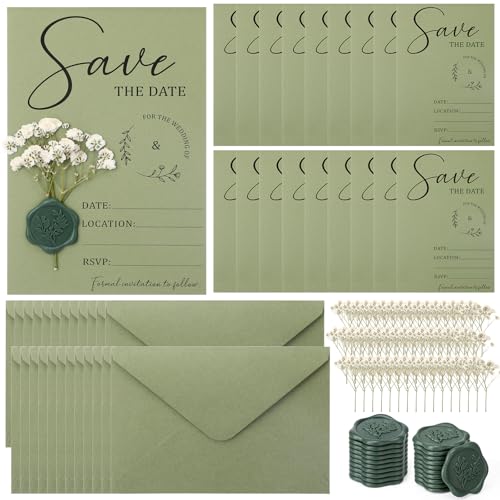
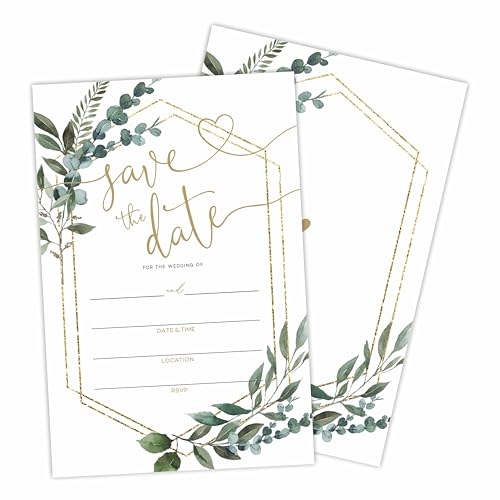
The most traditional choice. You can opt for a simple postcard, a single card in an envelope, or a more elaborate folded card. This is a budget-friendly option that offers endless design possibilities.
Digital Save the Dates
For a modern, eco-friendly, and budget-friendly approach, consider sending a digital save the date via email or social media. This is a great option for a younger guest list or a casual event, and it allows you to link directly to your wedding website.
Creative Keepsakes
Think outside the box with save the dates that are also small gifts. This could be a packet of flower seeds, a custom ornament, or a small bottle of wine. These are a luxury option that makes a lasting impression but require more planning and a higher budget.
The Art of Save the Date Wording
The wording on your save the date should be clear, concise, and reflective of your wedding's tone. It doesn't need to be overly formal, but it should include all the essential information. Here are the key elements to include:
- Your Full Names: The names of the couple getting married.
- The Date: At minimum, the month and year. A full date is better for clarity.
- The Location: The city and state of the wedding venue. You don't need the full address.
- Your Wedding Website: This is the perfect place to direct guests for more information, like travel and accommodation details. Use a link or a QR code.
- A Note: A simple phrase like "Formal invitation to follow" is a polite way to let guests know that this is not the final invitation.
Design Tips for a Cohesive Look
Your save the date is the first glimpse into your wedding's aesthetic. It should hint at the style and formality of the event to come. If you're planning a modern minimalist wedding, your save the date should reflect that with clean lines and simple typography. For a romantic boho wedding, you might use floral motifs and a more relaxed font.
Design Cohesion: You don't need to use the exact same design as your invitation, but the colors, fonts, and overall vibe should feel related. Think of it as a beautiful preview, not a copy. You can find more inspiration for your overall stationery suite in our wedding stationery guide.
Save the Date Etiquette
There are a few unwritten rules to keep in mind when sending out save the dates. Following these simple etiquette guidelines will ensure you start your wedding planning journey on the right foot.
- Only Send to Guests You Will Invite: A save the date is a commitment. Only send them to people who will definitely receive an invitation. Sending a save the date and then not inviting someone is a major faux pas.
- Don't Include Registry Information: It is considered impolite to mention gifts or registries on a save the date. This information belongs on your wedding website or in the shower invitations. You can learn more in our guide to wedding gift etiquette.
- Keep it Simple: Avoid including details that might change, such as the exact ceremony time. The save the date is about the "when" and "where," not the "what time."