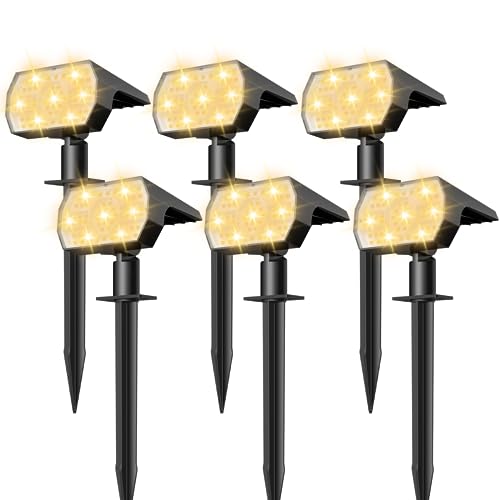
Solar Powered Outdoor Lights: Illuminate Your Outdoors
"Harness the sun to light up your garden, pathways, and patio—without wiring or rising energy bills."
Solar powered outdoor lights have transformed the way homeowners approach exterior illumination. By converting sunlight into electricity through photovoltaic panels, these fixtures provide reliable, eco-friendly lighting without the need for complex wiring, trenching, or professional installation. Whether you want to highlight a garden path, secure a dark corner of your property, or create a warm ambiance on your patio, solar lights offer a practical and sustainable solution.
Modern solar lights have evolved significantly from the dim, short-lived models of the past. Today's options feature high-efficiency LED bulbs, advanced lithium-ion batteries, and durable weather-resistant housings. They can deliver impressive brightness, intelligent motion sensing, and even customizable color temperatures—all while operating completely off-grid. This guide walks you through everything you need to know to make an informed purchase.
Why Choose Solar Powered Outdoor Lights?
The appeal of solar lighting goes beyond environmental benefits. For many homeowners, the biggest advantage is the elimination of electrical work. There is no need to hire an electrician, dig trenches, or worry about building codes. You simply stake the light into the ground or mount it on a wall, and it begins charging immediately.
Another major benefit is cost predictability. Once installed, solar lights draw zero electricity from the grid. While the initial investment may be higher than a basic wired fixture, the long-term savings on energy bills and installation costs often make solar the more economical choice. Additionally, because they are self-contained, solar lights continue to operate during power outages—a valuable safety feature in storm-prone regions.
From a design perspective, solar lights offer unmatched flexibility. You can reposition them seasonally, experiment with different layouts, and illuminate areas that would be impractical or expensive to wire, such as the middle of a lawn or a remote garden bed. For those planning an outdoor event or wedding, solar string lights and pathway markers can create a magical atmosphere without the hassle of extension cords.
Eco-Friendly Bonus: Solar lights reduce your carbon footprint by relying on renewable energy. Pair them with other sustainable choices—like solar landscape lighting for garden beds—to create a fully green outdoor lighting system.
Types of Solar Outdoor Lights
The market offers a wide variety of solar lighting solutions, each designed for specific applications. Understanding the differences helps you choose the right product for your needs.
Solar Pathway Lights
These are the most common type, designed to line walkways, driveways, and garden paths. They typically stake into the ground and cast light downward. Entry-level models provide decorative accent lighting, while mid-range and premium options offer brighter, wider beams for safety. Look for models with adjustable height and durable stainless steel or die-cast aluminum construction.
Solar Garden Spotlights
Spotlights are ideal for highlighting trees, shrubs, or architectural features. They produce a focused beam and are often adjustable. Mid-range and high-end spotlights may include separate solar panels connected by a cable, allowing you to place the panel in direct sunlight while aiming the light at a shaded focal point.
Solar Security Lights
These fixtures are designed for safety and deterrence. Many feature motion sensors that trigger bright illumination when movement is detected. Premium security lights can produce several hundred lumens and may include dual-head designs for wide coverage. They are ideal for garages, sheds, and dark side yards.
Solar String Lights
Perfect for patios, pergolas, and outdoor entertaining areas. These decorative lights hang in strands and often include vintage-style Edison bulbs. They are popular for creating a warm, inviting ambiance. Battery life varies, but mid-range models can run for 8–12 hours on a full charge.
Solar Wall and Deck Lights
Mount these on walls, fences, or deck railings to illuminate steps and entryways. They are available in flush-mount and angled designs. Many models feature dusk-to-dawn operation, automatically turning on at sunset and off at sunrise. Look for IP65 ratings for reliable performance in wet conditions.
Solar Flood Lights
For wide-area illumination, flood lights are the go-to choice. They are commonly used for driveways, large yards, and commercial spaces. Premium flood lights can deliver high lumen output and may include remote controls for brightness adjustment and scheduling.
When selecting a type, consider both the function (safety, decoration, security) and the location. A pathway light with a soft glow may be perfect for a flower bed, while a motion-activated flood light is better suited for a back gate. For comprehensive coverage, many homeowners combine several types—for example, using solar for outdoor lights along paths and spotlights to accent trees.
Key Features to Evaluate
Not all solar lights are created equal. Understanding the technical specifications will help you separate high-quality products from those that may disappoint.
Brightness (Lumens)
Lumens measure the total amount of visible light emitted. For decorative pathway lighting, 10–50 lumens is sufficient. For safety and security, aim for 100–300 lumens. Flood lights and security models may exceed 500 lumens. Keep in mind that higher lumens often require larger solar panels and batteries, so balance brightness with charging capability.
Battery Type and Capacity
Most solar lights use lithium-ion or NiMH batteries. Lithium-ion batteries generally offer better performance, longer lifespan, and are more resistant to memory effect. Capacity is measured in milliamp-hours (mAh); higher capacity means longer runtime after dark. Premium models often feature replaceable batteries, extending the product's usable life.
Solar Panel Efficiency
Monocrystalline panels are more efficient than polycrystalline panels, especially in low-light conditions. They are slightly more expensive but often worth the investment for areas that receive less direct sun. Panel size also matters—larger panels charge faster and can support brighter lights.
Weather Resistance (IP Rating)
The IP (Ingress Protection) rating indicates resistance to dust and water. For outdoor use, look for at least IP44 (protected against splashing water). IP65 or higher is recommended for areas with heavy rain, coastal environments, or dusty conditions.
Smart Features
Mid-range and premium solar lights may include motion sensors, dusk-to-dawn automation, remote controls, and adjustable color temperatures. Some models offer app connectivity for scheduling and brightness control. These features add convenience but also increase complexity and cost.
Pro Tip: Check the operating time specification. A quality solar light should run for at least 6–8 hours on a full charge. If the product claims "all night" performance, verify that the battery capacity and panel size support that claim.
Installation and Placement Tips
Proper placement is critical for solar lights to perform well. The solar panel needs direct sunlight for as many hours as possible—ideally 6–8 hours per day. Avoid placing lights under heavy tree cover, deep eaves, or in the shadow of buildings. If a location is shady but you still want light there, choose a model with a separate panel that can be positioned in a sunnier spot.
For pathway lights, space them evenly along the walkway—typically 6–8 feet apart—to create a consistent glow. Angle spotlights carefully to highlight features without causing glare. Security lights should be mounted high enough to avoid tampering but low enough to detect motion effectively. Before finalizing placement, observe the sun's path across your yard during different times of day.
If you are lighting a deck or patio, consider the solar powered outdoor lights that mount directly to railings or walls. These are easy to install with screws or adhesive and often feature adjustable heads. For large areas, combine multiple light types to achieve balanced coverage.
Maintenance and Troubleshooting
Solar lights require minimal maintenance, but a few simple habits will keep them performing at their best. Clean the solar panels periodically with a soft, damp cloth to remove dust, pollen, and bird droppings. Dirty panels reduce charging efficiency and can significantly shorten runtime.
During winter or extended periods of low sunlight, consider bringing smaller lights indoors or storing them in a garage to protect the batteries. If a light stops working, first check the battery—it may need replacement after a few years of use. Many models use standard rechargeable batteries (such as AA or AAA NiMH) that are easy to swap out.
If a light flickers or dims prematurely, verify that the panel is not obstructed and that the battery is fully charging. In some cases, resetting the light by turning it off and on again can resolve minor issues. For persistent problems, consult the manufacturer's warranty—quality brands often provide multi-year coverage.
How to Choose the Right Set
With so many options available, narrowing down the best solar powered outdoor lights for your home can feel overwhelming. Start by defining your primary goal: Are you lighting a path for safety? Creating ambiance for evening gatherings? Or securing a dark area? Each goal points to a different product category.
Next, assess your sun exposure. If your yard receives full sun for most of the day, you have flexibility. For partially shaded areas, invest in models with high-efficiency panels and larger batteries. Consider the build quality as well—stainless steel and die-cast aluminum housings last longer than plastic, especially in harsh weather.
Finally, think about scalability. Many homeowners start with a few pathway lights and gradually expand. Choosing a consistent style and brand makes it easier to add matching fixtures later. And if you plan to host outdoor events, consider adding decorative string lights alongside functional pathway and security lights. The combination of solar for outdoor lights and solar landscape lighting creates a layered, welcoming environment.
Quick Buying Checklist:
✓ Lumen output matches your intended use (decorative vs. security)
✓ Battery type and capacity suitable for your climate
✓ IP rating of 44 or higher for outdoor durability
✓ Panel efficiency (monocrystalline preferred)
✓ Replaceable batteries for longevity
✓ Warranty and customer support