Solar Landscape Lighting: Brighten Your Outdoor Space
"Illuminate your garden, patio, or pathway with eco-friendly solar lights. Discover how to choose, install, and style the perfect outdoor lighting."
Solar landscape lighting has revolutionized the way we illuminate our outdoor spaces. No longer are you tethered to complicated wiring, expensive electricians, or high energy bills. With a simple stake in the ground, you can transform a dark, unused yard into a magical evening retreat. Whether you're looking to highlight a beautiful tree, light a safe path to your front door, or create a cozy ambiance for outdoor entertaining, solar lights offer a versatile, eco-friendly, and cost-effective solution.
As you explore solar landscape lighting, you'll find that modern options are far more advanced than the dim, plastic lights of the past. Today's models feature high-efficiency panels, warm LED bulbs, and durable weather-resistant materials. This guide will walk you through everything you need to know to make an informed decision and create a stunning outdoor lighting design.
Why Choose Solar Landscape Lighting?
The shift toward solar-powered outdoor lights is driven by a combination of practicality and aesthetics. The primary benefit is, of course, the energy savings. Because they generate their own power from the sun, they add zero to your monthly utility bill. This makes them an ideal choice for anyone looking to reduce their carbon footprint or simply avoid the hassle of trenching wires across their lawn.
The Installation Advantage: The biggest hurdle for traditional outdoor lighting is installation. You either need to hire an electrician or spend a weekend digging trenches and running conduit. Solar lights eliminate this entirely. Most models are "plug-and-play"—simply stake them into the ground where you want them. This also means you can easily move them around, change your design with the seasons, or take them with you if you move homes.
Types of Solar Lights for Your Yard
The market for solar for outdoor lights is vast, and understanding the different categories will help you choose the right fixtures for your specific needs. Here are the most common types you'll encounter.
Pathway & Stake Lights
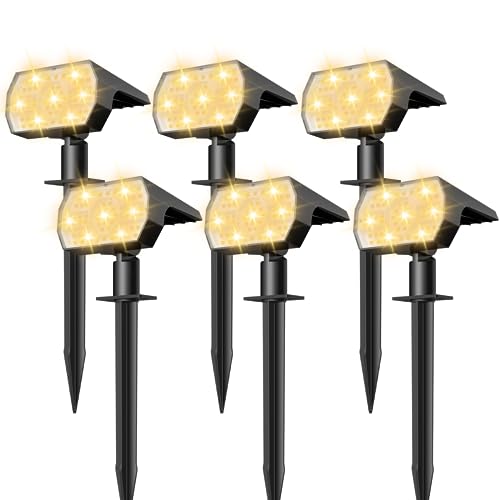
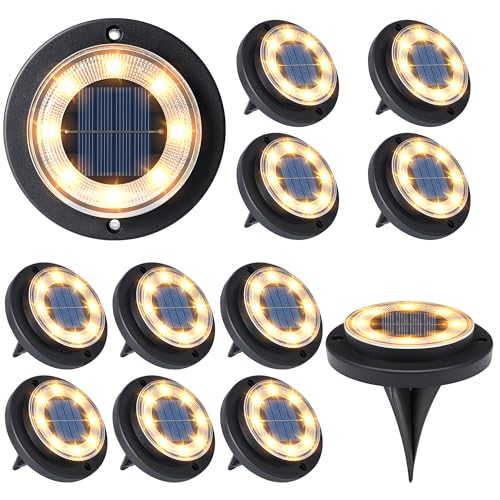
These are the classic solar lights, designed to line walkways, driveways, and garden beds. They are typically entry-level to mid-range and are perfect for safety and marking boundaries. Look for models with a warm white glow (2700K-3000K) for a welcoming feel.
Spotlights & Floodlights
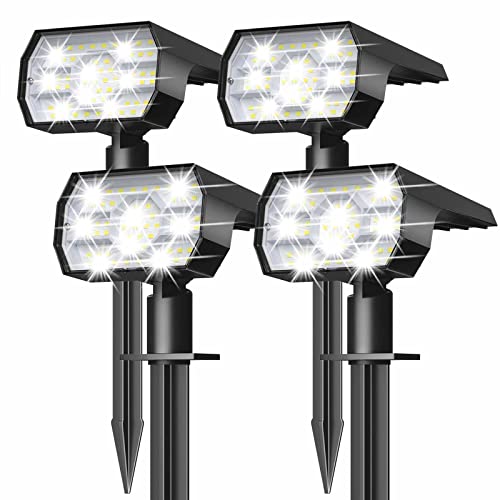
These are used to highlight architectural features, trees, or statues. They are more powerful and often have adjustable heads. Mid-range and premium models offer higher lumens and better beam control. These are excellent for adding drama to your landscape.
String Lights & Festoon
Perfect for creating a festive, cozy atmosphere on a patio or pergola. While many string lights are plug-in, there are excellent solar-powered options with a separate panel. They are a top-tier choice for ambient lighting during outdoor gatherings.
Wall & Post Cap Lights
These are designed for mounting on walls, fences, or deck posts. They provide focused, downward illumination. They are a stylish way to light a perimeter or add safety to a staircase without the need for wiring.
How to Choose the Right Solar Lights
With so many options, it's easy to feel overwhelmed. Focus on these key factors to ensure you get the best performance for your specific application.
1. Brightness (Lumens)
Lumens measure the total amount of light produced. Don't confuse this with watts, which measures energy consumption. For pathway lighting, you'll want a lower lumen output (around 10-50 lumens) to create a subtle glow. For security or spotlighting, you'll need a much higher output (200-1000+ lumens). A mid-range light will typically offer a good balance for general garden use.
2. Battery Life & Quality
The battery is the heart of a solar light. Most modern lights use lithium-ion (Li-ion) or nickel-metal hydride (NiMH) batteries. Li-ion batteries generally perform better in cold weather and have a longer lifespan. Look for lights with a replaceable battery, as this will extend the life of your fixture significantly. Premium models often feature larger batteries that can store enough charge for 8-10 hours of light, even after a cloudy day.
3. Build Quality & Weather Resistance
Your lights will be exposed to rain, snow, and UV rays. Look for an IP (Ingress Protection) rating. An IP65 rating or higher means the light is dust-tight and protected against water jets, making it suitable for all-weather use. Materials like stainless steel, aluminum, and high-quality ABS plastic will resist rust and fading better than cheap alternatives.
💡 Pro Tip: When comparing solar lights, a "high-end" model isn't just about brightness. It's about the efficiency of the solar panel and the intelligence of the charge controller. A top-tier light will charge faster and manage its battery better, ensuring it turns on at dusk and stays on until dawn, even after a less-than-sunny day. This reliability is the key difference between entry-level and premium fixtures.
Installation Tips for Best Performance
Proper installation is crucial for getting the most out of your solar lights. The most common mistake is placing them in a spot that doesn't get enough sun. The solar panel needs to be in direct sunlight for at least 6-8 hours a day.
- Sunlight is Key: Before installing, observe your yard throughout the day to identify the sunniest spots. Avoid locations shaded by trees, fences, or buildings, especially during the peak hours of 10 AM to 3 PM.
- Keep Panels Clean: Dust, dirt, and fallen leaves can block sunlight and reduce charging efficiency. Periodically wipe down the solar panels with a damp cloth.
- Position for Safety: For pathway lights, place them on the edge of the path, not in the middle where they can be tripped over. For spotlights, angle them to highlight features without creating glare.
Design Ideas for Your Landscape
Now for the fun part: using your lights to create a beautiful design. Think about the mood you want to create. Do you want a bright, safe path or a soft, romantic ambiance?
The Layered Lighting Approach
The best landscape lighting designs use layers. Start with your functional needs (pathways and steps) and then add ambient and accent lighting. Use your solar lights to:
- Highlight Focal Points: Use spotlights to illuminate a beautiful tree, a water feature, or a piece of garden art.
- Create a Warm Glow: String lights are perfect for draping over a pergola or along a fence to create a cozy, inviting space for evening gatherings.
- Define Spaces: Line a patio or deck with stake lights to define the area and make it feel like an outdoor room.
For a cohesive look, choose a consistent color temperature. Warm white (2700K-3000K) is generally the most flattering and inviting for residential landscapes. If you're planning an outdoor event, you might also consider how your lighting will interact with your overall rustic wedding decor or a more modern minimalist theme.
Maintenance & Troubleshooting
Solar lights are incredibly low-maintenance, but a little care will keep them shining for years. If your lights aren't working, check the following:
- Is the switch on? Most solar lights have a small on/off switch, often located near the battery compartment. It might have been turned off accidentally.
- Is the panel clean? A dirty panel is the most common cause of poor performance. Clean it with a soft, damp cloth.
- Is it in the sun? Re-evaluate the placement. If it's shaded for most of the day, it won't charge enough to run all night.
- Is the battery old? If the light is a few years old, the battery may have reached the end of its life. Check if it's replaceable and swap it for a new one.