Solar Outdoor Lights: Complete Buying Guide
"Illuminate your outdoor space with clean, wireless energy. Discover how to choose, install, and maintain solar lighting for gardens, pathways, and patios."
Solar outdoor lights have transformed the way homeowners approach exterior illumination. Unlike traditional wired fixtures, solar-powered outdoor lights harness free energy from the sun, require no electrical wiring, and can be installed in minutes without the help of an electrician. Whether you want to highlight a garden path, create ambiance on a patio, or improve security around your property, solar landscape lighting offers a practical and sustainable solution.
However, not all solar lights are created equal. The market ranges from entry-level stake lights to premium high-end fixtures with advanced sensors and durable weatherproofing. Understanding the differences in components, build quality, and intended use will help you make a confident purchasing decision. This guide walks you through everything you need to know about solar landscape lighting and how to get the most from your investment.
Why Choose Solar Outdoor Lights?
The appeal of solar lighting goes beyond environmental benefits. For many homeowners, the biggest advantage is the elimination of wiring and trenching, which can be costly and disruptive. Solar lights can be placed virtually anywhere—along a remote garden path, on a dock, or in a rental property—without access to a power source. This flexibility makes solar powered outdoor lights an excellent choice for both permanent installations and temporary setups.
Key Benefits of Solar Outdoor Lighting:
• Zero electricity costs: Powered entirely by sunlight, with no impact on your utility bill.
• No wiring required: Install anywhere without an electrician or trenching.
• Eco-friendly operation: Renewable energy with no carbon emissions.
• Low maintenance: Occasional cleaning and battery replacement are all that's needed.
• Automatic operation: Built-in dusk-to-dawn sensors handle on/off cycles effortlessly.
Modern solar lights have also improved dramatically in aesthetics. Designers now offer fixtures that rival traditional wired lighting in style, from classic lanterns to sleek bollards and integrated deck lights. This means you no longer have to sacrifice visual appeal for energy efficiency.
Types of Solar Outdoor Lights
Understanding the different categories of solar outdoor lights will help you match the right fixture to each area of your property. Here are the most common types you will encounter:
Solar Pathway Lights
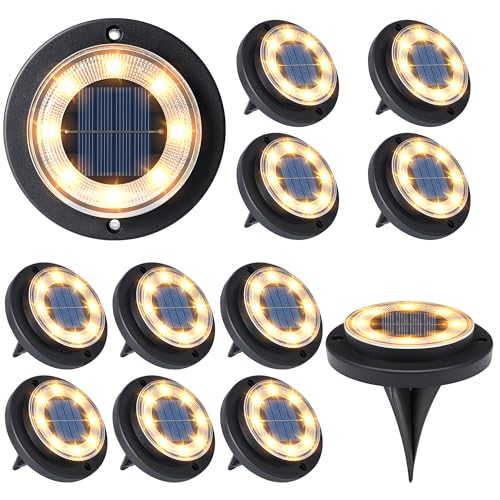
Stake-mounted lights designed to line walkways and garden paths. They typically provide low-level ambient illumination and are available in entry-level to premium tiers. Look for models with sturdy metal stakes and glass or polycarbonate lenses for durability.
Solar Spotlights
Adjustable fixtures that cast a focused beam to highlight trees, architectural features, or signage. Mid-range and high-end spotlights often include multiple brightness settings and can be wall-mounted or staked into the ground.
Solar Wall & Fence Lights
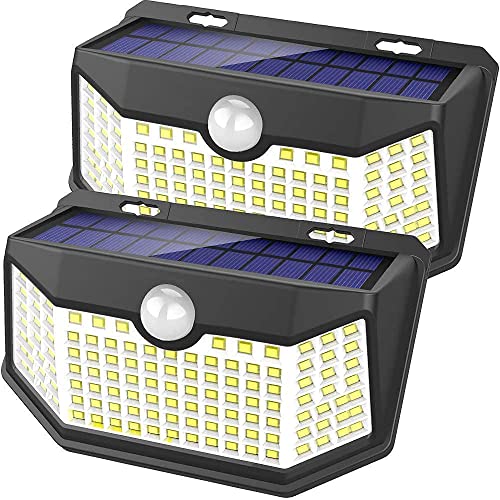
Mounted on walls, fences, or posts to provide security and accent lighting. Premium models may feature motion sensors, while budget-friendly options focus on simple dusk-to-dawn operation.
Solar String Lights
Decorative lights for patios, pergolas, and outdoor dining areas. These are ideal for ambiance rather than security and are available in a wide range of styles, from vintage bulbs to fairy lights.
Solar Flood Lights
High-output fixtures designed for security and wide-area illumination. High-end flood lights often include motion detection and dual brightness modes for maximum efficiency.
Solar Deck & Step Lights
Low-profile fixtures that mount flush to decking or steps. They improve safety by illuminating trip hazards and are especially useful around pools and stairways.
Key Components Explained
To make an informed decision, it helps to understand what goes into a solar outdoor light. The quality of each component directly affects performance, lifespan, and overall value.
Solar Panel
The solar panel converts sunlight into electricity. Most outdoor solar lights use monocrystalline or polycrystalline panels. Monocrystalline panels are more efficient and perform better in low-light conditions, making them common in premium and high-end fixtures. Panel size matters too—larger panels charge faster and support brighter output.
Battery
The battery stores energy for nighttime use. Lithium-ion batteries are now standard in mid-range and premium models due to their longer lifespan, better cold-weather performance, and lighter weight. Entry-level lights may use NiMH batteries, which are more affordable but tend to degrade faster.
LED Bulb
LEDs are the standard light source in solar fixtures because they consume very little power. The quality of the LED determines brightness, color temperature, and lifespan. Look for fixtures with warm white (2700K–3000K) LEDs for a cozy ambiance or cool white (5000K–6000K) for security-focused applications.
Photocell Sensor
The photocell (or dusk-to-dawn sensor) automatically turns the light on at dusk and off at dawn. This is a standard feature on most outdoor solar lights and ensures the fixture operates only when needed, conserving battery power.
Housing & Weatherproofing
The housing protects internal components from rain, dust, and UV exposure. Look for an IP65 rating or higher for reliable outdoor performance. Premium models often use metal housings (stainless steel or aluminum) with sealed battery compartments, while entry-level lights may use plastic that can become brittle over time.
| Component | Entry-Level | Mid-Range | Premium / High-End |
|---|---|---|---|
| Solar Panel | Small polycrystalline | Standard monocrystalline | High-efficiency monocrystalline |
| Battery | NiMH, basic capacity | Lithium-ion, moderate capacity | High-capacity lithium-ion |
| Housing | Plastic, basic IP rating | ABS or metal, IP65 | Aluminum or stainless steel, IP65+ |
| Features | Dusk-to-dawn only | Dusk-to-dawn, multiple modes | Motion sensor, smart controls |
How to Choose the Right Lights
With so many options available, narrowing down your choice can feel overwhelming. Use the following framework to make a confident decision based on your specific needs.
1. Define the Purpose
Are you lighting a pathway for safety, creating ambiance on a patio, or improving security around a dark corner? Pathway lights prioritize even, low-level illumination, while spotlights and flood lights are better suited for accent and security. Decorative string lights are ideal for social areas where ambiance matters more than brightness.
2. Consider Sun Exposure
Solar lights need direct sunlight to charge effectively. Before purchasing, observe how much sun your intended location receives. Areas with six to eight hours of direct sun are ideal. For shaded areas, choose fixtures with larger panels or high-efficiency monocrystalline cells, and consider detachable panels that can be positioned in a sunnier spot.
💡 Placement Tip: If your garden path is shaded by trees, look for solar lights with remote panels connected by a cable. This allows you to place the panel in full sun while keeping the light fixture where you need it.
3. Match Brightness to the Task
Brightness is measured in lumens. Entry-level pathway lights typically produce 10–50 lumens, which is sufficient for marking a path. Mid-range spotlights may offer 100–300 lumens, while high-end security flood lights can exceed 500 lumens. Choose a brightness level that suits the application without overwhelming the space.
4. Prioritize Build Quality
Outdoor fixtures face rain, wind, UV exposure, and temperature swings. Invest in models with metal housings and a high IP rating for longevity. While entry-level plastic fixtures can work for temporary or decorative purposes, premium metal fixtures are a better long-term investment for permanent installations.
5. Plan for Battery Replacement
Even the best solar lights will eventually need a battery replacement. Choose models with user-replaceable batteries rather than sealed units. Lithium-ion batteries in mid-range and premium fixtures typically last two to three years before needing replacement, while the LED bulb itself can last much longer.
Installation & Placement Tips
One of the biggest advantages of solar outdoor lights is how easy they are to install. Most stake lights require no tools at all—simply push the stake into the ground. Wall and fence lights usually come with mounting hardware and can be installed with a drill and screwdriver.
Installation Best Practices:
• Position panels facing south: In the northern hemisphere, south-facing panels receive the most sunlight throughout the day.
• Avoid shaded spots: Keep panels away from tree canopies, fences, and building overhangs that cast shadows.
• Space evenly: For pathway lighting, space fixtures evenly (typically 6–10 feet apart) for a balanced look.
• Test before permanent mounting: At dusk, check that each light activates and produces the expected brightness before finalizing placement.
• Keep panels clean: Dust and debris reduce charging efficiency, so wipe panels periodically.
For string lights and decorative fixtures, plan the layout before hanging. Use cup hooks or adhesive clips designed for outdoor use, and ensure the solar panel is positioned where it will receive direct sun. If you are lighting a pergola or gazebo, consider a detachable panel that can be mounted on the roof while the lights hang below.
Maintenance & Troubleshooting
Solar outdoor lights are low maintenance, but a few simple habits will keep them performing at their best year after year.
Regular Cleaning
Wipe the solar panel with a damp cloth every few weeks to remove dust, pollen, and bird droppings. A clean panel can increase charging efficiency significantly, especially in dry or dusty climates.
Battery Care
If your lights dim or stop working after a year or two, the battery is likely the culprit. Replace it with a battery of the same voltage and chemistry as the original. Avoid leaving batteries in extreme heat or cold for extended periods, as this accelerates degradation.
Seasonal Adjustments
In winter, shorter days and lower sun angles reduce charging. You may notice shorter runtimes, which is normal. If possible, reposition panels to capture more low-angle sunlight, and clear snow or ice from panels after storms.
🔧 Troubleshooting Checklist:
• Light not turning on: Check that the panel is in direct sun and the switch is set to "auto" or "on."
• Dim light: Clean the panel and check the battery voltage; replace if below the recommended level.
• Light turning on during the day: The photocell may be obstructed or faulty; clean the sensor area.
• Short runtime: The battery may be reaching the end of its life, or the panel may not be receiving enough sun.