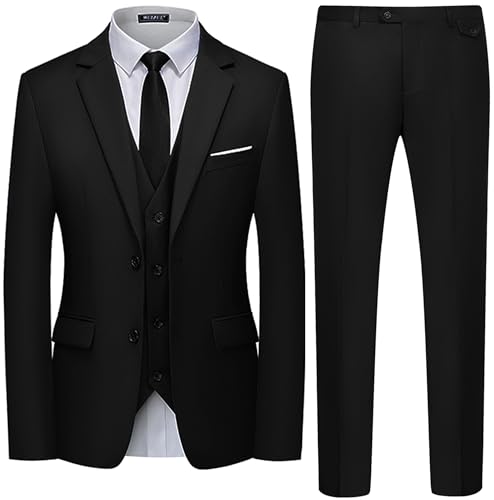
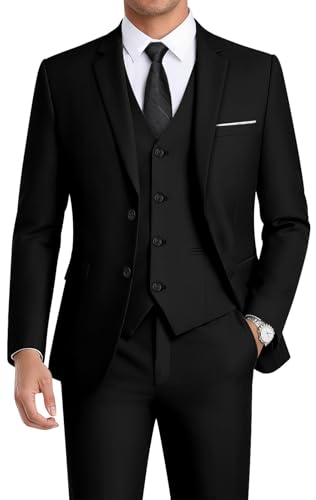
The Man in the Wedding Suit: A Complete Guide
"From fit and fabric to accessories and etiquette—everything a man needs to look impeccable on the big day."
The man in the wedding suit is just as important as the bride in her gown. While the bride's dress often gets the majority of attention, the groom, groomsmen, and male guests all play a vital role in the overall aesthetic of the wedding. A well-fitted suit can elevate a man's confidence and presence, ensuring he looks his absolute best in every photograph.
Unfortunately, many men treat their wedding suit as an afterthought—renting something ill-fitting at the last minute or wearing a suit they already own that doesn't quite match the formality of the event. This guide will walk you through everything you need to know about men's wedding attire, from understanding dress codes to selecting the perfect accessories.
Suit vs. Tuxedo: What's the Difference?
One of the first questions a man asks when planning his wedding attire is whether he needs a suit or a tuxedo. While they may look similar at a glance, there are distinct differences that affect formality and appropriateness.
The Key Distinction: A tuxedo is a specific type of formal suit characterized by satin or grosgrain lapels, a formal shirt with studs instead of buttons, and typically a bow tie. A standard suit has regular buttons, standard lapels, and is worn with a necktie. Tuxedos are reserved for black-tie or formal evening weddings, while suits are appropriate for semi-formal, cocktail, or daytime ceremonies.
If the wedding invitation specifies "Black Tie," a tuxedo is non-negotiable. If it says "Black Tie Optional," you can wear either a tuxedo or a dark formal suit—both are acceptable. For "Cocktail" or "Semi-Formal" dress codes, a well-tailored suit is the correct choice.
For more detailed guidance on what to wear based on the dress code, see our guides on black-tie attire for men and men's semi-formal wedding attire.
Choosing the Right Color & Fabric
The color of your suit sets the tone for your entire look. While there are no absolutely forbidden colors, some choices are more versatile and appropriate than others.
The Most Versatile Suit Colors
- Navy Blue: The single most versatile color for a man's wedding suit. It flatters almost every skin tone, works in every season, and photographs beautifully. Navy is appropriate for semi-formal through formal weddings.
- Charcoal Grey: Slightly more formal than navy, charcoal grey is an excellent choice for evening weddings and fall/winter ceremonies. It pairs well with almost any accent color.
- Medium Grey: Lighter and more casual than charcoal, medium grey is perfect for daytime, spring, and summer weddings. It looks particularly sharp with brown shoes and accessories.
- Tan or Beige: Ideal for beach weddings, destination ceremonies, and outdoor summer events. These lighter shades keep the wearer cool and look effortlessly elegant in natural light.
Fabric Considerations
Fabric choice depends heavily on the season and climate. For summer weddings, lightweight wool, linen, or cotton blends are ideal. For fall and winter, heavier wool, flannel, or tweed provide warmth and structure. Year-round, a high-quality wool suit is the safest and most durable option.
The Fit Guide: How a Suit Should Fit
Even an expensive suit looks cheap if it doesn't fit properly. Fit is the single most important factor in how a man looks in his wedding suit. Here is what to look for:
- Shoulders: The shoulder seams of the jacket should align exactly with the ends of your natural shoulders. If they extend past, the jacket is too big. If they sit inside, it's too small.
- Chest: You should be able to comfortably button the jacket without the fabric pulling across your chest. The lapels should lie flat against your chest.
- Sleeves: The jacket sleeve should end at the wrist bone, allowing about half an inch of shirt cuff to show. Sleeves that cover the hands or stop mid-forearm are incorrect.
- Jacket Length: The bottom of the jacket should fall at the middle of your buttocks, roughly where your fingers end when your arms hang naturally at your sides.
- Trousers: The waist should sit comfortably without a belt (suspenders are optional). The hem should break slightly on the shoe—either a "half break" or "no break" for a modern look.
💡 Pro Tip: Always buy or rent a suit that fits your largest measurement and have it tailored down. Tailoring is relatively inexpensive and makes an enormous difference. A mid-range suit that has been expertly tailored will always look better than a high-end suit worn off the rack.
Groom vs. Groomsmen: Who Wears What
One of the most common questions about men's wedding attire is how to differentiate the groom from his groomsmen. While traditionally the groom and groomsmen wore identical suits, modern weddings allow for more flexibility.
Here are the most popular approaches:
- Identical Suits, Different Accessories: The groom and groomsmen wear the same suit, but the groom wears a different tie, pocket square, or boutonniere. This is the most traditional and cohesive approach.
- Different Shade: The groom wears a slightly different shade of the same color family—for example, the groom in navy and groomsmen in lighter blue. This creates visual hierarchy while maintaining cohesion.
- Different Fabric or Texture: The groom might wear a velvet jacket or a subtle pattern while groomsmen wear solid wool. This works well for winter or formal weddings.
- Completely Different: In very casual or themed weddings, the groom and groomsmen may wear entirely different outfits. This is less common but can work for rustic or bohemian celebrations.
For more detailed guidance on coordinating groomsmen attire, see our guide on matching groomsmen attire and groomsmen attire etiquette.
Essential Accessories for Men
The right accessories can transform a good suit into a great one. Here are the essential accessories every man should consider for a wedding:
Ties and Bow Ties
The tie is the most prominent accessory. For formal weddings, a silk tie in a solid color or subtle pattern is ideal. For black-tie events, a bow tie is required. The tie should complement the suit and the overall wedding color palette, but it doesn't have to match the bridesmaids' dresses exactly.
Pocket Squares
A pocket square adds a touch of polish. It should complement the tie but not match it exactly—a common rule is that the pocket square should pick up a secondary color from the tie or shirt. White linen pocket squares are appropriate for almost any occasion.
Shoes
The shoes complete the look. For most suits, leather oxfords or derbies in black or brown are appropriate. For tuxedos, patent leather oxfords are traditional. For summer or beach weddings, loafers or even dressy sandals may be acceptable. Our guide on groom shoes covers this in more detail.
Other Accessories
- Cufflinks: Essential for French-cuff shirts, which are standard for formal weddings.
- Suspenders or Belt: Choose one or the other, never both. Suspenders are more formal and allow trousers to hang more naturally.
- Watch: A classic dress watch is appropriate. Avoid oversized sports watches with formal attire.
- Boutonniere: A small floral accent on the lapel, usually provided by the florist. The groom's boutonniere is often slightly different from the groomsmen's.
For a complete breakdown of accessories, see our guide on groom accessories.
Wedding Attire by Dress Code
Understanding the dress code is essential to choosing the right suit. Here is a quick reference:
- Black Tie: Tuxedo with bow tie, formal shirt with studs, patent leather shoes. No exceptions.
- Black Tie Optional: Either a tuxedo or a dark formal suit with a tie. Both are acceptable.
- Cocktail: A dark suit—navy, charcoal, or black—with a tie. A tuxedo is not necessary but not inappropriate either.
- Semi-Formal: A suit in any appropriate color, with or without a tie. This is the most flexible dress code.
- Beach or Casual: Lighter fabrics and colors, possibly no tie or jacket. Linen suits are ideal. See our guide on men's wedding attire for beach weddings.
For a deeper dive into specific dress codes, see our articles on black-tie wedding attire and semi-formal to formal wedding attire.