Men's Semi-Formal Attire for Weddings
"Look polished, not overdressed. The definitive guide to nailing the semi-formal dress code as a groom, groomsman, or guest."
Semi-formal is the most common wedding dress code in the United States, yet it is also the most misunderstood. Unlike black-tie, which has rigid rules, semi-formal sits in a flexible middle ground: more polished than smart-casual, but less ceremonial than formal. For men, getting it right comes down to understanding a few key principles about suits, fabrics, and context.
This guide breaks down exactly what to wear to a semi-formal wedding, whether you are the groom, a groomsman, or a guest. By the end, you will know how to build an outfit that photographs well, respects the couple's dress code, and keeps you comfortable from the ceremony through the last dance.
What Semi-Formal Really Means
Semi-formal attire for men means a suit or a tailored jacket with dress trousers. It does not require a tuxedo, tails, or a waistcoat. It does, however, expect a collared shirt, proper dress shoes, and a generally cohesive, intentional look. The goal is to appear dressed up without looking like you are attending a gala.
🔑 The Golden Rule: If you could wear the same outfit to a job interview at a conservative office and to a nice dinner, it likely works for a semi-formal wedding. If it feels closer to a nightclub outfit or a casual Friday, it is too relaxed.
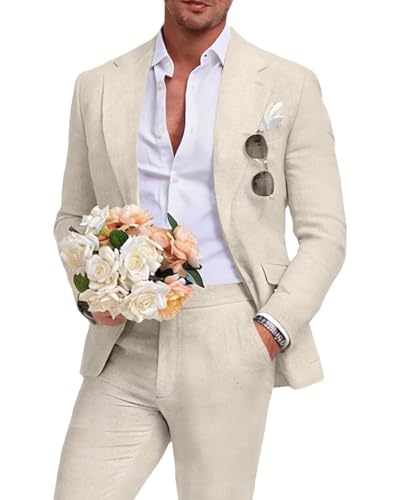
Context matters enormously. A semi-formal wedding at a vineyard in the afternoon calls for lighter fabrics and earth tones. A semi-formal evening wedding in a hotel ballroom invites darker suits and richer textures. Always check the invitation for time of day and venue clues before finalizing your outfit.
If you are planning the wedding yourself and need help communicating the dress code, review our wedding invitation wording guide for phrasing that sets clear expectations without sounding rigid.
Suit vs. Blazer: The Core Decision
The single biggest question men ask about semi-formal wedding attire is whether they need a full suit or whether a blazer is enough. The answer depends on how well the pieces work together.
The Full Suit (Safest Choice)
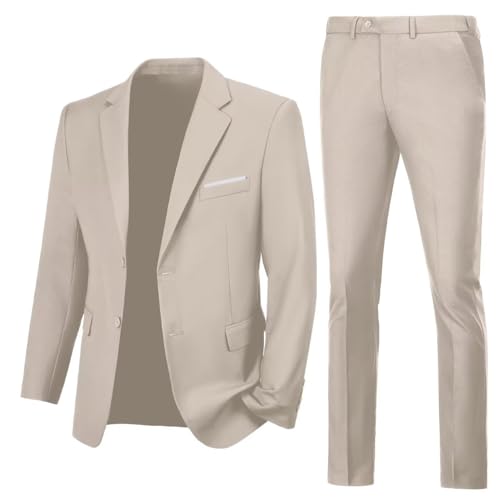
A matching two-piece suit in navy, charcoal, or mid-grey is the most reliable option. It signals effort and respects the formality of the occasion. For semi-formal weddings, avoid three-piece suits, which lean formal, and avoid black, which can read as overly solemn in daylight.
Choose a suit with a clean, simple cut — notch lapels, flap pockets, and a single vent are timeless. A mid-range suit in a breathable wool blend will outperform an entry-level suit in both fit and longevity.
The Blazer + Trousers (Smart Alternative)
A blazer works if it looks deliberate. Pair a navy or textured grey blazer with dress trousers in a complementary tone — not jeans, not casual chinos. The fabric weights should be close; a lightweight summer blazer with heavy flannel trousers will look mismatched.
This approach is ideal for daytime, outdoor, or destination weddings where a full suit may feel stiff. Keep the shirt crisp and the shoes polished to maintain the semi-formal standard.
What to Avoid
Skip anything that reads casual: denim jackets, zip-up bombers, short-sleeve button-downs, and athletic footwear. Also avoid mixing a formal suit jacket with casual trousers — the contrast looks accidental rather than styled.
If you are unsure, a full suit is always the safer bet. You can always remove the jacket during the reception if the atmosphere loosens up.
Fit Beats Brand
An entry-level suit that fits perfectly will always look better than a premium suit that is too tight or too loose. Focus on shoulder fit, sleeve length, and trouser break. A tailor can adjust the waist and hem affordably, turning a mid-tier suit into a sharp, custom-looking outfit.
For grooms who want more guidance on suiting, our wedding suit guide covers fabric, fit, and styling in detail.
Colors and Fabrics That Work
Color is where semi-formal attire becomes expressive. Unlike black-tie, which is essentially monochrome, semi-formal welcomes a range of tones — as long as they remain muted and sophisticated.
Suit Colors
- Navy: The most versatile choice. It works for daytime and evening, indoor and outdoor weddings, and pairs with almost any shirt and tie combination.
- Charcoal and Mid-Grey: Slightly softer than black, these tones read as polished without being severe. Mid-grey is especially good for spring and summer weddings.
- Earth Tones: Olive, taupe, and muted brown work well for rustic, barn, or autumn weddings. Pair them with cream or light blue shirts to keep the look fresh.
- Black: Use with caution. It is better suited to evening events and can look heavy in daylight. If you wear black, balance it with a light shirt and a textured tie.
Fabrics and Seasons
Fabric choice matters as much as color. For warm-weather weddings, look for lightweight wool, linen blends, or tropical wool. These breathe better and drape cleanly without feeling heavy. For cooler months, flannel, tweed, and heavier wool provide warmth and texture.
💡 Seasonal Tip: A mid-tier wool suit in a year-round weight is the most practical investment. It handles most climates and pairs easily with different shirts and accessories, making it a reliable choice for multiple weddings.
If you are attending a beach wedding, the rules shift slightly. Review our guide on men's wedding attire for a beach wedding for fabric and footwear adjustments that keep you comfortable without sacrificing style.
Shirts, Ties, and Accessories
The shirt and tie are where you can add personality without breaking the semi-formal code. A white dress shirt is always correct, but light blue, pale pink, and subtle patterns are equally appropriate and often more interesting.
Shirt Selection
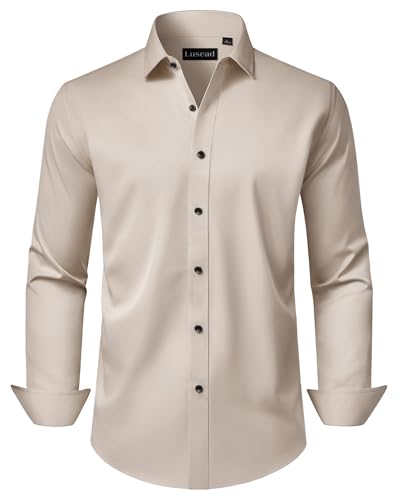
Choose a shirt with a structured collar — spread or semi-spread — that holds its shape under a jacket. Avoid short sleeves, casual button-downs with soft collars, and anything with a visible logo. A crisp cotton poplin or a breathable linen blend works well depending on the season.
Tie or No Tie?
A tie is strongly recommended for semi-formal weddings, especially in the evening. Silk ties in solid colors, subtle stripes, or tonal patterns are safe and stylish. For daytime or outdoor weddings, a linen or cotton tie adds texture without feeling heavy.
If you prefer to skip the tie, make sure the rest of the outfit is sharp: a well-fitted jacket, polished shoes, and a crisp collar. A tie-less look can work for a relaxed semi-formal wedding, but it should look intentional, not like you forgot something.
👔 Pocket Square and Belt: A simple white or cream pocket square adds polish without drawing attention. Match your belt leather to your shoes — brown with brown, black with black. These small details signal that you thought about the outfit as a whole.
Grooms who want to coordinate their look with the wedding party should review our groomsmen attire etiquette guide to balance cohesion with individual style.
Shoes and Finishing Details
Footwear is often the weakest link in an otherwise strong outfit. For semi-formal weddings, leather dress shoes are the standard: oxfords for a sharper look, derbies or loafers for a slightly more relaxed feel.
- Oxfords: The most formal option. Closed lacing gives a clean, streamlined look that pairs well with suits.
- Derbies: Slightly less formal than oxfords, with open lacing. A good choice for blazer-and-trouser combinations.
- Loafers: Best for daytime or outdoor weddings. Choose a leather pair in brown or burgundy, and avoid chunky soles.
Avoid sneakers, sandals, and work boots unless the invitation explicitly says the dress code is casual or creative. Even stylish leather sneakers can look out of place at a semi-formal ceremony.
Socks should match your trousers, not your shoes, to create a continuous line. Dark socks for dark suits, lighter socks for lighter suits. If you want to show personality, choose a subtle pattern rather than a loud color.
Groom vs. Guest: Dress Code Nuances
While the core principles of semi-formal attire apply to everyone, grooms and guests have slightly different considerations.
For the Groom
The groom should be the best-dressed man in the room, but not in a way that feels disconnected from the wedding party. If the groomsmen are wearing navy suits, the groom might choose a slightly different shade or a textured fabric to stand out subtly. Accessories — a pocket watch, cufflinks, or a boutonniere — can add personal meaning without breaking the dress code.
For grooms planning a semi-formal wedding, our wedding planning guide covers timeline, vendor coordination, and style decisions in one place.
For Guests
Guests should aim to look polished without drawing attention away from the couple. A navy or grey suit with a light shirt and a simple tie is always appropriate. Avoid anything too loud, too casual, or too formal — a tuxedo at a semi-formal wedding is as out of place as jeans.
If the wedding is in a destination location or has a specific theme, check the invitation for additional guidance. Our guide on destination wedding etiquette covers dress code considerations for travel weddings.
💡 Quick Checklist for Guests: Suit or blazer + dress trousers, collared shirt, tie (recommended), leather dress shoes, matching belt, and a simple pocket square. That combination works for nearly every semi-formal wedding.
Semi-Formal Wedding Attire FAQs
Final Thought: Semi-formal wedding attire for men is about balance. Dress with intention, choose fabrics and colors that suit the season and venue, and pay attention to fit. When in doubt, a well-tailored navy suit with a crisp shirt and leather shoes will always be the right answer.