The Ultimate Wedding Suit Guide for Grooms
"Look sharp, feel confident. Discover how to choose, fit, and style the perfect suit for your big day without overspending."
Your wedding suit is more than just clothing—it is a statement of your personal style and a reflection of the occasion's formality. While the focus is often on the bride, grooms deserve to look and feel their absolute best. The challenge? Finding a high-quality suit that fits perfectly, matches the wedding theme, and doesn't require a luxury budget.
Whether you are planning a black-tie gala or a relaxed beach ceremony, this guide will walk you through every decision. From understanding fabric weaves to mastering the art of fit, you will learn exactly what to look for. For a complete overview of wedding planning, start with our wedding planning resource hub.
Buy vs. Rent: The Smart Choice
💡 The WeddingClever Advice: Renting a suit often costs a significant portion of the purchase price and limits your alterations. Buying a well-constructed suit—especially a mid-range or premium model—gives you a tailored fit that rentals cannot match. You also get to keep it for future events, making it a far better investment.
Rental suits are typically made from durable, heavy fabrics designed to withstand repeated wear and cleaning. They often have a boxy, generic cut. When you buy wedding suits for men, you gain control over the fabric, the fit, and the details. A savvy strategy is to purchase a classic suit and have it tailored. This approach ensures you look impeccable and can re-wear the suit for years to come.
Suit vs. Tuxedo: What's the Difference?
This is one of the most common questions grooms face. The answer lies in the details and the formality of the event.
The Classic Suit
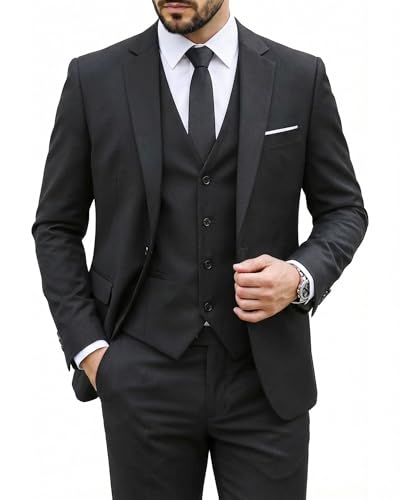
Characterized by buttons that match the fabric and a simpler lapel. A suit is incredibly versatile. It is the perfect choice for daytime weddings, semi-formal events, beach ceremonies, and rustic venues. A well-tailored men's semi-formal wedding attire suit in navy or charcoal is a timeless option.
The Formal Tuxedo
Defined by satin or grosgrain facing on the lapels and buttons, and often a satin stripe down the trouser leg. A tuxedo is reserved for evening events and black-tie weddings. If your invitation specifies black-tie, a tuxedo is the only appropriate choice. Learn more in our guide to black-tie attire for men.
Choosing Your Style & Fabric
The fabric of your suit dictates its comfort, seasonality, and overall look. For a wedding, you want a fabric that breathes well and drapes beautifully.
Fabric Fundamentals
- Wool: The gold standard. It is breathable, wrinkle-resistant, and versatile. Tropical weight wool is ideal for summer or destination weddings.
- Linen: Perfect for beach or outdoor summer weddings. It has a natural, textured look but wrinkles easily—which is part of its charm.
- Tweed: A rustic, textured fabric perfect for fall or winter weddings and barn venues.
- Blends: Wool-silk or wool-mohair blends offer a subtle sheen and a luxurious feel, great for premium or luxury tier suits.
Style Tip: Consider the venue. A lightweight wool suit is perfect for a garden party, while a heavier tweed or flannel suit suits a winter celebration. For a formal ballroom event, a premium wool tuxedo is your best bet.
Jacket Details That Matter
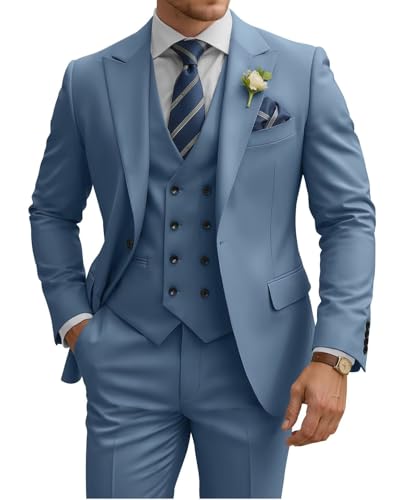
- Lapels: Notch lapels are versatile and common on suits. Peak lapels are more formal and add a touch of drama, often found on tuxedos and double-breasted suits. Shawl lapels are the most formal, typically seen on tuxedos.
- Vents: A single vent is standard on most suits. Side vents offer more freedom of movement and a cleaner silhouette. A ventless jacket is a sleek, modern choice but can be restrictive.
- Buttons: A two-button jacket is the most universally flattering. A one-button jacket is a formal, modern style. Always leave the bottom button undone.
The Importance of Fit
No matter how much you spend, a poorly fitted suit will look cheap. Fit is the single most important factor in looking great. When trying on a suit, pay attention to these key areas:
The Golden Rules of Fit:
• Shoulders: The jacket's shoulder seam should end at the edge of your shoulder bone. This is the one area a tailor cannot easily fix.
• Chest: You should be able to comfortably button the jacket without the fabric pulling at the button. The lapels should lay flat against your chest.
• Sleeves: The jacket sleeve should end at your wrist bone, allowing about half an inch of your shirt cuff to show.
• Trousers: The hem should have a slight break (a crease) at the top of your shoe. They should not pool around your ankles.
If you are buying online, always consult the retailer's size guide and measure yourself carefully. If you are between sizes, size up and visit a tailor. Taking a suit in is a simple alteration, but letting it out is often impossible. For more insights on dressing for specific events, explore our guide on men's wedding attire for a beach wedding.
Color Guide for Grooms
The color of your suit sets the tone for the entire wedding party. Here are the most popular and versatile choices:
- Navy Blue: The most versatile and universally flattering color. It works for every season and venue, from a formal ballroom to a casual backyard. It is the ultimate investment piece.
- Charcoal Grey: A sophisticated, slightly softer alternative to black. It is incredibly elegant for formal and semi-formal weddings alike.
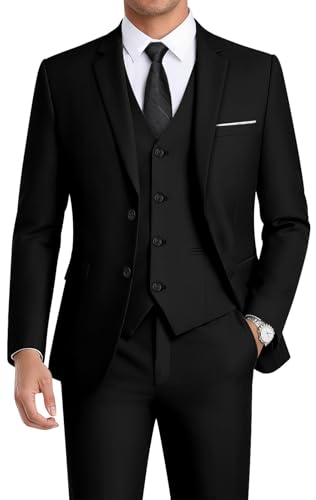
- Black: The classic choice for formal and black-tie weddings. A well-fitted black suit is a timeless staple.
- Mid-Grey or Light Grey: Perfect for daytime, summer, and outdoor weddings. Lighter grey suits are incredibly photogenic and look fresh.
- Tan or Beige: Ideal for beach, garden, and rustic weddings. These colors are relaxed and pair beautifully with natural decor.
Coordination Tip: Ensure your suit complements the bridal party's color palette. You don't have to match exactly—often, a subtle contrast is more stylish. A navy suit with groomsmen in lighter grey or tan is a classic combination.
Accessories & Finishing Touches
The right accessories can elevate a good suit to a great one. Here are the essentials:
- Tie or Bow Tie: A classic silk tie is versatile and elegant. A bow tie adds a touch of vintage formality. Choose a color that complements your suit and the wedding theme.
- Pocket Square: A pocket square is a simple way to add personality. A white linen square is a timeless, safe choice. For a pop of color, choose a square that echoes the boutonniere or bridesmaid dresses.
- Cufflinks: If your shirt has French cuffs, cufflinks are a must. They can be a subtle personal touch or a statement piece.
- Shoes: Leather oxfords or derby shoes are the most versatile choices. For a formal look, choose a polished cap-toe oxford. For a more relaxed vibe, a loafer or monk-strap shoe works well. Check out our wedding shoes guide for more options.
- Watch: A classic, understated dress watch is a great accessory. Avoid overly sporty or digital watches.
For the father of the bride, choosing the right suit is equally important. Our guide to wedding suits for father of the bride offers specific advice for their role. And don't forget the ring! Complete your look with a wedding ring for men and women that matches your personal style.