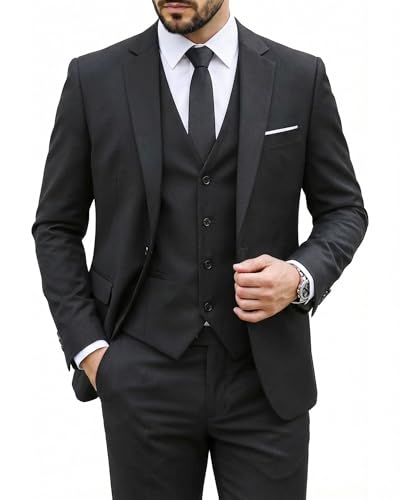
Wedding Suits for the Father of the Bride
"The man who walks her down the aisle deserves to look as distinguished as the moment demands. Here's how to dress him for the role."
Your daughter's wedding day is one of the most photographed and emotionally significant moments of your life. As the father of the bride, you'll be in countless family portraits, the walk down the aisle, and the father-daughter dance. Your attire should reflect the gravity and joy of the occasion—and, frankly, you should feel exceptional in it.
Yet many fathers leave their outfit to the last minute, grabbing whatever is in the closet or renting something generic. This guide will walk you through everything you need to know about choosing wedding suits for men, from decoding dress codes to nailing the fit, so you can step into the day with confidence and style.
His Role & Why the Suit Matters
Traditionally, the father of the bride is a host, a protector, and a proud witness. He often participates in the procession, gives a speech or toast, and shares a dance. He is in nearly every formal photograph alongside the couple and the wedding party.
Why It Matters: The father of the bride's suit should signal respect for the occasion without overshadowing the groom. It needs to coordinate with the wedding's color palette, the formality of the event, and the time of day—while still allowing his personal style to shine through subtly.
If you're still in the early stages of planning, our wedding planning guide can help you understand the broader timeline and where attire decisions fit in. For a comprehensive checklist, see our wedding planning checklist.
Decoding the Dress Code
The single most important factor in choosing a father of the bride suit is the wedding's dress code. Here's how to interpret the most common codes:
Black Tie / Formal
A tuxedo with a formal white shirt, black bow tie, and patent leather shoes. For black-tie optional, a dark suit with a formal tie is acceptable. The father of the bride should lean toward the more formal end of the spectrum. Learn more about black-tie attire for men.
Cocktail / Semi-Formal
A well-tailored suit in navy, charcoal, or mid-grey. A tie is expected but can be a bit more relaxed—perhaps a textured silk or a subtle pattern. See our guide to men's semi-formal wedding attire for details.
Beach / Casual
Lighter fabrics like linen or cotton blends in tan, light grey, or even soft blue. A tie is optional, and loafers or dress sandals may be appropriate. Check our tips on men's wedding attire for a beach wedding.
Seasonal & Themed
For a winter wedding, consider flannel or heavier wool in deep tones. For a rustic or barn wedding, tweed or a textured wool suit in earth tones works beautifully. Always confirm with the couple before committing to a theme.
💡 Pro Tip: When in doubt, ask the couple or the wedding planner. It's far better to clarify than to show up in a tuxedo at a casual garden party—or vice versa. If you're curious about the planner's role, see wedding planner vs. coordinator.
Classic & Timeless Suit Styles
Some looks never go out of style. For the father of the bride who wants to look distinguished and appropriate for any formal occasion, these are the gold standards:
The Navy Blue Suit
Navy is the most versatile color in a man's wardrobe. It's flattering on nearly every skin tone, photographs beautifully, and transitions seamlessly from day to evening. A mid-range navy suit in a worsted wool is a workhorse—pair it with a crisp white shirt and a burgundy or silver-grey tie for a timeless look.
The Charcoal Grey Suit
Slightly softer than black but equally formal, charcoal grey is an excellent choice for evening weddings and winter ceremonies. It pairs exquisitely with a white or pale blue shirt and a patterned tie. For a premium look, consider a suit with a subtle texture or a faint windowpane check.
The Midnight Blue Tuxedo
For black-tie weddings, a midnight blue tuxedo with black satin lapels is a sophisticated alternative to standard black. It's subtly distinctive and looks incredibly rich under evening light. This is a luxury-tier option that will serve him for years of formal events.
If you're exploring wedding suits for men more broadly, our dedicated guide covers additional styles and fabrics.
Modern & Contemporary Looks
For fathers who want to look current without being trendy, there are several stylish options that feel fresh and confident:
- The Slim-Fit Suit: A slimmer cut through the waist and leg creates a modern, streamlined silhouette. It's not about being tight—it's about being tailored. This works best on leaner builds.
- The Three-Piece Suit: Adding a waistcoat elevates the formality and adds a layer of polish. It's particularly striking for winter weddings or evening ceremonies.
- The Textured Suit: Fabrics like tweed, flannel, or a wool-silk blend add visual interest without loud patterns. These are perfect for rustic or outdoor weddings and pair well with a knit tie or a pocket square.
- The Colored Suit: For a bold father of the bride, a deep burgundy, forest green, or even a rich brown suit can be stunning—provided it harmonizes with the wedding palette. This is a high-risk, high-reward choice best discussed with the couple.
Formality Note: A three-piece suit or a textured fabric can bridge the gap between semi-formal and formal. If the wedding falls somewhere in between, see our guide to semi-formal to formal wedding attire for clarity.
Seasonal Fabric & Color Choices
The time of year should influence both the fabric weight and the color of the suit. Here's a quick reference:
Spring & Summer Weddings
Opt for lighter fabrics: tropical wool, linen, or cotton blends. Colors can be lighter too—mid-grey, tan, sage, or a soft blue. A mid-range linen suit in a light shade is ideal for a garden or beach ceremony. Pair with loafers and skip the tie if the dress code allows.
Fall & Winter Weddings
Heavier fabrics like flannel, tweed, or a wool-cashmere blend provide warmth and a rich texture. Deep colors—charcoal, navy, burgundy, forest green—feel appropriately seasonal. A three-piece suit in a textured wool is a standout choice for a winter formal wedding. For more seasonal inspiration, see our winter wedding decor ideas (the palette often informs attire).
For a fall wedding, our wedding colors for a fall wedding guide can help you understand the color palette the couple may be using—useful for coordinating your suit and accessories.
The Fit Guide: Tailoring Essentials
No matter how much you spend, fit is the single most important factor in how a suit looks. A well-tailored entry-level suit will always outperform an ill-fitting premium one. Here's what to check:
Jacket Fit
- Shoulders: The shoulder seams should sit exactly at the edge of your natural shoulders—no drooping, no pinching.
- Chest: You should be able to button the jacket comfortably with a flat hand's width of space between your chest and the fabric.
- Length: The jacket should cover your seat and end around the middle of your backside. The sleeve should end at your wrist bone, allowing about half an inch of shirt cuff to show.
- Vents: Single vent is classic; double vents are more modern and allow easier movement. No vent is the most formal.
Trouser Fit
- Waist: The trousers should sit at your natural waist (just below the navel) and stay there without a belt. If they slip, they're too loose.
- Rise: A mid-rise is standard; a higher rise is more traditional and flattering for many body types.
- Break: The hem should just touch the top of your shoe with a slight crease. A "slight break" is modern; a "full break" is traditional.
- Leg line: Straight or slightly tapered. Avoid excessive fabric pooling at the ankle.
💡 Tailoring Tip: Always buy a suit that fits your largest measurement (usually the chest or shoulders) and have the rest tailored down. Alterations are relatively inexpensive and make a dramatic difference. For a deeper dive into choosing and fitting suits, see our wedding suit guide.
Accessories & Coordination
The right accessories can elevate a suit from "nice" to "exceptional." Here's what to consider:
Tie & Pocket Square
A silk tie in a complementary color or subtle pattern is essential for formal and semi-formal weddings. The pocket square should complement—not match exactly—the tie. A white linen pocket square is always correct. For a more relaxed look, a knit tie adds texture without formality.
Shoes
Oxfords are the most formal; derbies are slightly less so and very versatile. Loafers work well for semi-formal and summer weddings. Match your shoe leather to your belt. For a deep dive into men's footwear, see our guide to groom shoes (the principles apply equally to the father of the bride).
Coordination with the Wedding Party
The father of the bride should coordinate with—but not match—the groomsmen. If the groomsmen are in navy, the father might wear charcoal or a slightly different shade of blue. If the groomsmen are in grey, he might wear navy. The goal is harmony, not uniformity. The groom's attire will often set the tone; see wedding suits for men for context.
Etiquette Note: It's tradition for the bride's family to cover the cost of the father's attire, but this varies. For a broader look at who pays for what, see who pays for what. And if you're curious about the groom's side, our groomsmen attire etiquette guide is helpful.
If the wedding includes a rehearsal dinner, the father of the bride may need a second outfit. See our wedding rehearsal dinner guide for style suggestions.
Father of the Bride Suit FAQs
Final Thought: The father of the bride's suit is more than just clothing—it's a statement of pride, love, and respect for the moment. Invest in fit, choose a timeless color, and coordinate thoughtfully with the couple. If you're still in the planning phase, our wedding planning sites and wedding planner to-do list can help you stay organized. And for the bride's mother, don't miss our guides to mother of the bride suits plus size and elegant mother of the bride outfits.