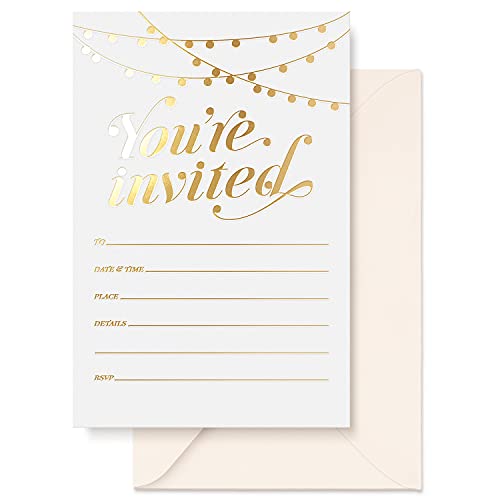
Invitation Cards: The First Impression of Your Wedding
"Your invitation is more than just paper—it's the first glimpse your guests get of your wedding's style and tone."
Your wedding invitation is the very first tangible piece of your wedding that guests will experience. Long before they see the venue or taste the cake, they will hold your invitation card in their hands. It sets the expectation for the formality, style, and personality of your celebration. A beautifully designed invitation signals to guests that this is a special, thoughtfully planned event.
Beyond aesthetics, your invitation card serves a critical logistical purpose. It provides all the essential details your guests need: who, what, when, and where. Getting this right ensures a smooth RSVP process and helps guests plan their attendance. This guide will walk you through everything you need to know, from choosing a design to perfecting your invitation for wedding wording.
Why Your Invitation Card Sets the Tone
Think of your invitation suite as the "trailer" for your wedding day. A formal, gold-foil invitation on heavy cardstock tells guests to expect a black-tie affair. A playful, illustrated design on recycled paper signals a relaxed, rustic celebration. The design, paper weight, and typography all communicate your wedding's style before a single guest arrives.
💡 The WeddingClever Tip: Order a few extra invitation cards. You will inevitably need to send one to a guest you forgot, a vendor, or your photographer. It also serves as a beautiful keepsake for your wedding album. Having spares saves you from the stress of reordering later.
Your invitation also sets the tone for the guest experience. A clear, well-organized invitation suite that includes an RSVP card and a details card makes it easy for guests to respond and plan their trip. This reduces the number of questions you'll have to field later, allowing you to focus on other aspects of wedding planning.
Popular Design Styles & Aesthetics
The design of your invitation card should reflect the overall aesthetic of your wedding. Here are some of the most popular styles trending in US weddings, ranging from entry-level simplicity to luxury elegance.
Minimalist & Modern
Clean lines, ample white space, and simple sans-serif fonts. This style is perfect for modern minimalist weddings. It often uses a single accent color or metallic foil.
- Best for: Modern venues, urban lofts, art galleries
- Tier: Entry-level to mid-range
Classic & Traditional
Elegant serif fonts, symmetrical layouts, and timeless motifs like borders or monograms. This is the quintessential formal invitation style.
- Best for: Ballrooms, country clubs, church ceremonies
- Tier: Mid-range to premium
Rustic & Botanical
Watercolor florals, kraft paper, and hand-drawn illustrations of leaves or greenery. This style is a natural fit for rustic wedding decor and barn venues.
- Best for: Barns, vineyards, outdoor garden parties
- Tier: Budget-friendly to mid-tier
Luxury & Ornate
Letterpress printing, foil stamping, silk ribbons, and heavyweight cotton paper. These cards are a tactile experience and make a statement of high-end elegance.
- Best for: Black-tie affairs, luxury hotels, grand estates
- Tier: Premium to luxury
When choosing a style, consider the season and venue of your wedding. A fall wedding might inspire warm, earthy tones and leaf motifs, while a summer beach wedding calls for airy, light designs. The invitation is your first chance to visually communicate this theme.
Wording & Etiquette Essentials
Wording your invitation can feel like a minefield of tradition and modern expectations. The good news is that today, the rules are more flexible than ever. The most important thing is clarity and consistency with the tone of your event. For a deep dive, you can explore our full guide on wedding invitation wording.
Who is Hosting?
The traditional opening line names the hosts. If your parents are hosting (paying for the wedding), their names go at the top. If you and your partner are hosting together, you can use a modern phrasing like "Together with their families, [Your Names] invite you to..." This sets the tone for the entire invitation.
The Core Details
Regardless of style, every invitation must clearly state:
- Who: The full names of the couple getting married.
- What: A request for the pleasure of their company at the marriage/celebration.
- When: The day of the week, date, and time (e.g., "Saturday, the nineteenth of August, two thousand twenty-six at four o'clock in the afternoon").
- Where: The full name and address of the ceremony venue.
Including RSVP Details: Always include an RSVP card and a pre-addressed, stamped envelope for traditional mail responses. For a more modern and eco-friendly approach, you can direct guests to an online RSVP system via your wedding website. Make sure the RSVP deadline is clearly stated, typically 3-4 weeks before the wedding.
For other events surrounding the wedding, like a bridal shower, you'll need separate invitations for bridal shower events. These can be coordinated in style with the main wedding invitation but should be sent separately by the host of that event.
DIY vs. Professional Printing
One of the biggest decisions you'll make is whether to create your invitations yourself or hire a professional. Both paths have distinct advantages, and your choice will depend on your budget, timeline, and desire for creative control.
DIY Invitations: This route is ideal for couples who want to personalize every detail and manage their stationery budget. With today's design tools, you can make a invitation free using online templates. You can then print them at home on a high-quality printer or take them to a local print shop. The main trade-off is your time and effort, especially for assembly (cutting, gluing, stuffing envelopes).
Professional Printing: Hiring a stationer or using a professional online printing service takes the stress out of the process. They handle the design, printing, and sometimes even the addressing and mailing. This is the best choice for intricate designs, specialty printing techniques like letterpress or foil stamping, and for couples with limited time. The trade-off is a higher cost, but the result is a flawless, high-end product.
💡 A Smart Hybrid Approach: Many couples design their invitation cards themselves using online tools or templates, and then send the final digital file to a professional printer for high-quality output. This gives you creative control and a professional finish, often at a mid-range cost.
What to Include in Your Invitation Suite
Your main invitation card is just one piece of the puzzle. A complete "invitation suite" ensures your guests have all the information they need. While the exact contents vary, a typical suite includes:
- Main Invitation Card: The core who, what, when, and where.
- RSVP Card: A response card with a stamped, self-addressed envelope, or a card directing guests to an online RSVP link.
- Details Card: Additional information like hotel room blocks, directions, dress code, and wedding website URL.
- Reception Card: If the reception is at a different location than the ceremony, include a separate card with those details.
If you are planning a smaller, more intimate gathering, you might be wondering what to include for a small wedding. Even for a micro-wedding, a well-designed invitation suite is appreciated. You can simplify by combining the details onto one card, but always include the RSVP mechanism.
Don't forget about other important stationery items like save the date cards for wedding planning, which are sent 6-12 months in advance. And for the big day itself, a guest book for wedding is a wonderful way to collect memories and well-wishes from your attendees. The invitation is just the beginning of your wedding's stationery story.