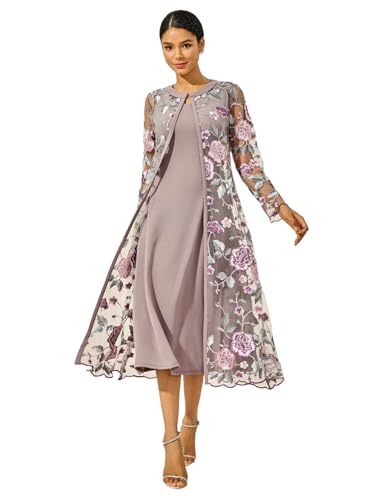
Formal Wedding Attire for Ladies: The Complete Elegance Guide
"Master the formal dress code with confidence. From floor-length gowns to refined accessories, discover exactly what to wear so you look effortlessly elegant."
Receiving a wedding invitation with the words "formal attire" can feel both exciting and intimidating. Unlike casual or semi-formal weddings where almost anything goes, a formal wedding asks you to step into a world of refined elegance. The good news is that formal wedding attire for ladies is far more forgiving than black-tie, and with a few clear guidelines, you can choose an outfit that feels polished, appropriate, and genuinely comfortable.
Whether you are attending a grand ballroom reception, a garden ceremony, or an evening celebration, this guide breaks down everything you need to know. You will learn how to decode the dress code, which fabrics and silhouettes photograph beautifully, and how to accessorize like a stylist. If you are still exploring broader wardrobe options, our guide to dresses for wedding guests offers a helpful starting point before narrowing down to formal choices.
Understanding the Formal Dress Code
Formal wedding attire sits just below black-tie on the dress code spectrum. It signals that the couple expects guests to dress elegantly, but it does not require the strict uniformity of a tuxedo or a floor-length evening gown with gloves. In practice, formal attire for ladies means a polished, sophisticated look that respects the occasion without feeling theatrical.
The most reliable interpretation of formal attire is a floor-length gown or an elevated midi dress. Fabrics should look luxurious—think silk, satin, chiffon, crepe, or velvet—and the overall silhouette should be structured rather than relaxed. If you have ever wondered about the distinction between semi-formal to formal wedding attire, the key difference is the level of refinement: formal leans toward longer hemlines and richer materials, while semi-formal allows more casual ease.
Quick Definition: Formal wedding attire for ladies typically means a floor-length gown or a sophisticated midi dress in a refined fabric, paired with elegant heels and understated jewelry. When the invitation says "formal," think timeless and polished rather than trendy and casual.
It is also worth noting that formal dress codes vary by region and season. An evening formal wedding in a city hotel calls for deeper tones and richer fabrics, while a daytime formal garden wedding may welcome lighter colors and flowing silhouettes. Reading the invitation carefully—and checking the venue and time of day—will always guide you toward the right choice.
Gown Length & Silhouette Guide
The length of your dress is the single most important factor in formal wedding attire. While midi dresses can work for certain formal events, a floor-length gown is the safest and most classic choice. Below are the most flattering silhouettes for formal weddings, each suited to different body types and personal styles.
The A-Line Gown
The most universally flattering silhouette. An A-line gown is fitted at the bodice and flares gently from the waist, creating an elegant hourglass effect. It works beautifully for formal weddings and suits almost every body type. If you are browsing plus-size A-line dresses, this silhouette is a reliable starting point.
The Column Gown
A sleek, straight-cut gown that follows the natural line of the body. Column gowns feel modern and sophisticated, making them ideal for contemporary formal weddings. They photograph beautifully in minimalist settings and pair well with statement jewelry.
The Mermaid Gown
Fitted through the bodice and hips, then flaring dramatically at the knee. This silhouette is glamorous and dramatic, perfect for evening formal weddings and black-tie-optional events. It requires confidence but delivers unforgettable elegance.
The Midi Dress
A midi dress that falls below the knee but above the ankle can work for formal weddings if the fabric and styling are elevated. Choose structured materials like satin or crepe and pair with refined heels. Our collection of midi long sleeve dresses for wedding guests shows how to style this length elegantly.
Beyond length, consider the neckline and sleeve details. Off-the-shoulder necklines are romantic and timeless, and they work particularly well for formal evening weddings. If you prefer sleeves, look for long-sleeve gowns in lightweight fabrics that provide coverage without feeling heavy. Our guide to off-the-shoulder dresses for weddings explores how this neckline can elevate a formal look.
Choosing the Right Fabrics & Colors
Fabric is what separates a formal outfit from a casual one. Even a floor-length dress can look informal if it is made from cotton or jersey. For formal weddings, prioritize fabrics with a natural sheen, weight, and drape.
- Silk and satin — luminous, luxurious, and photographs beautifully
- Chiffon — flowing and romantic, ideal for layered gowns
- Crepe — structured and modern, perfect for column silhouettes
- Velvet — rich and dramatic, best for fall and winter formal weddings
- Taffeta — crisp and architectural, great for A-line gowns
- Lace overlays — add texture and timeless elegance
Color choices for formal weddings are broad but should always respect the couple. Avoid white, ivory, and cream, which are reserved for the bride. Deep jewel tones—emerald, sapphire, burgundy, and plum—are classic formal choices. Navy and black are always appropriate for evening weddings. For daytime formal events, muted pastels and soft neutrals feel fresh and elegant.
Styling Tip: If you are attending a winter formal wedding, consider a long-sleeve gown in a deep tone like burgundy or forest green. Our guide to dresses with long sleeves for wedding guests offers inspiration for staying warm without sacrificing elegance.
Accessories, Shoes & Jewelry
Accessories are where formal attire truly comes together. The goal is to complement your gown, not compete with it. Choose one or two statement pieces and keep the rest understated.
Shoes
Elegant heels are the standard for formal weddings. Strappy sandals, pointed-toe pumps, and block heels all work well. Choose a heel height you can comfortably walk and stand in for several hours. If the venue has a garden or lawn, consider block heels or elegant wedges to avoid sinking into the grass.
Jewelry
Formal weddings call for refined jewelry. A pair of drop earrings, a delicate bracelet, or a single statement ring can elevate your look. Avoid overly chunky or casual pieces. If your gown has a detailed neckline, skip the necklace and let the dress speak for itself.
Bags & Wraps
A small clutch or evening bag is the most appropriate choice. It should hold only essentials—phone, lipstick, and a card. For cooler evenings, a silk wrap, pashmina, or tailored bolero adds warmth without compromising elegance.
Hair & Makeup
Formal wedding hair and makeup should feel polished but natural. A sleek updo, soft waves, or a elegant half-up style all work beautifully. Our guides to updos for the wedding party and half-up half-down bridal hairstyles offer inspiration you can adapt for a guest look.
Formal vs. Black-Tie: Key Differences
Many guests confuse formal attire with black-tie attire. While they overlap, they are not identical. Understanding the distinction will help you choose confidently.
Black-tie is the most formal dress code and typically requires a floor-length evening gown in a dark or jewel tone, often with more dramatic styling. Formal attire is slightly more flexible: a floor-length gown is ideal, but an elegant midi dress can work in some contexts. If the invitation specifies "black-tie optional," you can choose either a formal gown or a very polished cocktail dress. Our guide to black-tie optional wedding guest dresses breaks down this hybrid code in detail.
Remember: When the dress code is ambiguous, it is always better to be slightly overdressed than underdressed. A formal gown never looks out of place at a wedding, but a casual dress at a formal event will feel uncomfortable for everyone.
For a deeper dive into the most elevated dress code, our article on black-tie wedding attire for ladies covers gown styles, fabrics, and accessories in greater detail. If you are attending a black-tie wedding in a cooler season, you may also find our guide to black-tie wedding guest dresses for winter helpful.
Common Mistakes to Avoid
Even well-dressed guests can make small missteps. Here are the most common mistakes to avoid when dressing for a formal wedding:
- Wearing white or ivory — reserved for the bride, always
- Choosing casual fabrics — cotton, jersey, and linen look out of place
- Over-accessorizing — too much jewelry competes with the gown
- Ignoring the venue — heels on grass or a floor-length gown on sand can be impractical
- Forgetting a wrap — evening venues can be cool, especially outdoors
- Wearing overly short hemlines — formal weddings call for longer lengths
One final consideration: comfort matters. A formal wedding often involves several hours of standing, walking, and celebrating. Choose a gown you can move in and shoes you can wear confidently. Elegance and comfort are not mutually exclusive—the best-dressed guests are the ones who feel at ease.
If you are still building your wedding guest wardrobe, exploring a range of wedding guest dresses can help you compare silhouettes and fabrics. And if you are attending multiple events, our guide to floor-length gowns for wedding guests offers versatile options that work across formal occasions.