Black Tie Optional Wedding Guest Dresses
"The dress code that gives you freedom—and a few important rules. Here is exactly what to wear."
You open the invitation and see the words: Black Tie Optional. For many wedding guests, this is simultaneously a relief and a source of confusion. Does it mean you can wear anything? Does it mean you must wear a gown? The answer sits somewhere in the middle—and getting it right is easier than you think.
Black tie optional is one of the most flexible formal dress codes, but it still has boundaries. This guide walks you through exactly what works, what does not, and how to choose a dress that makes you feel confident and appropriate for the occasion. If you are also curious about the broader black tie optional dress code, we have a dedicated guide for that as well.
What Black Tie Optional Really Means
Black tie optional signals that the couple wants an elegant, formal celebration—but they are not going to turn you away if you do not own a tuxedo or a floor-length gown. It is a step below true black tie, but it is still firmly in formal territory.
For women, this means you have two excellent choices:
- Option A: A floor-length gown in an elegant fabric. This is the safest, most traditional choice.
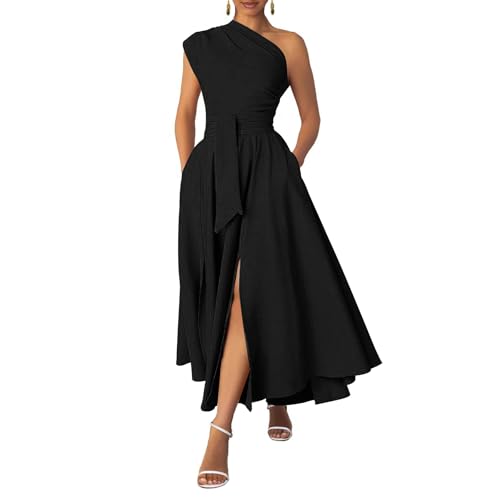
- Option B: A formal cocktail or midi dress in a luxurious material. This works if the dress feels elevated and intentional.
Key takeaway: Black tie optional is not casual, semi-formal, or business attire. It is formal. The word "optional" refers to the level of formality you choose within the formal range, not permission to dress down.
If you are comparing this to other dress codes, it helps to understand where it sits. It is more formal than semi-formal attire but less rigid than full black tie wedding guest dress requirements.
Floor-Length Gowns: The Gold Standard
If you want to be absolutely certain you are dressed correctly, choose a floor-length gown. This is the most traditional and universally accepted choice for black tie optional weddings. It shows respect for the formality of the event and photographs beautifully.
Column & Sheath Gowns
A sleek, straight silhouette that skims the body. Ideal for modern, minimalist weddings and black-tie events at art galleries or urban venues. Works beautifully in satin, crepe, or velvet.
A-Line & Ball Gowns
A classic, universally flattering shape. A-line gowns are elegant without being overwhelming, while ball gowns make a statement for the most formal celebrations. Perfect for traditional ballrooms and grand estates.
Mermaid & Trumpet Gowns
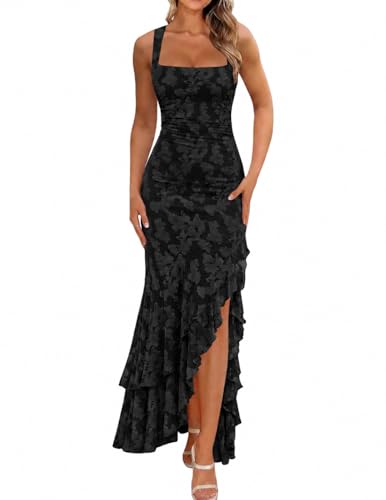
Fitted through the bodice and hips, then flaring at the knee. A glamorous choice for evening weddings. Best in structured fabrics like mikado or duchess satin.
Empire Waist Gowns
An elevated waistline just below the bust, creating a flowing, romantic silhouette. Comfortable and elegant, especially for pregnant guests or those who prefer a softer look.
💡 Styling Tip: A floor-length gown does not have to be boring. Look for interesting details like a draped back, a subtle slit, or an embellished bodice to add personality while staying formal.
Elegant Midi & Tea-Length Options
Not everyone wants to wear a floor-length gown—and that is perfectly fine for black tie optional. A midi or tea-length dress can work beautifully if it is formal enough. The key is the fabric, the cut, and the overall polish of the look.
What makes a midi dress appropriate for black tie optional?
- Luxurious fabric: Silk, satin, velvet, crepe, or brocade. Avoid cotton, jersey, or casual blends.
- Structured silhouette: A defined waist, a fitted bodice, or a tailored cut. Avoid loose, beachy, or bohemian shapes.
- Elevated details: Beading, embroidery, a dramatic sleeve, or an interesting neckline.
- Formal styling: Pair with elegant heels, a refined clutch, and polished jewelry.
If you are considering a shorter dress, a tea-length gown is often a better choice than a standard cocktail dress because the longer hemline feels more formal.
Fabrics That Elevate Your Look
The fabric of your dress is one of the strongest signals of formality. Even a simple silhouette can look stunning in the right material—and a beautiful design can fall flat in a casual fabric.
Silk & Satin
The quintessential formal fabrics. Silk has a natural luster and drape that feels luxurious. Satin is smooth, glossy, and photographs beautifully. Both are ideal for evening weddings.
Velvet
Rich, opulent, and perfect for fall and winter black tie optional weddings. Velvet adds depth and texture, making even a simple dress feel special.
Crepe & Chiffon
Crepe is matte, structured, and modern—ideal for minimalist formal looks. Chiffon is soft, flowing, and romantic, perfect for draped or layered gowns.
Brocade & Jacquard
Textured, woven fabrics with subtle patterns. These add visual interest without being loud. Excellent for winter weddings and vintage-inspired celebrations.
What to avoid: Cotton, denim, jersey knit, linen, and casual synthetics. These fabrics read as daytime or casual and will look out of place at a formal event.
Colors & Prints That Work
Black tie optional gives you more color freedom than strict black tie, but there are still guidelines worth following.
Best Color Choices
- Jewel tones: Emerald, sapphire, ruby, amethyst. Rich and elegant, especially for evening weddings.
- Deep neutrals: Navy, charcoal, burgundy, forest green. Sophisticated and timeless.
- Elegant pastels: Dusty rose, sage, blush, lavender. Perfect for spring and summer formal weddings.
- Black: Always appropriate for formal events, especially evening celebrations. A black dress is a safe and stylish choice.
Colors to Avoid
- White, ivory, or cream: These are reserved for the bride. Even a dress with a white background and a floral print can be risky.
- Neon or overly bright colors: They can feel distracting and out of place at a formal event.
- Overly casual prints: Large florals, novelty patterns, or beachy prints may look too relaxed.
Accessories, Shoes & Outerwear
Your accessories complete the look. For black tie optional, think polished and intentional—not casual or overly trendy.
Jewelry
Statement earrings, a delicate necklace, or a sparkling bracelet can elevate a simple gown. If your dress has a lot of detail, keep jewelry minimal. If your dress is sleek and plain, go bolder with accessories.
Shoes
Elegant heels are the standard. Strappy sandals, classic pumps, or embellished heels all work. If you are worried about comfort, a low block heel in a formal material is a practical choice. Avoid casual flats, sneakers, or anything that feels too daytime.
Bags
A small clutch or evening bag is ideal. Avoid large totes or crossbody bags—they detract from the formality of your outfit.
Outerwear
If the wedding is in cooler months, choose a wrap, shawl, or elegant coat. A faux fur stole or a cashmere wrap adds warmth without compromising style. Avoid casual jackets or puffer coats.
💡 Practical Tip: If the ceremony is outdoors or the venue is chilly, bring a wrap that complements your dress. It keeps you comfortable and looks effortlessly elegant in photos.
Common Mistakes to Avoid
Even well-intentioned guests can misstep. Here are the most common mistakes to avoid when dressing for a black tie optional wedding:
- Wearing white or ivory: This is the number one rule. Do not wear anything that could be mistaken for bridal.
- Dressing too casually: Jeans, sundresses, and casual cocktail dresses are not appropriate. This is a formal event.
- Over-accessorizing: Too much jewelry, a loud bag, and statement shoes can compete with each other. Choose one focal point.
- Ignoring the venue: A formal gown at a beach venue may look out of place. Consider the location and time of day.
- Forgetting about comfort: You will be standing, sitting, and possibly dancing. Choose a dress and shoes you can move in.
If you are still unsure, it is always better to err on the side of being slightly overdressed. It shows respect for the couple and the occasion. For more guidance on formal wedding attire, explore our guide to formal wedding guest dresses.