Dresses for Wedding Guests: The Complete Style Guide
“The right dress is the one you forget about—because you are too busy celebrating. Here is how to find it.”
Choosing a dress for a wedding should be fun—but between cryptic dress codes, venue quirks, and the fear of overdressing (or worse, underdressing), it often feels like a puzzle. Whether you are attending a black-tie ballroom gala or a relaxed garden ceremony, the right dress strikes a balance between wedding etiquette, comfort, and personal style. This guide breaks down every scenario so you can walk in feeling confident and stay comfortable through the last dance.
Decoding Every Wedding Dress Code
Dress codes are the fastest shortcut to getting it right. Most invitations state one explicitly—but many do not. Use the venue, time of day, and the couple’s style as your clues, then match them to the tiers below.
Casual / Garden Party
Think bright, breezy, and approachable. A sundress, a midi in a cheerful print, or a relaxed wrap dress works beautifully. Flat sandals or wedges keep you comfortable on grass. Avoid anything overly structured or embellished—this tier is about ease. If you are unsure, semi-formal wedding guest dresses bridge the gap gracefully.
Cocktail / Semi-Formal
The most common wedding dress code—and the most forgiving. Knee-length or midi dresses in elevated fabrics like crepe or satin are ideal. A cocktail dress or a polished midi long-sleeve dress hits the sweet spot. Heels or dressy flats, a clutch, and simple jewelry complete the look.
Formal / Black-Tie Optional
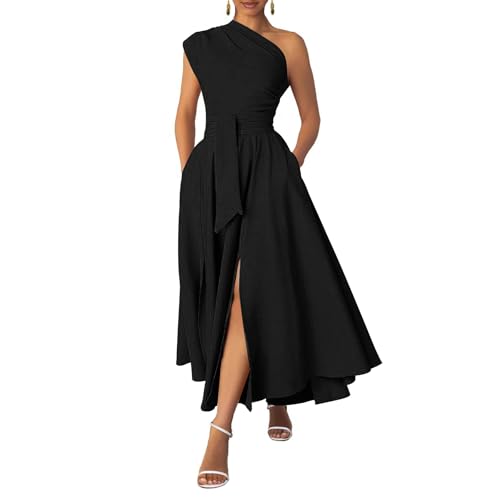
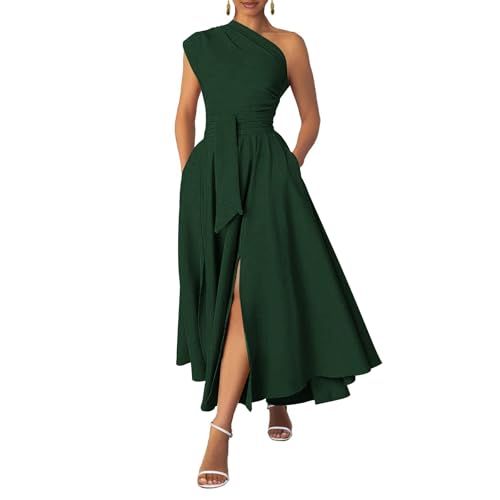
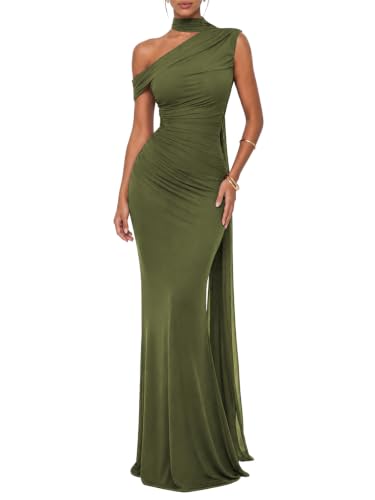
Floor-length gowns or elevated midis in rich fabrics. A floor-length gown is always safe, but a sophisticated black-tie optional look can also be a dramatic midi with statement jewelry. This is where formal wedding attire for ladies really shines—structured silhouettes, deep colors, and refined accessories.
Black Tie / White Tie
Full-length gowns, luxe fabrics, and elevated accessories. Think satin, silk, or velvet in jewel tones or classic black. For winter ceremonies, a black-tie winter guest dress in a heavier fabric with sleeves is both practical and elegant. If the invitation says black tie, do not shy away from glamour—this tier rewards it.
💡 When the Invitation Is Silent: Look at the time and venue. Before 4 p.m. at a garden or beach venue → casual or semi-formal. After 5 p.m. at a hotel or ballroom → formal or black-tie optional. A church ceremony followed by an evening reception almost always calls for at least cocktail attire.
Silhouettes for Every Body Type
The best dress is the one that fits you—not the other way around. Instead of chasing trends, start with the silhouette that flatters your shape and makes you feel at ease. A dress you have to tug at all night is never the right choice.
- Pear Shape (Hips Wider Than Shoulders) An A-line silhouette is your best friend—it skims the hips and creates balance. Plus-size A-line dresses are especially flattering, and a tea-length gown offers elegant coverage. Look for structured bodices and defined waists.
- Apple Shape (Broader Shoulders, Softer Waist) Empire waists and wrap dresses draw the eye upward and skim the midsection. A off-the-shoulder dress adds a beautiful neckline frame. Choose fluid fabrics that drape rather than cling.
- Hourglass Celebrate your waist with fitted bodices and defined waists. A knee-length cocktail dress or a fitted midi with a subtle flare works beautifully. Wrap styles and belted dresses are natural allies.
- Rectangle / Athletic Create curves with ruffles, peplums, or belted waists. A plus-size guest dress with strategic gathering adds dimension. Fit-and-flare silhouettes are especially flattering here.
- Petite Shorter hemlines and monochromatic looks elongate the frame. A knee-length dress keeps proportions balanced. Avoid overwhelming prints or excessive fabric volume.
- Tall You can carry dramatic silhouettes, maxi lengths, and bold prints with ease. A floor-length dress is a natural choice, and column silhouettes look especially elegant.
For a deeper dive into specific occasions, see our guides to dresses to wear to a wedding as a guest and beach wedding guest dresses.
Fabrics: What Works and What Doesn’t
The fabric determines not just how a dress looks, but how it feels after four hours of ceremony, dinner, and dancing. Choose wisely.
Excellent choices: Crepe (structured, wrinkle-resistant, universally flattering), satin (luxurious sheen for formal events), chiffon (light and flowing for warm weather), and ponte knit (comfortable and polished for semi-formal settings).
Proceed with caution: Linen wrinkles quickly—fine for a casual outdoor ceremony, risky for a formal evening. Very thin jersey can cling where you do not want it to. Heavy beading looks stunning but can be uncomfortable for long ceremonies.
📌 The Comfort Test: Before buying, sit down, walk a few steps, and raise your arms in the dressing room. If the dress restricts any of these movements, it will be a long night. Wedding receptions involve sitting, standing, dancing, and hugging—your dress needs to handle all four.
Colors & Prints (and What to Avoid)
Color is where most wedding guest anxiety lives. The rules are simpler than they seem.
Never wear white, ivory, or cream. These are reserved for the bride. This applies to full-white dresses, but also to dresses so pale they photograph as white. If you are unsure whether a shade is too close, choose something else—there are thousands of other colors.
Beyond white, the rules are about respect, not restriction. Avoid the bridal party’s chosen color if you know it (you do not want to be mistaken for a bridesmaid). Black is perfectly acceptable for evening and formal weddings—see our guide to the black dress for wedding guests. For daytime events, lighter and brighter colors feel more appropriate.
Universally flattering colors: Navy, burgundy, emerald, dusty blue, sage green, and blush. Prints are welcome at casual and semi-formal weddings—florals for spring and summer, deeper tones for fall and winter. For a summer celebration, browse summer wedding guest dresses; for cooler months, see fall wedding guest dresses and winter wedding guest dresses.
Seasonal Dress Selection
Spring Weddings
Light fabrics, floral prints, and pastel or garden-inspired palettes. A spring wedding guest dress in chiffon or crepe works beautifully. Bring a light wrap for evening ceremonies.
Summer Weddings
Breathable fabrics and lighter colors. Sleeveless and short-sleeve styles are welcome. For outdoor ceremonies, a summer guest dress in cotton or chiffon keeps you cool. Avoid heavy satins and dark colors that absorb heat.
Fall Weddings
Rich jewel tones and mid-weight fabrics. A fall guest dress in burgundy, emerald, or mustard feels seasonal and elegant. Sleeves and midi lengths come into their own.
Winter Weddings
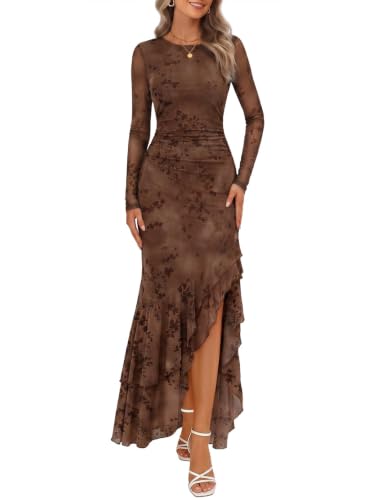
Velvet, heavier crepe, and long sleeves. A winter guest dress in a deep tone with sleeves or a wrap is both practical and polished. Long-sleeve guest dresses are a winter staple.
For black-tie events in warm weather, see summer black-tie guest dresses; for colder months, see winter black-tie guest dresses. Curvy figures can find tailored guidance in black-tie dresses for curvy figures and black-tie guest dresses with sleeves.
Guest Etiquette: The Unwritten Rules
Beyond the dress code, a few unwritten rules keep you comfortably within bounds.
- Do not outshine the bride. Avoid anything overly revealing, heavily beaded, or attention-grabbing in a way that pulls focus from the couple. Elegance is always in style.
- Respect the venue. A church ceremony may call for covered shoulders or a modest hemline. Beach ceremonies call for shoes that work on sand. Check the venue type before finalizing your look.
- Think about photos. You will be in group photos, and those photos will last forever. Choose a dress that photographs well—solid colors and subtle prints usually read better than busy patterns.
- Comfort is etiquette. A guest who is visibly uncomfortable distracts from the celebration. Choose shoes you can walk in and a dress you can move in.
- When in doubt, ask. If the dress code is genuinely unclear, it is perfectly acceptable to ask the couple or a member of the wedding party. A quick text saves a night of anxiety.
For more on guest behavior and expectations, see our wedding etiquette guide and traditional wedding etiquette resources.
Pre-Wedding Checklist
Before the big day, run through this quick checklist to avoid last-minute stress.
- Confirm the dress code from the invitation or wedding website
- Try the full outfit on—dress, shoes, undergarments—at least one week before
- Check the dress in natural light to confirm the color photographs correctly
- Break in your shoes or bring a backup pair of flats
- Pack a small emergency kit (see our wedding emergency kits guide)
- Bring a wrap or jacket for evening temperature drops
- Confirm the venue’s terrain—grass, sand, or cobblestone affects shoe choice